
















Unveiling Amman: A Traveler’s Guide to Jordan’s Enchanting Capital
Discovering the Heart of Jordan
Situated between the ancient deserts and rolling hills of Jordan, Amman stands as a vibrant testament to the country’s rich history and modern aspirations. As the capital city, Amman weaves together a tapestry of past and present, both of which invite travelers to engage with its multifaceted culture. From Roman ruins to bustling souks, the city’s charm resonates through every corner. Whether you’re a history enthusiast, a foodie, or someone who seeks adventure, Amman promises an assortment of experiences that cater to all tastes and preferences.
The Historical Tapestry of Amman
Amman’s history stretches back thousands of years, serving as a critical junction for various civilizations, including the Romans, Byzantines, and Ottomans. The remnants of this storied past are evident throughout the city. The Citadel, one of the oldest continuously inhabited places in the world, dominates the skyline with its ancient ruins and offers breathtaking views of the modern city. Visitors can walk among columns that once stood tall in Roman temples, explore the Umayyad and Byzantine structures, and stand in awe of the stunning panorama that includes the iconic dome of the King Abdullah Mosque, a symbol of Jordan’s Islamic heritage[^1].
In contrast, the Roman Theatre, built in the second century AD, showcases Amman’s historical significance as a cultural hub. This impressive amphitheater, with a capacity of about 6,000 spectators, is both a relic and a venue for contemporary performances, proving that the past continues to play a vital role in the city’s life. Meanwhile, the Jordan Museum brings the nation’s history to life through captivating exhibits. Here, visitors can immerse themselves in the archaeological treasures that highlight Jordan’s long-standing significance in the region[^2].
The Modern Pulse of Amman
While Amman’s history is compelling, the modern aspects of the city are equally captivating. In recent years, Amman has emerged as a center of art, technology, and innovation, with thriving cultural districts such as Jabal Al Weibdeh. The area buzzes with contemporary art galleries, boutique cafés, and local markets. Artists and entrepreneurs are increasingly drawn to Amman, contributing to a burgeoning creative landscape that reflects both local and global influences. Street art is another medium through which the city’s youth express their identities, with vibrant murals adorning walls throughout the city[^3].
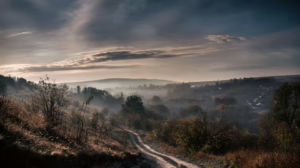
Amman is also a city of contrasts. Within a short drive, visitors can transition from the bustling urban environment to serene natural landscapes. For those seeking outdoor activities, the nearby hills provide ample opportunities for hiking and exploration. Residents and travelers alike enjoy the unique blend of urban and natural experiences that define Amman’s character.
Culinary Discoveries Await
One cannot discuss Amman without indulging in its culinary delights. Jordanian cuisine is a splendid amalgamation of flavors and traditions, making it a must-try for any visitor. From street food stalls serving shawarma and falafel to upscale restaurants offering gourmet twists on traditional dishes, Amman’s dining scene caters to all appetites. Must-try dishes include mansaf, the national dish made of lamb, rice, and fermented yogurt, and mezze, a variety of small plates perfect for sharing.
Traditional markets such as Al-Balad are ideal for food lovers seeking authentic Jordanian flavors[^4]. Here, you can sample fresh produce, spices, and artisanal products, all while soaking in the vibrant atmosphere. Additionally, local cafés provide a cozy haven to enjoy a cup of Arabic coffee or mint tea as you take a moment to reflect on the day’s adventures.
Embracing Local Culture
No visit to Amman would be complete without engaging in its cultural experiences. The city hosts various festivals, events, and performances year-round, showcasing Jordanian music, dance, and theater. The Jerash Festival of Culture and Arts, held in the nearby ancient city of Jerash, is a major highlight, featuring local and international performances in a stunning historic setting. Visitors can enjoy the spectacle of traditional folk dances, music, and theatrical shows that invite them to appreciate the depth and diversity of Jordanian culture[^5].
For those interested in the crafts and traditions of the region, Amman also offers workshops and classes where you can learn to create pottery, textiles, or even engage in traditional cooking classes. These immersive experiences not only allow travelers to take home a piece of Jordan but also foster meaningful connections with local artisans and cultural bearers.
Exploring Amman’s Neighborhoods
Amman is made up of diverse neighborhoods, each with its unique character and charm. Exploring these areas allows visitors to gain a more profound understanding of the city’s culture. The historic district of Al-Balad, with its narrow streets and bustling bazaars, is an excellent starting point for those looking to immerse themselves in local traditions and contemporary life. Meanwhile, the upscale neighborhoods of Abdoun and Sweifieh brim with modern amenities, designer boutiques, and lively nightlife, catering to a more cosmopolitan crowd.
The artistic community in Jabal Al Weibdeh not only boasts galleries but also offers hip cafés that serve as social hubs for creative minds. The contrasting environments of these neighborhoods illustrate the seamless blend of tradition and modernity that characterizes Amman[^6].
Navigating Amman: Practical Tips for Travelers
-
Getting Around: Amman’s public transportation includes buses, taxis, and ride-sharing services that make intra-city travel convenient. However, for those eager to explore beyond the city limits or head to attractions like Petra and the Dead Sea, car rentals or organized tours are recommended.
-
Local Etiquette: Jordan is known for its hospitality, so it’s essential to respect local customs. Dress modestly, especially when visiting religious sites, and learn a few Arabic phrases to enhance your interactions with locals[^7].
-
Safety and Health: Jordan is generally safe for tourists, but it’s wise to stay informed about local news and follow travel advisories. Drinking bottled water is advisable, and travelers should ensure they have travel insurance.
-
Best Times to Visit: The ideal time to visit Amman is during the spring and fall months when the weather is mild. Summer can be scorching, while winters can be chilly, but even during these times, Amman’s charm remains intact.
-
Currency and Costs: The Jordanian dinar (JOD) is the currency here, and while prices vary, Amman generally offers affordable options for both accommodations and dining[^8].
Conclusion: The Allure of Amman Awaits
In unveiling Amman, travelers will discover that it is more than just a capital city; it is a vibrant, living entity filled with stories, flavors, and experiences waiting to be explored. From its historical depths to contemporary lifestyles, Amman captures the essence of Jordan and its people’s resilience and creativity. Visitors leave with memories of warm smiles, delicious meals, and a newfound appreciation for the intricate tapestry that makes Amman a captivating destination.
Whether you’re wandering through the ancient ruins, savoring local dishes, or engaging with the friendly locals, Amman offers a journey that resonates deeply. As you explore this enchanting capital, you’re not just witnessing a city; you’re partaking in an ongoing narrative that interweaves history, culture, and the spirit of a nation poised for the future. Embrace the magic of Amman — your adventure begins here.
[^1]: The Citadel, located in the heart of Amman, features ancient structures that date back to Roman and Islamic periods.
[^2]: The Jordan Museum provides insights into the archaeological history of Jordan, making it a must-visit.
[^3]: Jabal Al Weibdeh is known for its burgeoning art scene and creative expressions through street art.
[^4]: Al-Balad, the historic center of Amman, offers local culinary experiences that reflect traditional Jordanian culture.
[^5]: The Jerash Festival celebrates Jordanian arts and culture, featuring performances in one of the world’s best-preserved Roman cities.
[^6]: Each neighborhood in Amman presents its own flavor, from bustling markets to modern shopping experiences.
[^7]: Understanding local customs enhances the travel experience and fosters connections with the local people.
[^8]: Travelers should familiarize themselves with the local currency for budget planning and transactions.
This sample introduction and section outlines the essence of Amman, its cultural richness, and travel tips for a memorable visit. If you need additional sections or specific areas expanded, please let me know!







Add Comment