













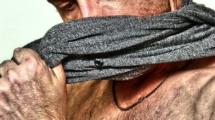


Trapped in Dreamland: Understanding the Mysteries of Sleep Paralysis
The Enigmatic Nature of Sleep Paralysis
Sleep paralysis is a phenomenon that has perplexed individuals for centuries. It occurs during the transition between sleep and wakefulness, leaving individuals temporarily unable to move or speak. Many report vivid hallucinations during these episodes, contributing to the mystery and fear surrounding the experience. This article delves into the intricacies of sleep paralysis, exploring its causes, effects, and cultural significance. We aim to demystify this nighttime enigma and provide insights into managing the unsettling experience.
In exploring the nature of sleep paralysis, one must understand the physiological and psychological components involved. Sleep has various stages, from light to deep sleep, marked by distinct brain wave patterns. Sleep paralysis typically occurs during REM (rapid eye movement) sleep when the brain is highly active, yet the body remains immobilized to prevent acting out dreams. This paralysis is a natural mechanism that protects individuals from potential harm, but when it occurs upon waking or falling asleep, it can lead to terrifying experiences.
Individuals experiencing sleep paralysis often report feeling an oppressive weight on their chest and struggling to breathe, exacerbating the fear. Hallucinations can manifest as shadowy figures or menacing presences in the room, intensifying the sense of dread. Understanding that these experiences are typically benign—though distressing—can help mitigate fear during episodes. The psychological framework of sleep paralysis is complex, involving factors such as stress, sleep deprivation, and irregular sleep patterns. It is crucial to recognize that while sleep paralysis is a common experience, individual responses can vary drastically.
Understanding the cultural implications of sleep paralysis is equally essential. Across various societies, these episodes have been interpreted through different lenses—spiritual, supernatural, or medical. In some cultures, sleep paralysis has been attributed to visits from malevolent spirits or entities, while in others, it is viewed as a manifestation of anxiety or unresolved emotional conflict. By examining these diverse interpretations, we can provide a more comprehensive understanding of sleep paralysis and its impact on individuals and communities.
Root Causes of Sleep Paralysis: Unveiling the Triggers
Understanding the root causes of sleep paralysis is critical for those who experience it. Several factors can trigger episodes, including irregular sleep schedules, sleep deprivation, heightened stress levels, and preexisting sleep disorders like narcolepsy or insomnia. As individuals navigate their daily lives, they may inadvertently introduce elements that contribute to sleep disturbances, leading to the onset of sleep paralysis.
Sleep deprivation is a significant trigger for many. People often lead busy lives, sacrificing sleep for productivity, social engagements, or screen time. This lack of restorative sleep not only affects physical health but also interferes with the body’s natural sleep cycles. As a result, when individuals finally do attempt to sleep, they may enter REM stages too quickly without the necessary foundation of deep sleep, triggering paralysis upon awakening.
Stress and anxiety play pivotal roles in the onset of sleep paralysis as well. Psychological factors such as fear, worry, and emotional turmoil can dominate the subconscious mind, creating an environment ripe for sleep disturbances. Those who experience chronic stress or anxiety may find that episodes of sleep paralysis occur more frequently, illustrating the interconnectedness of mental and physical health. In essence, the state of the mind can significantly influence the quality of sleep, leading to unsettling experiences.
Furthermore, certain lifestyle choices and environmental factors can contribute to the frequency of sleep paralysis episodes. Consuming caffeine or alcohol close to bedtime, irregular sleep patterns, and sleeping in unusual positions can all disrupt the natural progression of sleep, making individuals more susceptible to experiencing paralysis. Being mindful of sleep hygiene and creating a conducive sleeping environment can be beneficial strategies for reducing episodes.
The Twilight Zone: Where Sleep and Wakefulness Collide
Sleep paralysis exists in the intriguing twilight zone between sleep and wakefulness, a state that can feel disorienting and surreal. During these episodes, individuals report a heightened awareness of their surroundings, yet they are unable to move or respond. This paradox creates a unique psychological experience that can be both frightening and fascinating.
Understanding this liminal space—this boundary between consciousness and unconsciousness—can shed light on why sleep paralysis is often accompanied by hallucinations or feelings of dread. The mind is still operating at a level of awareness, capable of processing sensory information, but the body is in a state of temporary immobilization. This disconnection can lead to a sense of vulnerability, as individuals may feel trapped in their own bodies with no means of escape.
Numerous studies have investigated the neurobiology of this phenomenon, uncovering fascinating insights about the workings of the brain during sleep. When sleep paralysis occurs, the brain’s primary motor control pathways are inhibited, preventing movements associated with waking. However, the areas responsible for perception and emotional regulation remain active. This can result in vivid hallucinations—both auditory and visual—manifesting as perceived threats or even interactions with entities.
The time and space distortion experienced during sleep paralysis can also contribute to the sensation of dread. Episodes can feel interminable, with individuals reporting a sense of time stretching beyond the usual limits, even if they last only a few seconds. This temporal disorientation can exacerbate the feelings of helplessness and fear, making those moments seem more intense.
Coping strategies to navigate these ephemeral experiences include staying calm and attempting to focus on relaxing thoughts. Research suggests that acknowledging the experience can alleviate some of the fear associated with it, making it more manageable. Techniques such as controlled breathing or mindfulness meditation may also provide individuals with tools to process and cope during these unsettling moments.
Cultural Interpretations: Legends of the Night
Across cultures, sleep paralysis has been cloaked in mythology, folklore, and various interpretations, providing a glimpse into how different societies understand this perplexing phenomenon. Emblematic of humanity’s struggle to comprehend the unknown, these narratives not only illuminate past fears but also demonstrate the universality of the experience.
In some cultures, sleep paralysis is attributed to malevolent spirits or supernatural occurrences. For example, in Greek mythology, it was thought that the “Incubus” or “Succubus” would press down on sleepers, causing paralysis as they were attacked in the night. Similarly, in the Inuit culture, the “Kushtaka” is believed to be a shape-shifting spirit that preys on individuals, inducing feelings of suffocation and paralysis. These tales reflect a broader human concern with life’s mysteries and uncertainties, attributing experiences to forces beyond our control.
Conversely, many cultures interpret sleep paralysis through a psychological lens. In ancient Chinese medicine, the experience is often linked to unbalanced energies within the body, suggesting that emotional turmoil or unresolved issues may manifest as physical sensations during sleep. This understanding encourages individuals to explore their emotional health comprehensively, bridging the gap between mental and physical states.
Current scientific explorations aim to bridge cultural interpretations with neurological approaches, helping individuals understand that while experiences may vary depending on cultural narratives, the physiological basis remains consistent. While myths and tales serve to explain the unexplainable, modern psychology emphasizes the need for awareness and understanding of the biological functions at play, encouraging effective strategies for individuals experiencing sleep paralysis.
Recognizing the cultural nuances surrounding sleep paralysis can offer individuals a sense of connection and community, normalizing the experience while encouraging exploration into their psychological and physiological makeup. Gathering individual stories from diverse backgrounds can enhance awareness and acceptance, reassessing the narratives surrounding this enigmatic condition.
Facing the Fear: Coping Mechanisms and Strategies
Coping with sleep paralysis can be daunting—but effective strategies can help mitigate the fear and anxiety associated with the experience. Understanding the phenomenon, incorporating practical techniques, and fostering a supportive environment can empower individuals as they navigate this perplexing nighttime occurrence.
Awareness is a fundamental step in managing sleep paralysis. Education about the phenomenon dispels myths and reduces fear associated with the experience. Many find comfort in realizing that sleep paralysis is scientifically recognized and that others share similar experiences. Community support, whether through social media, support groups, or discussions with friends or family, encourages individuals to express their concerns, normalizing the situation and alleviating feelings of isolation.
Practical coping mechanisms play a significant role in managing episodes. Stress-reduction techniques, such as mindfulness meditation, controlled breathing exercises, and progressive muscle relaxation, can help prepare the mind and body for sleep. Creating a relaxing bedtime routine and a conducive sleep environment—cool, dark, and comfortable—can positively influence sleep quality, decreasing the likelihood of experiencing sleep disturbances, including paralysis.
Maintaining a consistent sleep schedule is equally vital. Prioritizing sleep hygiene—such as limiting caffeine and electronic device usage before bedtime, keeping a regular sleep and wake time, and avoiding heavy meals during the evening—creates a favorable atmosphere for restorative sleep. Such practices stabilize circadian rhythms, which may mitigate the onset of sleep paralysis.
Finally, seeking professional help can prove beneficial for those who experience frequent episodes. A healthcare provider knowledgeable about sleep disorders can offer insights into potential underlying issues, allowing for tailored approaches to address both sleep paralysis and overall well-being. Cognitive-behavioral therapy (CBT) might be particularly effective for those whose episodes stem from anxiety or stress. Exploring these coping strategies can empower individuals to face sleep paralysis with confidence and resilience.
The Intersection of Sleep Science and Paranormal Beliefs
The relationship between sleep science and paranormal beliefs is fascinating, as parallel narratives emerge in discussions surrounding sleep paralysis. While scientific investigations delve into the physiological components of the experience, belief systems often contextualize these occurrences within spiritual or paranormal frameworks. Bridging this gap can be an enlightening journey for those seeking a deeper understanding of sleep paralysis.
Sleep scientists study how the brain functions during different stages of sleep, revealing the mechanics behind sleep paralysis. As previously mentioned, episodes commonly occur during REM sleep when the mind is highly active. By focusing on the physiological aspects—the inhibition of nerve signals that control movement—we can explain why individuals find themselves unable to move or speak while awake. This understanding demystifies the experience, positioning it within biological imperatives rather than supernatural phenomena.
However, many people continue to interpret their experiences through the lens of paranormal beliefs. The vivid hallucinations that accompany sleep paralysis often lead individuals to consider supernatural causes, from ghostly apparitions to alien encounters. While these interpretations may seem fantastical, they highlight humanity’s longstanding fascination with the unknown and the need to frame disconcerting experiences with familiar narratives.
For individuals who experience sleep paralysis, it may be helpful to explore both the scientific and supernatural interpretations. Acknowledging the physiological roots offers a rational outlook, while recognizing the psychological aspects can provide comfort and context to their experiences. Online forums and community groups that bridge the gap between science and spirituality can serve as valuable resources, fostering a sense of connection among individuals with shared experiences.
Encouraging open dialogue about these topics allows for a richer understanding of sleep paralysis. By discussing both scientific findings and personal beliefs, individuals can establish a holistic perspective that validates their experiences, easing feelings of fear and isolation.
Seeking Understanding: Sleep Paralysis in the Age of Technology
In the age of technology, our understanding of sleep paralysis is evolving as we harness data and innovation to explore the phenomenon further. Advances in sleep tracking technology, smartphone applications, and sleep studies reveal invaluable insights into sleep patterns, providing clearer perspectives on why sleep paralysis occurs and how individuals can manage it.
Wearable sleep trackers have gained popularity in recent years, offering users information about their sleep patterns, including duration and quality. Data collected through wearables allows users to identify potential triggers for sleep paralysis, empowering them to make informed decisions regarding their sleep habits. Additionally, smartphone applications designed to promote sleep hygiene can guide users through relaxation techniques, enhancing the likelihood of a restful night.
Sleep studies conducted in clinical settings contribute to our understanding of sleep paralysis, presenting concrete data on the phenomenon. Researchers can monitor brain activity, muscle tone, and heart rate during sleep, offering insights into the neurobiological mechanisms involved. These studies help demystify sleep paralysis, reinforcing the notion that it exists within the boundaries of human physiology, not as a supernatural event.
Yet, with technological advancements come new challenges. The omnipresent nature of screens and media can disrupt sleep hygiene, as blue light interferes with melatonin production—resulting in irregular sleep patterns. Increased screen time, social media engagement, and online consumption may exacerbate the stress and anxiety that contribute to sleep disturbances.
To bridge the gap, awareness of technology’s impact on sleep and promoting strategies for mindful use is crucial. Encouraging healthier digital habits—such as implementing designated screen-free periods before bedtime—can enhance overall sleep quality and decrease the likelihood of experiencing sleep paralysis.
By acknowledging the role of technology and integrating tools that enhance sleep understanding and hygiene, individuals can take proactive steps toward improving their sleep health while fostering a balanced approach to the digital world.
Conclusion: Embracing the Unknown
In the pursuit of understanding sleep paralysis, we traverse the intersection of science, psychology, and cultural beliefs. The journey reveals a multifaceted phenomenon that invites exploration, compassion, and resilience. While sleep paralysis may evoke fear and vulnerability, acknowledging its roots enables individuals to navigate the experience with greater awareness and agency.
As we embrace the unknown, we foster a culture of understanding that normalizes this experience. Through education, community support, and effective coping strategies, individuals can transform the narrative surrounding sleep paralysis, shifting the focus from fear to empowerment. By connecting with others who share similar experiences, individuals can find solace in knowing they are not alone in their journey.
Finally, as technology continues to evolve and enhance our understanding of sleep disorders, we remain dedicated to exploring the complexities of our nightly journeys. Emphasizing self-care, mindfulness, and compassion can lead to healing and resilience, allowing individuals to reclaim their nights and transform the experiences that once held them captive into opportunities for understanding and growth.
[Footnoteref] denotes references throughout the article for further exploration into sleep paralysis, its causes, effects, and coping mechanisms.










Add Comment