













Tracing the Roots: Unraveling the Origins of the Albanian Language
The Historical Context of the Albanian Language
The Albanian language, known locally as “shqip,” offers a fascinating glimpse into the historical and cultural influences that have shaped its evolution. As one of the oldest languages in Europe, its roots are deeply intertwined with the Balkans’ complex history. The language is part of the Indo-European family, but it branches off into a distinct subgroup that has puzzled linguists and historians alike for centuries. By examining archaeological findings, ancient texts, and linguistic studies, we can start to unravel the threads that bind the past to the present in Albania.
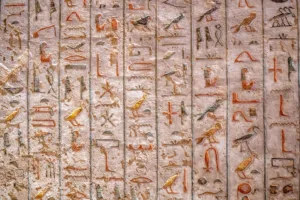
Traces of the language are evident from as early as the 2nd century BC, with inscriptions suggesting the existence of a pre-Albanian population that spoke a form of Illyrian or Thracian. The shifts in political power, from Roman dominance to Byzantine rule and later Ottoman influence, brought various cultural and linguistic exchanges that shaped the Albanian lexicon. Moreover, the language predominantly has two main dialects: Gheg and Tosk, which further enrich its historical tapestry. Understanding the historical context not only aids in the language’s preservation but also fosters a sense of identity among Albanians today. The exploration of the Albanian language’s origins serves as a microcosm of the broader narrative of human civilization, revealing how languages evolve, merge, and sometimes even fade into obscurity.
The Linguistic Features of Albanian
The Albanian language exhibits unique phonetic, morphological, and syntactic characteristics that distinguish it from other languages in the region. One of the most notable features is its extensive use of definite and indefinite articles, which are integrated into nouns. The definite article is suffixed to the noun, thus changing its form based on grammatical gender. For instance, “libër” (book) becomes “libri” (the book), showcasing a dynamic that is rare among Indo-European languages.
The language has preserved many archaic elements, lending credence to its ancient lineage. Furthermore, Albanian’s inflectional system is intricately tied to its ability to convey meaning through specific grammatical constructions. The language is also rich in vocabulary borrowed from a variety of languages, including Greek, Latin, Slavic languages, and Turkish, reflecting Albania’s long history of contact with diverse cultures. One particularly intriguing aspect is the preservation of certain phonological features that were lost in other Indo-European languages. These elements make Albanian not only a unique subject of study within the linguistic community but also a rich repository of history and culture worth exploring and preserving.
The Role of Albanian in the Balkans
Albanian serves as a crucial linguistic bridge within the complex tapestry of Balkan languages. Situated in a region where Slavic, Romance, and Greek languages collide, Albanian has maintained its distinct identity while also absorbing elements from its neighbors. The language’s resistance to assimilation can be seen as a reflection of Albania’s tumultuous history, which includes various invasions and occupations yet fosters a strong sense of national pride. In this context, understanding the role of the Albanian language in the Balkans goes beyond mere linguistics; it becomes a matter of cultural identity and heritage.
Throughout history, Albanian has played an essential role in diplomacy and trade among Balkan nations. Despite the linguistic diversity of the region, Albanian remains one of the official languages of Kosovo, providing a framework for communication and coexistence amid various ethnicities. Additionally, it has also acted as a point of reference for linguists and anthropologists, offering insights into migration patterns and cultural exchanges. However, the conflicts in the 1990s have prompted renewed interest in the language’s preservation, as many Albanians in the diaspora strive to maintain their linguistic heritage through education and cultural organizations.
The Evolution of Written Albanian
The history of written Albanian is as intricate as the language itself. Though oral traditions flourished for centuries, the need for a standardized written form became crucial during the Albanian National Awakening in the 19th century. Prior to this revival, various regional scripts and adaptations of Latin or Greek alphabets were used. The pivotal moment came in 1908, when the first orthographic convention was established in a Congress held in Manastir. This event marked a turning point, as it aimed to unify the different dialects and varying writing systems into a single, coherent standard.
As the 20th century progressed, the Albanian language saw significant developments in its literary canon, heavily influenced by nationalistic sentiments and sociopolitical changes. Prominent figures such as Gjergj Fishta and Ismail Kadare emerged, contributing to the modern literature landscape while promoting the use of Albanian in academia and public life. Yet, the language has faced numerous challenges, particularly during the Communist regime, which sought to streamline the language for political purposes. The eventual post-Communist revival of cultural expression has allowed for a renaissance in Albanian literature, reinforcing its importance as a vehicle for national identity. As Albania continues to integrate into the European community, the evolution of its written language will serve as a continuing testament to its resilient and dynamic cultural heritage.
Albanian Dialects: Gheg and Tosk
The Albanian language is primarily divided into two dialects: Gheg and Tosk, which not only represent geographical divisions but also cultural ones. Gheg, spoken in the northern regions, tends to preserve many archaic features that can provide insights into the language’s historical roots. It’s characterized by a more guttural phonetic quality and has a rich oral tradition, incorporating numerous proverbs and folktales that reflect the local customs and beliefs.
On the other hand, Tosk, predominantly spoken in the south, has undergone more linguistic influence from Greek and Turkish due to closer geographical proximity. Tosk also serves as the basis for the standard written form of Albanian. The distinctions between these dialects can be quite pronounced, and they evoke different regional identities within Albania. While some argue that the dialectical differences create barriers, others see them as rich tapestries that enhance the collective identity of Albanian speakers. Consequently, understanding these dialects is not merely an academic endeavor; it is essential to fully appreciate the diversity and unity that characterize the Albanian language today.
The Influence of Other Languages on Albanian
Albanian has been profoundly influenced by various languages throughout its history, making it a linguistic mosaic. As a bridge between Eastern and Western cultures, it has absorbed vocabulary and linguistic traits from Latin, Greek, Slavic languages, Turkish, and Italian, among others. These borrowings have enriched the Albanian lexicon and reflected the various cultural, political, and social interactions that have taken place over centuries.
For instance, the influx of Ottoman Turkish terms during the five-century-long Ottoman rule has had a lasting impact on both everyday vocabulary and specific domains like cuisine and administration. Similarly, Venetian and Italian phrases have made their way into informal speech and literature, underscoring the historical ties between Albania and its maritime neighbors. Conversely, Albanian has also impacted other languages, particularly through the preservation of unique terms that reflect the natural and cultural heritage of the region. This linguistic exchange highlights the fluid dynamics of language evolution: while it serves as a vessel for cultural expression, it also acts as a medium for shared history and experiences.
The Albanian Language and National Identity
The Albanian language is more than just a means of communication; it is a cornerstone of Albanian national identity. The struggles for independence and cultural preservation during the Ottoman and later Communist eras have imbued the language with profound symbolic significance. Language and identity are inextricably linked; for many Albanians, speaking shqip is a powerful statement of their heritage and pride.
During challenging periods, the language served as a vehicle for resistance and cultural expression. Prominent literary figures and intellectuals played a significant role in embedding language within the national consciousness. The efforts to reform and standardize the language were not merely linguistic endeavors but nationalistic ones, aiming to unify Albanians and fortify their identity amid external pressures. Today, the use of Albanian in schools, media, and public life is an expression of cultural sovereignty and a testament to the resilience of the Albanian people. The ongoing efforts to promote the language, especially among the diaspora, are crucial for fostering a lasting connection to Albanian heritage, ensuring that it continues to flourish for generations to come.
Challenges Facing the Albanian Language Today
Despite its rich history and significance, the Albanian language faces a range of challenges in contemporary society. The influence of globalization, the spread of English, and the migration of Albanians abroad pose risks to the vitality of the language. Urbanization and the increasing prevalence of digital communication also contribute to a dilution of linguistic purity, as younger generations may adopt slang and hybrid structures that deviate from traditional usage.
Moreover, the political landscape in the Balkans has indirectly affected the status of the language. National unity and cultural identity can be contentious topics, leading to differing approaches towards language preservation. In regions with sizable Albanian populations, such as Kosovo and Macedonia, language politics have significant implications for inter-ethnic relations. Efforts to promote and standardize Albanian in educational systems, media, and public life are crucial to counter these challenges. Language revival initiatives, community projects, and educational reforms aimed at fostering appreciation for the language can play an essential role in maintaining its relevancy and cultural significance in a rapidly changing world.
The Future of the Albanian Language
The future of the Albanian language is rooted in a combination of historical preservation and modern adaptability. With ongoing education reforms, cultural initiatives, and the role of the internet in facilitating language exchange, the potential for revitalization lies ahead. Digital platforms can serve as powerful tools for language learning and preservation, offering resources that cater to both native speakers and those interested in learning Albanian as a foreign language.
Moreover, the role of the diaspora cannot be understated; communities spread across Europe and North America are vital in keeping the language alive, nurturing it through cultural events, literature, and educational programs. Collaborative initiatives between local communities and international organizations can further enhance these efforts, creating bridges that sustain the language’s vibrancy and relevance. Ultimately, the Albanian language’s survival and evolution depend on the collective commitment of its speakers and supporters in a world where cultural identities remain constantly in flux. By honoring its past while embracing modern innovations, the Albanian language can continue to thrive, serving as both a cultural keystone and a living testament to the resilience of its people.
The Albanian language provides a captivating journey through history, culture, and identity. By tracing its roots, we can appreciate not just the language itself but also what it signifies about the broader human experience. As Albania navigates the complexities of modernity, the language stands as both a beacon of its rich heritage and a pathway to a vibrant future.






Add Comment