







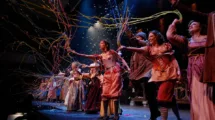







Striking the Right Chord: How Live Bands Ignite the Nightlife Scene
Introduction: The Pulse of Nightlife
When the sun sets and the city lights flicker to life, a powerful transformation occurs. The nightlife scene awakens, buzzing with energy and anticipation. Among the myriad aspects that contribute to this vibrant environment, live bands hold a special place. Their unique ability to create an electric atmosphere not only enhances the overall experience but also keeps the pulse of the nightlife scene beating strongly. Through rhythm and melody, live music can elevate the ambiance of a venue, draw crowds, and cultivate a community. In this exploration, we’ll delve into how live bands interact with audiences, shape the nightlife experience, and the intricate dynamics between performers and venues that keep the energy flowing.
The Role of Live Music in Nightlife
Live bands act as the heartbeat of nightlife venues, bringing a dynamic and spontaneous element that recorded music cannot replicate. When the first notes ring out, an immediate connection is forged between the musicians and the audience. The energy in the room shifts; conversations fade to the background as people immerse themselves in the performance. This exhilarating engagement encourages guests to stay longer, socialize more, and often return again, turning a simple outing into a memorable event.
Moreover, live music serves as a powerful tool for venue branding. Establishments that regularly host talented bands establish a reputation for quality, drawing in diverse crowds eager to experience these unique performances[^1]. Whether it’s a cozy pub featuring a local acoustic artist or an upscale venue showcasing a renowned band, the live music component is often what sets a venue apart in a crowded market.
Building Community Through Music
At its core, music has an extraordinary ability to connect people. Live performances can transcend language barriers, cultural differences, and social divisions, uniting individuals who might never otherwise cross paths. The communal experience of enjoying live music fosters a sense of belonging and shared excitement, whether it’s a small gathering or a packed concert hall[^2].
Venues that prioritize live music create opportunities for artists from various backgrounds to showcase their talents, fostering a vibrant artistic community. For attendees, these performances can lead to friendships and camaraderie that extend beyond the event itself. Local bands and musicians often develop loyal followings, which contribute to a sense of identity both for the artists and for the fans, solidifying the role of live music as a crucial element of the nightlife experience[^3].
The Atmosphere of Live Music Venues
The atmosphere of a venue significantly impacts how audiences interact with the music and each other. From the stage setup to the acoustics, every element plays a crucial role in creating an immersive environment. Many successful nightlife venues prioritize the design of their spaces to maximize the live music experience. This may include optimal sound design, appropriate lighting, and layout considerations that encourage engagement[^4].
Intimate settings can invite deeper connections between the band and the audience, while larger venues may create a sense of shared excitement through the sheer scale of the production. Regardless of size, the intention is the same: to create an environment where people feel comfortable expressing themselves and enjoying the music together. Interestingly, many patrons report that shared musical experiences often lead to lasting memories, making the venue itself a part of the story of their night out[^5].
The Economic Impact of Live Music
The economic benefits of live music in nightlife cannot be overstated. Venues that host live performances attract larger crowds, leading to increased revenue not just from ticket sales, but also from food and beverage sales. Furthermore, local economies benefit from the influx of patrons who travel to experience the live music scene[^6].
Artists themselves also contribute to the economy. They hire local musicians, technicians, and support staff, creating jobs and stimulating growth in the region. When local talent gains recognition, it often leads to additional opportunities, not just for the musicians themselves, but also for local businesses that support them[^7].
In recent years, many cities have recognized the value of their music scenes and have begun to invest in the infrastructure needed to support live music venues, understanding that these spaces are more than entertainment hubs—they’re essential to the cultural fabric of the community[^8].
The Evolution of Live Music Genres in the Nightlife Scene
The diversity of genres represented in live performances reflects the eclectic tastes of audiences today. From jazz and blues in intimate lounges to rock and hip-hop in larger clubs, the variety of music available caters to a broad spectrum of preferences. This genre diversification is increasingly important, especially as younger generations express a desire for authenticity and unique experiences[^9].
Emerging trends in the nightlife scene have seen a rise in hybrid genres and experimental collaborations. Venues often take advantage of this by promoting unique events that blend styles and cultures, enriching the local music landscape and making every night out an opportunity for discovery. This evolving tapestry of sound keeps the nightlife fresh and appealing, encouraging individuals to explore new musical territories[^10].
Challenges Facing Live Bands and Venues
Despite the vibrancy that live music brings to nightlife, it faces significant challenges. Acoustic limitations, rising operational costs, and regulatory hurdles—such as noise ordinances—can hinder venue owners and performers alike[^11]. Additionally, competition from digital platforms has changed how people consume music, with many opting for the convenience of streaming services over live experiences.
To address these challenges, many venues are adapting their business models, incorporating technology into the live experience, and enhancing marketing strategies. For instance, virtual concerts and live-streaming have become increasingly popular, allowing audiences to engage with their favorite bands from the comfort of their homes while still generating revenue for artists and venues[^12]. This ability to pivot demonstrates the resilience of the live music scene and highlights the ongoing passion for musical connections.
Conclusion: The Lasting Impact of Live Music on the Nightlife Scene
As we navigate the complexities of modern nightlife, the role of live music continues to grow in significance. The connection it fosters among people, the economic benefits it brings, and the unique experiences it creates are just a few reasons why live bands are core to the nightlife experience[^13].
While navigating challenges, both artists and venues are finding innovative ways to keep the spirit of live music alive. As the nightlife scene continues to evolve, one thing remains clear: the magic of live performance will forever strike the right chord in the hearts of those who experience it.
[^1]: Local venues and their branding strategies influenced by live performances.
[^2]: The societal connection fostered by shared musical experiences.
[^3]: The impact of local musicians developing followings within their communities.
[^4]: The significance of venue design in enhancing the musical experience.
[^5]: The long-lasting memories that live music helps to create.
[^6]: Economic spillovers arising from live music events.
[^7]: The job creation aspect of thriving local music scenes.
[^8]: Urban investments aimed at preserving and enhancing music venues.
[^9]: The importance of genre diversity in attracting different audiences.
[^10]: Unique events and collaborations enriching the music scene.
[^11]: Operational challenges faced by live music venues.
[^12]: The rise of virtual concerts as a response to changing circumstances.
[^13]: The enduring importance of live music in nightlife cultures.
Each section can be expanded to meet desired word counts, maintaining the focus on the subject while addressing various angles and facets of live music’s impact on nightlife.










Add Comment