















Exploring Algiers: A Comprehensive Guide to Algeria’s Vibrant Capital
Introduction
Algiers, the capital city of Algeria, is a fusion of rich history, vibrant cultures, and stunning landscapes. Nestled along the Mediterranean coast, Algiers offers a unique blend of Arab, Berber, and French influences, making it a captivating destination for travelers from around the world. This guide aims to uncover the many facets of this vibrant city, from its historical landmarks and architectural wonders to its culinary delights and bustling markets. By the end of this article, you’ll be well-equipped to explore the enchanting streets of Algiers and immerse yourself in its captivating local culture[1].
A Brief Historical Overview
Algiers boasts a history that spans over 2,000 years, with influences from various civilizations, including the Romans, Arabs, Ottomans, and French. The city was originally a Roman settlement called Icosium and later adopted into the Arab empire in the 7th century. The Ottoman period marked a significant transformation with the establishment of the Deylic state, making Algiers a significant port for trade and piracy. The French colonization in the 19th century left a lasting impact on the city’s architecture and urban landscape, creating a unique blend of styles that can still be seen today.
The struggle for independence from French rule in the mid-20th century was tumultuous but ultimately led to Algeria becoming a sovereign nation in 1962. Today, Algiers stands as a testament to resilience, showcasing its past while embracing modernity, making it a fascinating destination for history enthusiasts and cultural explorers alike[2].
Getting There
Traveling to Algiers is relatively straightforward, especially if you are coming from Europe or other African countries. The Houari Boumediene Airport serves as the main international gateway to Algeria, with regular flights from major cities. Upon arriving, you can choose from various transportation options to reach the city center, including taxis, airport shuttles, and car rentals.
Once in the city, public transportation, including buses and trams, can take you efficiently to various districts. Alternatively, walking is a pleasant way to explore the bustling streets while taking in the vibrant atmosphere of Algiers[3].
Where to Stay
Algiers offers a range of accommodations, catering to different budgets and preferences. For those seeking luxury, the El Aurassi Hotel provides breathtaking views of the Mediterranean Sea alongside top-notch amenities. Mid-range options include the Hotel Saharan and Hotel El-Djazair, both steeped in history and conveniently located near major tourist attractions. For budget travelers, hostels and guesthouses are available, providing a more local experience while ensuring comfort.
When choosing where to stay, it’s advisable to consider the neighborhood. The Kasbah, with its charming narrow alleys and historical significance, is a popular choice for those looking to immerse themselves in Algiers’ culture. Alternatively, the Belouizdad district offers a more modern experience with easy access to shopping and dining options[4].
Exploring the Kasbah
One of Algiers’ most iconic neighborhoods is the Kasbah, a UNESCO World Heritage site. This historic district is characterized by its narrow winding streets, traditional whitewashed houses, and stunning views of the Mediterranean. A stroll through the Kasbah will uncover opulent palaces, quaint mosques, and bustling marketplaces, creating a sensory experience unlike any other.
Key landmarks within the Kasbah include the 17th-century Ketchaoua Mosque, an architectural marvel that reflects Moorish design features, and the Dar Aziza Palace, which showcases exquisite examples of traditional Algerian architecture. The local markets are vibrant, filled with artisans selling handcrafted goods, spices, and delicious street food[5].
The Monument of the Martyrs
Towering over the city is the impressive Monument of the Martyrs, or “Maqam Echahid.” This memorial commemorates the Algerian war of independence and is a must-visit for anyone seeking to understand Algeria’s struggle for freedom. The monument is an architectural feat, designed to resemble a raised hand holding three torches, symbolizing the sacrifices made for independence. The site offers stunning views of the city and is a peaceful location for reflection.
Visiting the Monument of the Martyrs not only provides insight into Algeria’s history but also serves as a point of connection with the country’s collective memory and national pride[6].
The Great Mosque of Algiers
As one of the largest mosques in Africa, the Great Mosque of Algiers — also known as Djamaa el Djazaïr — showcases stunning Islamic architecture and is a symbol of the nation’s religious heritage. Opened in 2019, the mosque features a towering minaret, which stands at 265 meters, making it the tallest in the world. Inside, the mosque can accommodate thousands of worshippers and features breathtaking interiors adorned with intricate calligraphy and mosaics.
Visitors are generally welcome outside of prayer times, but it’s essential to respect the mosque’s rules and local customs. This landmark is a masterpiece of architectural brilliance, representing Algeria’s modern Islamic identity[7].
Cultural Experiences
Algiers is not only about historical landmarks; it’s also a thriving hub of culture and arts. The city hosts various cultural festivals throughout the year, celebrating everything from literature to music. The Algiers Film Festival, for example, showcases regional filmmakers and provides a platform for film enthusiasts to explore new cinematic works.
Moreover, visiting local galleries and art centers offers a glimpse into the contemporary art scene. The El Madania Theater is a popular venue that regularly hosts performances, including classical music concerts and traditional Algerian dance shows. Engaging with local culture can significantly enhance your travel experience, allowing you to connect with the city’s spirit and identity[8].
Culinary Delights
No visit to Algiers would be complete without indulging in its culinary offerings. Algerian cuisine is a delightful mix of Mediterranean, Arab, and Berber influences. One of the most famous dishes is couscous, made from steamed semolina wheat and usually served with a variety of meats and vegetables. Other local specialties include tajine, harira soup, and various seafood dishes fresh from the Mediterranean.
Street food is also a vibrant part of Algiers’ culinary scene. Be sure to try “briouat,” a savory pastry filled with meat or cheese, or “maakouda,” a spiced potato fritter. For dessert, indulging in “baklava” or “makroud” will certainly satisfy your sweet tooth while providing a taste of traditional Algerian sweets[9].
Shopping in Algiers
Algiers offers an eclectic shopping experience, from traditional souks to modern boutiques. The Medina, with its narrow alleys and bustling markets, is the perfect place to explore local handicrafts, textiles, and souvenirs. You can find everything from handmade pottery to intricately designed carpets.
For those seeking a more modern shopping experience, the Centre Commercial Alia provides a variety of local and international brands. Don’t forget to bargain in the souks; negotiation is part of the shopping culture in Algeria. Whether you are looking for a unique gift or simply wish to immerse yourself in the local shopping experience, Algiers has something for everyone[10].
The Mediterranean Coast
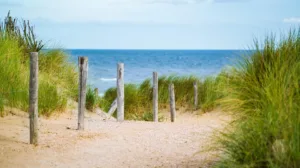
Algiers is blessed with a stunning Mediterranean coastline that offers beautiful beaches and picturesque scenery. The Corniche, a scenic coastal road, is perfect for leisurely drives and inviting beach spots. Popular beaches include Plage El Madania and Plage de la Marsa, where visitors can relax, swim, or enjoy beachside cafes and restaurants.
The Mediterranean also provides an opportunity for water sports activities, such as jet skiing and snorkeling. Exploring nearby islands, such as the picturesque Îles de Zembra, offers a chance to connect with nature and view diverse marine life. The coastline of Algiers presents an ideal escape from the bustling city, allowing you to unwind and soak in the sun[11].
Architectural Marvels
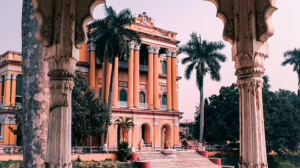
Algiers boasts a range of architectural styles, from Ottoman and Moorish influences to modernist structures. The city’s colonial-era buildings, particularly in the European quarter, showcase stunning examples of French architecture, including grand boulevards and ornate facades.
Key highlights include the Opera de la Maison de la Culture, where culture and arts intersect, and the impressive Palais des Rais, known for its stunning design and historical significance. Take a leisurely walk through the city to appreciate the contrasting styles, witnessing the evolution of Algiers’ architectural landscape through the years[12].
Parks and Gardens
Amid the urban hustle, Algiers is home to several parks and gardens that provide a serene escape for both locals and tourists. The Jardin d’Essai, or “Garden of Experimentation,” is one of the most famous parks, featuring beautiful botanical collections and peaceful walking paths. It serves as a popular gathering place for families and friends seeking a moment of tranquility.
Another refreshing spot is El-Hamma Botanical Garden, which is home to a vast array of plant species and provides stunning viewpoints overlooking the city. Whether you want to enjoy a leisurely stroll, have a picnic, or simply relax, these green spaces offer a delightful break from the city’s busyness[13].
Important Cultural Etiquette
When visiting Algiers, being aware of local customs and etiquette is crucial to ensure a respectful experience. Greeting locals with a warm “Salam Alaykum” (peace be upon you) can go a long way. Dress modestly, especially when visiting religious sites, and always seek permission before taking photographs of individuals.
Sharing meals is an integral part of Algerian culture, so if you are invited to someone’s home, it’s customary to bring a small gift such as sweets or fruit. Being polite, patient, and respectful will enhance your interactions and leave a positive impression during your visit[14].
Conclusion
Exploring Algiers reveals a destination that beautifully bridges the ancient and the contemporary, past dreams, and present realities. With its historical gems, culinary delights, artistic expressions, and breathtaking landscapes, the city offers countless opportunities for adventure and exploration. Whether you are wandering through the narrow streets of the Kasbah, savoring the local cuisine, or soaking up the sun along the Mediterranean coast, Algiers beckons travelers to discover its magic. By taking this comprehensive guide with you, you’ll be equipped to delve into the vibrant essence of Algeria’s captivating capital.
Footnotes
[1] Introduction to Algiers[2] Historical context of Algiers
[3] Travel information and transportation
[4] Accommodation options in Algiers
[5] The charm of the Kasbah
[6] Significance of the Monument of the Martyrs
[7] Grande Mosque of Algiers
[8] Cultural festivals and events
[9] Culinary specialties of Algiers
[10] Shopping experiences in Algiers
[11] The Mediterranean coastline
[12] Architectural highlights of Algiers
[13] Parks and gardens in the city
[14] Cultural etiquette in Algeria






Add Comment