













Secrets of Insect Evolution: A Study in Natural Selection
Insects, the most diverse group of organisms on Earth, offer profound insights into the mechanisms of evolution and natural selection. This article delves into the intricate tapestry of insect evolution, examining the factors that have contributed to the astonishing variety of species and adaptations we see today. From their emergence over 400 million years ago to their continued evolutionary innovations, insects provide a unique lens through which we can understand the principles of natural selection and evolutionary biology.
The Origins of Insects: A Brief History
The emergence of insects can be traced back to the Devonian period, approximately 400 million years ago. Fossil evidence suggests that early insects evolved from crustacean-like ancestors in freshwater environments. The transition from aquatic to terrestrial life marked a significant milestone in evolution, allowing insects to exploit a vast array of habitats. Their adaptation to various ecological niches led to the development of crucial features, such as wings and exoskeletons, which contributed to their success and diversification.
Ancient fossils, such as those of Meganeura, an enormous dragonfly-like insect from the Carboniferous period, highlight the shape and size variations insects underwent as they adapted to different environments. These early adaptations provided insects with competitive advantages, contributing to their survival amidst changing climates and ecosystems.
Characteristics of Insect Anatomy
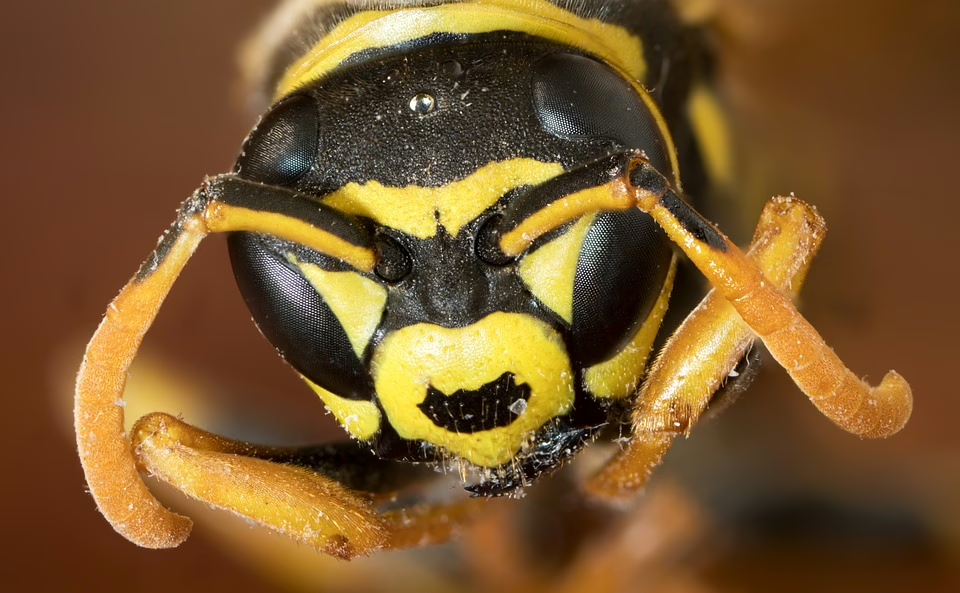
Insects possess a unique body plan characterized by three primary regions: the head, thorax, and abdomen. The head houses sensory organs and mouthparts, while the thorax contains the legs and wings. Their exoskeleton, made of chitin, provides protection and structural support. These anatomical features have evolved extensively, allowing insects to thrive in diverse habitats. For instance, the evolution of wings enabled flight, facilitating escape from predators and the exploration of new food sources.
Moreover, insects exhibit an incredible variety of mouthparts adapted for their diets. From the piercing mouthparts of mosquitoes to the siphoning tongues of butterflies, these adaptations reflect the evolutionary pressures of feeding strategies. Such specialization is a prime example of how natural selection drives anatomical changes, enabling species to thrive in their respective environments.
The Role of Natural Selection in Insect Evolution
Natural selection, a core principle of evolution, plays a crucial role in shaping the diversity of insect species. Variations within populations arise due to genetic mutations, some of which confer advantageous traits. These advantageous traits enhance the organisms’ ability to survive and reproduce in their specific environments. Over generations, successful traits proliferate, leading to the evolution of distinct species.
Darwin’s concept of “survival of the fittest” is exemplified by the peppered moth (Biston betularia), whose color variation allowed it to blend into its environment better during the Industrial Revolution. As pollution darkened tree barks, darker moths had a survival advantage, demonstrating the direct impact of environmental changes on natural selection processes.
Insect Speciation: Factors and Mechanisms
Speciation, the process through which new species arise, occurs through various mechanisms, including allopatric, sympatric, and peripatric speciation. For insects, geographic isolation often plays a significant role in allopatric speciation. Populations that become separated by physical barriers, such as mountains or rivers, may evolve independently, leading to divergences that give rise to new species.
Sympatric speciation, although less common, also occurs when populations evolve into new species within the same geographic area due to behavioral changes or niche partitioning. For example, different species of cichlid fish in African lakes have evolved distinct feeding strategies and coloration patterns despite inhabiting the same waters. Insects, too, exhibit similar phenomena, often leading to the emergence of distinct species based on reproductive isolation or specific ecological niches.
The Influence of Environmental Factors on Evolution
Environmental factors are pivotal in shaping insect evolution. Climate, habitat, and availability of resources directly influence survival and reproductive success. Insects have demonstrated remarkable adaptability to changing environments, making rapid evolutionary adjustments in response to shifts in climate or ecosystem dynamics.
Consider the case of the common fruit fly (Drosophila melanogaster), which has been extensively studied to understand evolution and genetics. These flies exhibit rapid adaptation to environmental pressures, such as changes in food sources or the presence of predators. The research on Drosophila highlights how natural selection operates on a genetic level, driving evolutionary changes that can be observed in relatively short timeframes.
Insect Interactions and Mutualistic Relationships
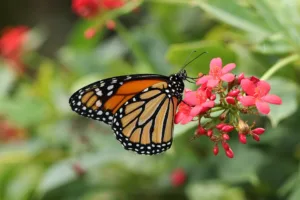
Insects often engage in complex interactions with other organisms, leading to mutualistic relationships that can significantly influence their evolution. Pollinators like bees and butterflies have co-evolved with flowering plants, leading to adaptations that benefit both parties. Flowers have developed shapes, colors, and scents that attract specific insect species, while these insects obtain food and reproductive advantages.
Similarly, the relationship between ants and aphids illustrates the intricacies of mutualism. Ants protect aphids from predators in exchange for the sugary substance they excrete, known as honeydew. Such symbiotic relationships drive evolutionary changes, as both species adapt to enhance their survival and reproductive success within their ecological contexts.
The Impact of Human Activity on Insect Evolution
In recent decades, human activities have significantly impacted insect evolution. Habitat destruction, climate change, pesticide use, and the introduction of invasive species disrupt the delicate balance of ecosystems. These changes impose selective pressures on insect populations, often leading to rapid adaptations or, conversely, extinctions.
The widespread use of pesticides, for instance, has favored the evolution of resistance in some insect populations, leading to the emergence of “superbugs.” These insects possess genetic traits that allow them to survive exposure to chemicals that previously decimated their populations. This ongoing battle between humans and insects underscores the complexities of natural selection and adaptation in an increasingly anthropogenic world.
Future of Insect Evolution: Challenges and Opportunities
The future of insect evolution will likely be influenced by ongoing environmental changes and human intervention. Some species may adapt successfully to new challenges, while others may face extinction due to their inability to cope with rapidly changing conditions. The resilience of insects, however, provides hope for their continued evolution and survival.
Research into insect evolution underscores the importance of conservation efforts. Protecting habitats and biodiversity is crucial in supporting the evolutionary processes that have shaped and continue to shape insect populations. Understanding the mechanisms of natural selection and adaptation not only enriches our knowledge of evolutionary biology but also informs strategies to mitigate the impacts of human actions on ecosystems.
Conclusion: The Intricate Journey of Insect Evolution
The study of insect evolution reveals a dynamic interplay of anatomical adaptations, ecological interactions, and the relentless forces of natural selection. From their ancient origins to their contemporary adaptations, insects epitomize the principles of evolution in action. Understanding these processes empowers us to appreciate the complexity of life and the role we play in shaping the future of Earth’s biodiversity.
Through ongoing exploration of insect evolution, we gather invaluable insights into the past, present, and future of life on Earth. By embracing conservation and fostering a deeper understanding of these remarkable creatures, we can ensure that the legacy of insect evolution continues for generations to come.




Add Comment