













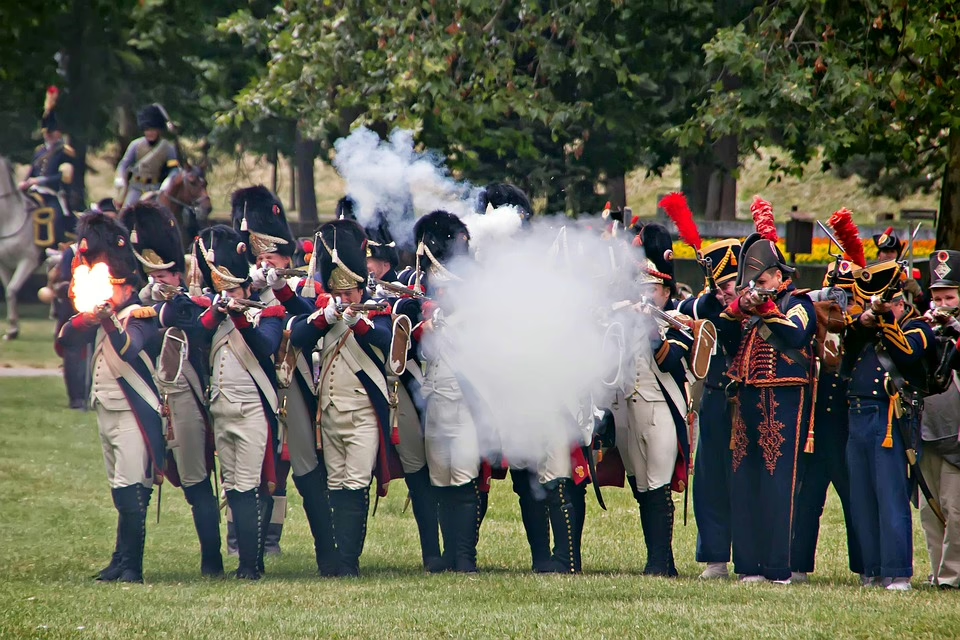

Echoes of Valor: Lessons from the Battlefields of History
Introduction to the Lessons of Valor
Throughout the ages, the battlefields of history have served as crucibles of human endurance, bravery, and strategy. In examining these hallowed grounds, we uncover not only tales of heroism and sacrifice, but also valuable lessons that transcend time and geography. From the fierce warriors of ancient civilizations to the modern soldiers on contemporary frontlines, the echoes of valor resonate with universal truths about courage, leadership, and the consequences of war. The stories woven into the fabric of historical battles teach us resilience in the face of adversity, the importance of unity, and the necessity of ethical judgment in moments of chaos.
The lessons learned in these tumultuous settings have a profound impact on contemporary societies and individuals. They remind us that conflict, while sometimes unavoidable, can also serve as a catalyst for growth and understanding. As we delve into various historical battles, we will explore the principles of courage, sacrifice, and the relentless quest for justice that they espouse, illuminating how these ideals can guide future generations. Ultimately, understanding the echoes of valor from the battlefields of history empowers us to navigate our own challenges with wisdom and empathy.
The Classical Age: Courage and the Birth of Strategy
The battlefields of the classical era—marked by epic clashes like the Battle of Marathon and the Punic Wars—offer timeless insights into the essence of courage and the evolution of military strategy. Here, heroes emerged not solely through might, but also through ingenuity and intellect. The fervent stand of the Spartan warriors at Thermopylae epitomizes the courage that defines this age; their steadfastness against overwhelming odds serves as a powerful lesson in resilience and the spirit of sacrifice. Leaders like Alexander the Great showcased the significance of strategic thinking and innovative tactics, teaching us that courage often resides not just in the act of fighting, but in the ability to outthink adversaries and anticipate their moves.
These battles remind us that true valor is not the absence of fear but rather the embodiment of courage amidst it. Historical accounts urge contemporary leaders and individuals alike to approach challenges with strategic foresight, understanding that preparation and adaptability are just as critical as sheer strength. In a world where conflicts persist, the lessons from classical battles provide a roadmap for confronting personal and societal struggles with wisdom and bravery.
The Medieval Epoch: Unity and Chivalry
As we transition to the medieval epoch, the battlefields reveal themes of unity and the ideals of chivalry. The Hundred Years’ War, marked by both extraordinary victories and harrowing losses, epitomizes the importance of collective effort and courage in the face of division. The valor exhibited by figures like Joan of Arc not only ignited a sense of national identity but also underscored the significance of moral conviction in battle. Her unwavering belief in her cause encapsulates the essence of chivalric duty, where valor is intertwined with ethical motives and a commitment to the greater good.
The lessons from medieval warfare extend far beyond the battlefield; they invite contemporary society to reflect on the role of unity in overcoming divisions and fostering collaboration over competition. In times of strife, the values of courage and camaraderie exemplified by medieval knights remind us that shared purpose can triumph over adversity. Furthermore, the ideals of chivalry continue to inspire conversations about integrity, respect, and the moral responsibilities that accompany power—teaching us to wield our influence with grace and honor.
The Revolutionary Wars: Ideals and Sacrifice
The revolutionary wars of the 18th and 19th centuries forged new identities and ideals that continue to shape the modern world. The American Revolution, for instance, reverberated with aspirations for freedom and justice, illustrating how courage can be both a personal and collective force for change. The valor exhibited by individuals who fought for liberty reflects a profound willingness to sacrifice for the ideals of equality and self-determination. Leaders like George Washington and Marquis de Lafayette embodied the spirit of revolution, demonstrating that true bravery often entails embracing risk in pursuit of a higher cause.
These battles teach us that ideals are worth fighting for, even when the price is steep. The echoes of valor from revolutionary wars remind us that our contemporary struggles for justice and equality are built upon the sacrifices of those who came before us. In fostering a commitment to these ideals, we honor their legacy while reigniting the flame of courageous action in our own communities.
The World Wars: Brotherhood and Humanity
The World Wars ushered in an era of unprecedented conflict and consequence, yet within this chaos emerged powerful lessons about brotherhood and the shared humanity of soldiers on all sides. The camaraderie forged in the trenches of World War I exemplifies the profound bonds that can develop among individuals facing the horrors of war. Soldiers from diverse backgrounds and nations came together, learning to rely on one another amidst adversity. This spirit of brotherhood offers a poignant lesson for today’s fragmented world: that empathy and understanding are paramount in bridging divides.
Moreover, the atrocities of World War II highlight the importance of vigilance against tyranny and the moral obligations that arise from our shared humanity. Figures like Anne Frank and Oskar Schindler remind us of the extraordinary courage displayed by individuals who acted against injustice, embodying the belief that one person can indeed make a difference. These lessons challenge us to confront contemporary issues of oppression and hatred with unwavering resolve, advocating for justice and humanity in the face of adversity.
The Modern Era: Resilience and Adaptability
In the modern era, the battlefields take on new meanings, as conflicts evolve in response to technological advancements and shifting geopolitical landscapes. From the Vietnam War to contemporary military engagements, the lessons learned revolve around resilience and adaptability. As warfare becomes increasingly multifaceted, the ability to pivot strategies—both on the battlefield and in our personal lives—has never been more vital. It reflects the enduring principle that success is contingent upon our responsiveness to change, illustrating the necessity of continuous learning and unyielding determination.
Moreover, the experiences of veterans from these conflicts underline the importance of mental strength and healing. The echoes of valor resonate in stories of resilience that inspire us to confront our own trials with courage and grace, fostering a sense of community and mutual support in overcoming life’s challenges. Just as soldiers adapt to the ever-evolving dynamics of warfare, so too must we cultivate resilience in facing the uncertainties of our world.
The Role of Leadership: Lessons in Duty and Sacrifice
Leadership on the battlefield offers essential lessons in duty, responsibility, and sacrifice. Throughout history, leaders have faced critical moments requiring decisive action and profound moral judgment. The choices made by military leaders, from the battlefield to the boardroom, reverberate in their consequences—dictating not only the immediate outcomes of battles but also shaping the future of nations and communities. The analysis of historical leaders—such as Winston Churchill and Nelson Mandela—provides valuable insights into the qualities that define effective leadership: conviction, empathy, and foresight.
These lessons resonate with contemporary leaders across industries, reminding us that true leadership demands not only tactical intelligence but also a deep sense of responsibility to those we serve. The echoes of valor underscore the importance of leading with integrity, fostering an environment where collaboration and mutual respect thrive. In embracing the lessons from historic leaders, we can cultivate a new generation of change-makers committed to ethical leadership and social progress.
Conclusion: Carrying Forward the Echoes of Valor
The echoes of valor from history’s battlefields serve as profound reminders of our shared humanity, our capacity for courage, and our enduring commitment to justice. The lessons drawn from the ages—whether about strategy, unity, sacrifice, or leadership—empower us to navigate contemporary challenges with wisdom and resilience. As we honor those who have fought and sacrificed on behalf of ideals greater than themselves, we carry forward their legacy in our ongoing pursuit of compassion, understanding, and courage.
In reflecting upon this rich tapestry of history, we are called to engage with the world around us, striving to be beacons of valor in our own communities. By embracing the lessons of the past, we can build a future defined by empathy and collective strength, ensuring that the echoes of valor continue to resonate across generations.
This structure illustrates a concise exploration of the theme “Echoes of Valor” through various historical contexts. Each section offers an opportunity to reflect on significant teachings derived from battles, resonating through time to impact contemporary life.










Add Comment