














Mind Matters: Conquering Premature Ejaculation with Psychological Strategies
Understanding Premature Ejaculation: An Overview of the Challenges
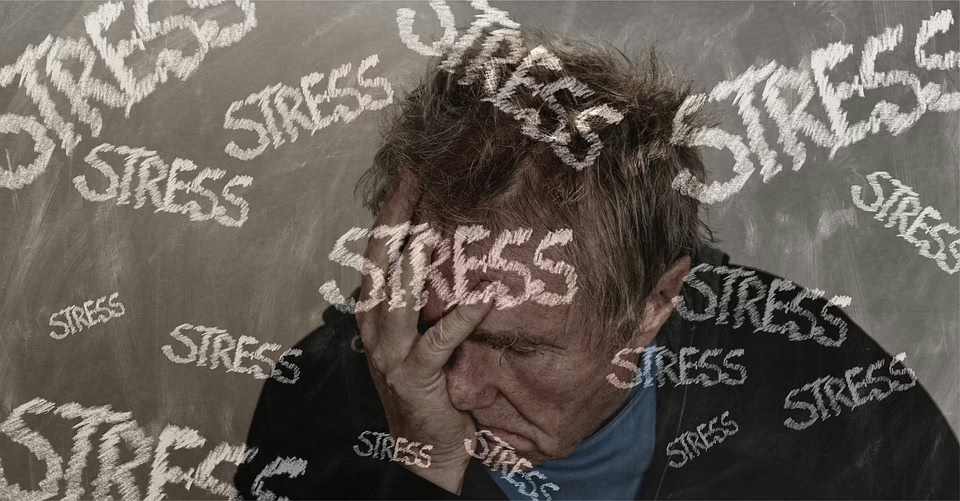
Premature ejaculation (PE) is a common issue faced by many men, defined as ejaculation that occurs with minimal sexual stimulation, often within one to two minutes of penetration. This condition can lead to significant emotional and relational stress, affecting self-esteem, intimacy, and sexual satisfaction for both partners. Understanding the psychological factors contributing to PE is crucial in forming effective management strategies. Anxiety, stress, and performance pressure are often underlying causes, but the good news is that these issues can frequently be addressed with psychological strategies.
In this article, we will explore the psychological aspects of PE, delve into various techniques that can help manage it, and discuss how therapy and self-help strategies can empower men to regain control over their sexual performance. By equipping individuals with the right tools and understanding their psychological landscape, we aim to provide a pathway toward a more fulfilling sexual experience.
The Role of Anxiety: How Psychological Factors Influence Sexual Performance
Anxiety plays a significant role in premature ejaculation. Many men report increased anxiety around sexual performance, which can create a vicious cycle. When a man is anxious, it can lead to heightened arousal, triggering ejaculation before he intends. This emotional response often reinforces feelings of inadequacy, resulting in further anxiety during future sexual encounters.
Understanding the connection between anxiety and PE is critical for developing effective treatment strategies. Cognitive-behavioral therapy (CBT) has shown promise in helping individuals recognize and re-frame their anxious thoughts. By addressing irrational beliefs about performance and sexuality, men can begin to alleviate the pressure they place on themselves, potentially improving their sexual experience. Furthermore, relaxation techniques, such as deep breathing or mindfulness, can help reduce general anxiety levels, promoting a calmer mindset during intimate moments.
Communication: The Key to Tackling Premature Ejaculation Together
Open and honest communication between partners is paramount in addressing premature ejaculation. It not only allows for a deeper understanding of each other’s needs and feelings but can also ease anxiety and performance pressure. When discussing PE, it’s vital to adopt a compassionate approach, encouraging both partners to express their feelings and concerns without judgment.
Effective communication can help redefine expectations, allowing couples to explore alternative forms of intimacy and pleasure that may reduce performance pressure. It also fosters a supportive environment where both partners feel secure and valued, enabling them to navigate the emotional complexities of PE together. This collaborative approach can result in increased intimacy, ultimately enhancing sexual satisfaction for both partners in the long run.
Mindfulness Techniques: Staying Present During Sexual Experiences
Mindfulness practices can be incredibly beneficial for men dealing with premature ejaculation. By cultivating a mindful approach, individuals can learn to focus on the present moment rather than succumbing to anxious thoughts about performance or outcomes. Techniques such as meditation, body scans, and mindful breathing can help men attune to their physical sensations and emotional responses without judgment.
Practicing mindfulness can lead to enhanced control over the physiological responses associated with sexual arousal. It enables individuals to recognize heightened excitement levels and strategically divert their focus, thereby allowing them to regulate their performance better. Mindful techniques not only improve sexual function but can also enrich the overall sexual experience, leading to greater intimacy and satisfaction.
Behavioral Techniques: The Stop-Start and Squeeze Methods
Behavioral techniques play a crucial role in managing premature ejaculation. The stop-start method involves pausing during intercourse to allow arousal levels to decrease, effectively teaching men to better control their ejaculation. This method encourages individuals to recognize their personal thresholds and gradually increase their stamina over time.
The squeeze technique, another popular approach, involves squeezing the penis just below the glans when the man feels he is close to ejaculation. This technique can help to delay orgasm and ultimately train the body to last longer during intercourse. Both methods require practice and communication between partners, as they necessitate a supportive and understanding environment to succeed.
Seeking Professional Help: Therapy as a Tool for Managing PE
For many men, professional therapy can be an invaluable resource in addressing premature ejaculation. A trained therapist can help identify underlying psychological factors contributing to PE, such as anxiety, past trauma, or relationship issues. Therapy provides a safe space for individuals to explore their feelings and experiences, enabling them to confront and reframe negative beliefs about their sexuality.
Cognitive-behavioral therapy (CBT) and sexual therapy have been particularly effective for men experiencing PE. CBT focuses on changing unhelpful thought patterns, while sexual therapy often involves education around sexual functioning and guidance on how to enhance intimate connections. Engaging in therapy can not only alleviate symptoms of PE but also empower men to form healthier sexual relationships.
The Power of Education: Understanding Sexual Wellness
Education plays a crucial role in combating premature ejaculation. Understanding sexual anatomy, the physiological processes involved in arousal and ejaculation, and the effects of anxiety can empower men to navigate their sexual experiences confidently. Books, workshops, and online resources can provide invaluable insights into sexual health and performance issues, demystifying the topic of premature ejaculation.
Knowledge not only enhances self-awareness but also equips individuals with practical strategies to manage their condition. By fostering an informed perspective on sexuality, men can reduce feelings of shame or embarrassment associated with PE, ultimately leading to improved mental health and relationship satisfaction.
Lifestyle Changes: How Physical Well-Being Affects Sexual Performance
Lifestyle factors can significantly impact sexual performance, including the experience of premature ejaculation. Regular physical activity, a balanced diet, and proper sleep are essential for optimal overall health and can improve sexual functioning. Exercise, in particular, can enhance confidence, reduce anxiety, and promote better blood circulation, positively influencing sexual performance.
Additionally, practicing relaxation techniques such as yoga or tai chi can also benefit those dealing with PE. These practices promote mental well-being, reduce stress, and cultivate a healthier relationship with one’s body. By making conscious lifestyle changes, individuals can enhance not only their sexual health but their overall quality of life.
Building Self-Esteem: Cultivating a Positive Self-Image
Premature ejaculation can take a toll on self-esteem, leading to feelings of inadequacy or shame. Building self-esteem is a vital part of overcoming PE, as a positive self-image can lead to reduced anxiety and improved sexual performance. Engaging in activities that boost confidence, such as trying new hobbies, accumulating achievements, or practicing self-compassion, can foster a healthier self-image.
Therapeutic techniques, such as visualization or affirmations, can also play a significant role in enhancing self-esteem. Creating a positive mental narrative around sexuality can help reshape beliefs about manhood and sexual performance. Ultimately, by cultivating a stronger sense of self-worth, individuals can approach intimate encounters with greater confidence and a more open mindset.
Conclusion: Embracing the Journey Toward Sexual Wellness
Confronting premature ejaculation is a journey that requires patience, self-discovery, and compassion. By adopting psychological strategies, individuals can address the emotional and behavioral factors contributing to PE. Understanding the significance of anxiety, the importance of communication, and the power of mindfulness and behavioral techniques can empower men to take charge of their sexual health.
As individuals move forward on this journey, seeking professional help and embracing educational resources can further enhance their understanding of sexuality and relationships. Building a supportive environment and nurturing self-esteem are also vital components of this process. Ultimately, conquering premature ejaculation is not just about overcoming physical challenges; it’s an opportunity for personal growth, improved intimacy, and a more fulfilling sexual experience for both partners.
Footnotes
[1] See American Urological Association (AUA) guidelines on sexual health for more information on PE.[2] Research indicates that anxiety and performance pressure are common contributors to PE.
[3] Cognitive-behavioral therapy has shown effectiveness in addressing performance-related anxiety.
[4] Open communication can lead to better sexual experiences; studies support its positive impact on relationships.
[5] Mindfulness practices have been found to enhance sexual satisfaction and reduce anxiety.
[6] Behavioral methods, such as stop-start and squeeze techniques, have been used successfully by many therapists.
[7] Pursuing therapy can provide couples with tools to understand and manage sexual concerns.
[8] Self-education about sexual health is a critical component of managing PE effectively.
[9] Lifestyle changes, including exercise and relaxation practices, have been associated with improved sexual performance.
[10] Building self-esteem can lead to enhanced sexual confidence and performance.










Add Comment