












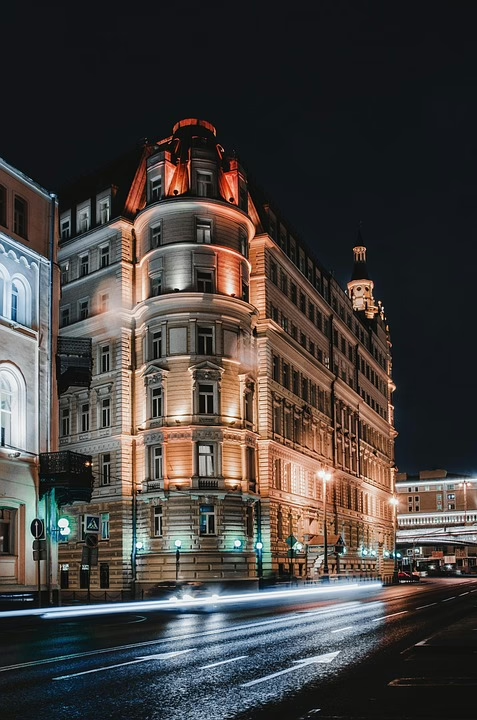

The Titans of Nightlife: Inside the Mega Clubs That Rule the Dance Floor
Introduction: A New Era of Nightlife
In recent years, mega clubs have taken the nightlife scene by storm, becoming beacon-like structures that draw in party-goers from all corners of the world. These temples of sound and light offer an experience that goes beyond mere dancing; they combine state-of-the-art technology, world-renowned DJs, and artistic performances that create an electric atmosphere. These clubs are not just venues; they are carefully curated experiences, designed to invoke emotion and create unforgettable memories. As we venture deeper into this world, we will explore the mega clubs that have shaped the dance floor and understand what makes them so alluring.
The Genesis of Mega Clubs: A Brief History
The rise of mega clubs can be traced back to the late 20th century when nightlife began to evolve from intimate, smaller venues to larger-scale experiences. Initially, disco clubs paved the way for larger dance floors, but it was the advent of electronic dance music (EDM) in the 1990s that truly transformed the nightlife landscape. Clubs like the legendary Studio 54 in New York City set the stage for the hedonistic atmosphere that defined the disco era, while the emergence of techno pushed boundaries in cities like Berlin.
The progressive rise of the internet also played a significant role in the evolution of nightlife. This shift allowed for easier promotion of events and access to new music, resulting in a more connected and aware party-goer. As EDM gained global traction, clubs started to cater to larger crowds, experimenting with size, structure, and atmosphere.
Architectural Marvels: The Design of Mega Clubs
Every mega club embodies its own unique architecture, each tailored to enhance the experience of its patrons. From gleaming glass façades to cavernous interiors, the designs of these venues often serve as much as a visual spectacle as the entertainment they host. Structures like the Pacha Ibiza are iconic not just for their size but for their ability to create distinct environments for different types of revelry.
Moreover, sound engineering has come leaps and bounds over the years. Clubs now invest thousands of dollars into high-quality sound systems, using technologies that allow for a seamless auditory experience. Acoustic design becomes crucial; every corner of the room is meticulously crafted to ensure that no matter where you are, you feel the music pulsating through your body.
Lighting design, too, has evolved dramatically. With the incorporation of LED walls, lasers, and holographics, clubs curate an atmosphere that is as visually stunning as it is musically enthralling. The interplay of sound and light can make you feel as though you’re transported to another realm—a principle that is upheld by some of the biggest names in the industry.
The Select Few: Prominent Mega Clubs around the World
The landscape of mega clubs is vast, and while many do a commendable job of hosting memorable nights, only a select few have earned the title of ‘Titans of Nightlife.’ Clubs such as Hï Ibiza, Fabric London, and Berghain Berlin serve not just as venues but as cultural landmarks that shape and redefine nightlife.
Hï Ibiza: A New Dawn in Clubbing
Located on the pristine shores of Ibiza, Hï Ibiza has quickly established itself as a prominent player in the mega club arena. Opened in 2017, this venue is known for its opulent design and world-class lineups. Featuring multiple rooms, each with its own ambiance and genre, Hï offers something for everyone. The club garners attention not just for its breathtaking aesthetics but also for its cutting-edge technology, including a pioneering sound system engineered by the legendary FBT.
Fabric London: The Legendary Hub of Electronic Music
Fabric is often hailed as one of the best nightclubs globally, known for its commitment to underground music. Nestled in the heart of London, this historic venue has seen countless artists rise to fame. Its unique sound system and immersive vibe have attracted a dedicated fanbase, making it a crucial element of the capital’s nightlife landscape. The club’s dedication to supporting lesser-known artists while still featuring established names ensures that each night can be a unique musical journey.
Berghain Berlin: The Pinnacle of Techno Culture
When discussing mega clubs, Berghain cannot be overlooked. This stalwart of Berlin’s nightlife remains a symbol of freedom and self-expression, offering a haven for techno enthusiasts. Renowned for its strict door policy, entering Berghain can feel like a rite of passage for many, and once inside, guests are immersed in an unparalleled auditory experience. The venue’s unpretentious atmosphere, combined with its forward-thinking approach to electronic music, has solidified its status as a cultural icon.
The Power of DJs: The Stars of the Dance Floor
At the heart of any mega club lies the DJs who spin the records, each contributing to the conceptual tapestry that forms a successful night. Renowned names such as Calvin Harris, Tiësto, and David Guetta have contracts with mega clubs that often exceed multi-million-dollar agreements, highlighting their value in drawing crowds.
The artistry of DJing transcends mere technical skill; it’s about crafting a narrative that resonates with the audience. A talented DJ can read the crowd, ebbing and flowing with the mood of the room, transforming anticipation into sheer ecstasy. The close relationship between DJs and mega clubs has transformed both into titans of the industry, making them synonymous with nightlife and culture.
The Rise of Resident DJs
While headliners grab headlines, it is often the resident DJs who keep the pulse of the club alive. These artists understand the unique fabric of their venues, often playing for extended periods while crafting a sonic journey tailored specifically for the audience at hand. The trust placed in resident DJs allows them to explore, experiment, and elevate the club’s atmosphere, marking each night as a unique experience.
Cultural Significance: Mega Clubs and Social Dynamics
As societal norms evolve, so too do the functions of nightlife venues. What was once purely a space for escapism has transformed into a complex sociocultural phenomenon. Mega clubs are often the confluence for various subcultures, artistic expressions, and lifestyles, bringing different people together in a shared environment.
These nightclubs often mirror the societal changes of their respective cities. For instance, the LGBTQ+ community has found sanctuary in clubs like Berghain, providing a space for camaraderie and acceptance. In essence, mega clubs can serve as microcosms of the world outside, showcasing how music and dancing can bridge gaps and cultivate inclusivity.
The Economic Impact of Mega Clubs
The economic ramifications of mega clubs cannot be overstated. They generate substantial revenue not just for themselves but for local businesses, tourism, and employment opportunities. Mega clubs can elevate overall nightlife revenue significantly, benefiting surrounding bars, restaurants, and hotels as they draw crowds. Cities that embrace nightlife as a vital component of their cultural identity inherently benefit from its economic implications.
The Future of Nightlife: Trends Reshaping Mega Clubs
With the evolution of technology and culture, the future of mega clubs holds endless possibilities. Virtual Reality (VR) and Augmented Reality (AR) are slowly making their way into nightlife experiences. Some venues are exploring how they can leverage these technologies to create interactive spaces that engage patrons beyond the music.
Additionally, the emphasis on sustainability is reshaping nightlife culture. Energies such as solar power and waste management are becoming more critical as clubs strive to reduce their ecological footprint. Efforts are being made to create green, sustainable environments where guests can party with peace of mind, knowing their fun does not come at the expense of the planet.
Conclusion: Enduring Legends on the Dance Floor
Mega clubs, as Titans of Nightlife, have become transformative spaces that celebrate music, art, and human connection. Rooted in cultural significance and societal evolution, they continue to be a testament to the boundless energy of nightlife. Whether you’re dancing under the mesmerizing light shows or experiencing the craft of a skilled DJ, each night promises a journey filled with laughter, friendship, and unforgettable memories. The dance floor remains a canvas, painted each night with the vibrant colors of those who dare to live for the moment, ensuring that the legend of mega clubs will endure for generations to come.
[1] This text provides an analysis of the evolution, design, and cultural significance of mega clubs, emphasizing their role in shaping the modern nightlife landscape. Further examination of individual clubs offers insights into their architectural and experiential elements that differentiate them from typical nightlife venues. The discussion surrounding DJs and economic implications highlights the interconnectedness of nightlife with broader social and cultural dynamics.








Add Comment