












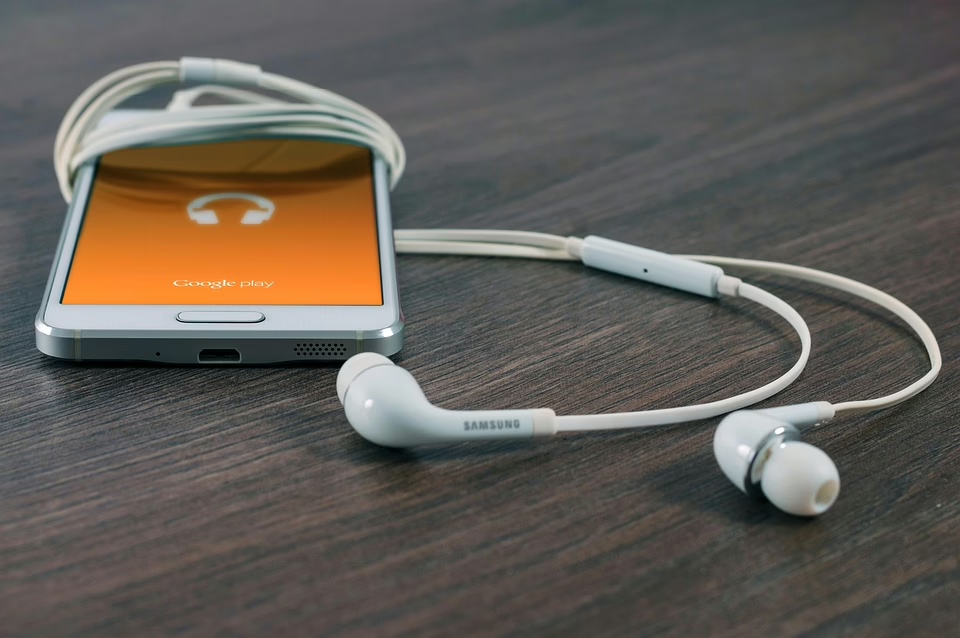

Apple vs Samsung: The Ultimate Tech Showdown – Which Brand Reigns Supreme?
Introduction
In the world of consumer electronics, few rivalries are as fierce as that of Apple and Samsung. These two tech giants have been battling for supremacy in the smartphone market for over a decade. With innovations that push boundaries and ecosystems that keep users engaged, both brands have their fervent supporters. This article delves into the various aspects of this rivalry, comparing their smartphones, ecosystems, design philosophies, and more, to determine which brand can claim the title of “Supreme Leader” in the tech landscape.
1. Brand History and Evolution
Apple: A Legacy of Innovation
Founded in 1976, Apple began as a small computer company that revolutionized how personal computers were perceived. With the introduction of the Macintosh in 1984, Apple set a standard for user-friendly design and cutting-edge technology. The real game-changer came in 2007 with the launch of the iPhone, which redefined the smartphone industry. Apple’s focus on aesthetics, functionality, and a seamless user experience has made it one of the most valuable companies in the world.
Samsung: A Multifaceted Empire
Samsung’s roots can be traced back to 1938 as a trading company in South Korea. Over the decades, it evolved into a conglomerate that spans various sectors, from electronics to shipbuilding. The brand’s entry into the smartphone market in the late 2000s was transformative, leading to a series of successful devices that challenged Apple’s dominance. Samsung’s commitment to innovation has resulted in industry-first features, such as curved displays and advanced camera capabilities.
2. Hardware Comparisons
Design and Build Quality
Both Apple and Samsung emphasize design in their flagship smartphones. Apple’s iPhone series is known for its sleek aluminum unibody construction and minimalistic design, evoking a sense of luxury and sophistication. On the other hand, Samsung’s Galaxy series combines glass and metal, offering vibrant designs that appeal to a wider audience.
Specifications and Performance
Performance metrics are crucial when comparing Apple’s and Samsung’s devices. Apple’s A-series chips are renowned for their efficient processing power and energy consumption. Samsung, however, equips its flagship devices with high-end Snapdragon and Exynos processors, providing equally competitive performance. Benchmarks generally show that both brands perform at the top tier, although user experience can vary based on software optimization.
Camera Capabilities
The camera is often a deal-maker for consumers. Apple’s iPhones excel in color accuracy and ease of use, making them favorites among casual photographers. In contrast, Samsung has focused on versatile camera setups with multiple lenses, often pushing the envelope with features like 100x Space Zoom. Users focused on photography may find Samsung’s offerings more beneficial, while those who prioritize simplicity may prefer Apple’s software approach.
3. Software Ecosystem
iOS: A Cohesive Experience
Apple’s iOS offers a cohesive and intuitive user experience across its devices. The software is optimized for hardware, resulting in smooth performance and a stable ecosystem. Features like continuity, which allow tasks to flow seamlessly between devices, enhance its appeal. However, iOS is often criticized for its closed ecosystem, limiting customization and third-party app store options.
Android: Customization at Its Best
Samsung’s Galaxy devices run on Android, providing extensive customization options and flexibility. The brand’s One UI overlay is designed to streamline the Android experience, offering a user-friendly interface. Nevertheless, the open nature of Android can lead to fragmentation, where different phone models receive updates at varying paces. Users who appreciate personalization and freedom may favor Samsung’s Android environment.
4. Value for Money
Pricing Strategies
Apple products are often associated with premium pricing. While this reflects their build quality and brand reputation, it raises questions about value, especially for budget-conscious consumers. Samsung offers a wider range of devices at various price points, catering to different demographics—from high-end flagships to affordable models without sacrificing essential features.
Longevity and Software Support
When considering the longevity of devices, Apple shines with its extended software support. iPhones receive updates for up to five years, ensuring that users get the latest features and security patches. Samsung has made strides in this area as well, recently committing to four years of updates for its flagship devices. The comparison reveals that while Apple still leads, Samsung is closing the gap.
5. Customer Loyalty and Brand Identity
Apple’s Cult Following
Apple has cultivated a dedicated customer base that often displays a sense of brand loyalty unparalleled in other tech sectors. The “Apple ecosystem” creates a network of interconnected devices that encourage users to remain within the Apple family. This loyalty is further bolstered by unique offerings like iCloud, Apple Music, and AppleCare.
Samsung’s Broader Appeal
Samsung appeals to a broader audience, leveraging its diverse product range. The brand focuses on delivering high-quality devices equipped with cutting-edge features, attracting both tech-savvy consumers and everyday users. Samsung also markets its products as versatile tools, emphasizing functionality and innovation.
6. Environmental Considerations
Apple’s Green Initiatives
Apple has made significant strides in sustainability, committing to carbon neutrality by 2030. The company has focused on using recyclable materials and reducing electronic waste. Its Environmental Responsibility Reports detail its initiatives to minimize its carbon footprint, making it an attractive option for eco-conscious consumers.
Samsung’s Environmental Efforts
Samsung is also working towards environmental sustainability, aiming to improve the recyclability of its products and reduce carbon emissions. Initiatives like the “Galaxy for the Planet” program demonstrate its commitment to a greener future. Although both companies are making progress, Apple currently takes the lead.
7. Conclusion: Who Reigns Supreme?
Determining the supreme brand between Apple and Samsung ultimately depends on individual preferences and priorities. Apple excels in creating a cohesive and intuitive ecosystem, offering premium devices known for their longevity and support. Samsung appeals with its innovation, diverse range of products, and flexibility. As technology continues to evolve, the competition between these two giants will only intensify, each striving to offer the ultimate user experience.
Footnotes
[1] “Apple Product History: A Timeline of Software and Hardware.”[2] “Samsung Electronics Annual Report.”
[3] “Camera Performance Comparisons: Apple vs. Samsung.”
[4] “The Great Smartphone Debate: A Look into iOS vs. Android.”
[5] “Apple’s Environmental Responsibility Reports.”
[6] “Samsung’s Commitment to Sustainability and Green Technology.”
This outline provides a comprehensive overview of the ongoing rivalry between Apple and Samsung, comparing various elements that contribute to each brand’s unique identity and market appeal. Depending on your preferences for hardware, software, customer loyalty, and sustainability, your choice may differ significantly. Whether you are a die-hard Apple fan or a Samsung enthusiast, it is important to acknowledge the strengths and weaknesses of both brands in the ever-evolving tech landscape.







Add Comment