














Chasing Planets: Tips for Identifying Celestial Neighbors
Introduction to Planetary Observation
Observing planets is one of the most rewarding experiences for amateur astronomers and stargazers alike. Unlike stars that twinkle, planets offer a unique chance to see a bit of our solar neighborhood. Whether you’re a seasoned astronomer or a curious beginner, understanding how to identify these celestial bodies can enhance your nighttime experience. In this article, we will provide tips for identifying planets, discuss optimal viewing conditions, and delve into the best tools for observation.
Why Observe Planets?
Observing planets allows one to witness celestial mechanics in action. The movements of planets across the night sky not only offer aesthetic pleasure but also provide insights into the dynamics of our solar system. Viewing planets with the naked eye or even with telescopes reveals colors, brightness, and phases that intrigue both novice and expert astronomers alike. This connection to our cosmic environment fosters a deeper appreciation of the universe and our place within it[^1].
The Basics of Planetary Identification
To identify planets, one must first understand their characteristics. Planets differ from stars in several ways: they do not twinkle and usually shine more brightly. The major planets visible to the naked eye include Mercury, Venus, Mars, Jupiter, and Saturn. Each planet has unique features:
- Mercury: The closest planet to the Sun, it appears as a small, bright dot on the horizon.
- Venus: Known as the “Evening Star” or “Morning Star,” it shines brightly and often outshines all other celestial bodies, except the Sun and the Moon.
- Mars: Recognizable by its reddish hue, Mars is often visible in the evening and has distinct phases similar to the Moon.
- Jupiter: The largest planet in our solar system, it is both bright and often has several visible moons through telescopes.
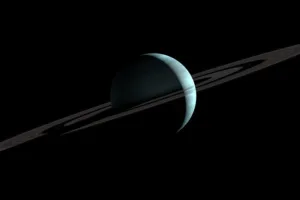
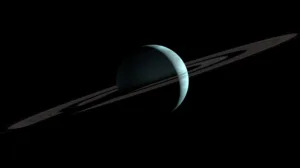
- Saturn: Known for its stunning rings, Saturn is a joy to observe due to its unique appearance.
Observation Tips
-
Choose the Right Time:
The best time for planetary observation is during the evening or early morning when the planets are above the horizon and not obscured by twilight. Use planetarium apps to check when planets will be visible[^2]. -
Find a Dark Location:
To reduce light pollution, seek locations away from city lights. National parks, beaches, or rural areas make excellent observation points. -
Use Star Charts and Apps:
Modern technology has simplified star gazing. Star charts can help you locate planets along the ecliptic, or you can download apps like SkySafari or Stellarium that offer real-time celestial mappings.
Equipped for Observation
While you can see many planets with the naked eye, certain tools can enhance your viewing experience. Binoculars, telescopes, and even cameras can be employed to provide upgraded perspectives.
The Role of Binoculars
Binoculars are an excellent first step for budding astronomers. They can provide a closer view of planets, allowing you to see details that are invisible to the naked eye[^3]. Look for binoculars with a higher magnification for the best results. A set with an aperture of 50mm or more will do wonders for low-light observation.
The Benefits of Telescopes
For those who want a more immersive experience, telescopes open up new depths in planetary observation. Through a telescope, you can see rings around Saturn or the Great Red Spot of Jupiter[^4]. When choosing a telescope, consider aperture (the diameter of the lens), mount quality, and portability.
Using Cameras to Capture the Experience
Astrophotography has gained immense popularity. Capturing images of planets not only documents your experience but helps you identify them later. Modern digital cameras, especially DSLRs, offer settings that can be manipulated for celestial photography. Astrophotography can be quite technical, but the results can be breathtaking.
Understanding Planetary Movement and Phases
Planets undergo various phases and movements that can affect how they are observed. Understanding these cycles can dramatically improve your experience when stargazing.
Orbital Patterns
Each planet follows a unique orbital path around the sun and has distinct orbital periods. For example, Mercury completes its orbit in about 88 Earth days, while Jupiter takes about 12 Earth years[^5]. These differences influence when and how we can see them.
The Concept of Opposition
Planets can have varying visibility depending on their position relative to the Earth and Sun. When a planet is in “opposition”—positioned directly opposite the Sun from Earth—it is at its best visibility. This is particularly true for outer planets, such as Mars and Jupiter. Knowing when these events occur can help you plan your observations effectively.
Leveraging Conjunctions
Conjunctions occur when two astronomical objects align within the sky. These events are often visually spectacular and are great opportunities for observation. Pay attention to calendars and astronomical events to catch such alignments[^6].
Special Events and Phenomena
Exciting celestial events often heighten the planetary observation experience. These events can range from transits to eclipses and more.
Transits
A transit occurs when a planet passes directly between Earth and the Sun, making it appear as though it’s moving across the solar disc. Venus and Mercury are the only two planets for which transits can be observed. These events are rare, often occurring only a few times in a century, and are well-worth planning for.
Eclipses
Solar and lunar eclipses can greatly enhance the beauty of the night sky. During total lunar eclipses, for instance, the Moon can appear strangely colored, making for a fascinating observation[^7].
Meteor Showers
While meteor showers are not direct planetary observations, they can boost your stargazing experience. Many meteor showers occur when Earth passes through debris left by comets, which can enhance the wonder of your evening under the stars.
Engaging with the Astronomy Community
Joining astronomy clubs or online communities can enrich your experience as you learn from others and share knowledge. Many clubs organize meetings and observation nights, providing valuable resources for both beginners and experienced astronomers.
Online Resources
Platforms like Cloudy Nights or Reddit’s r/astronomy offer vibrant discussions and resources where you can learn about planetary identification, equipment recommendations, and more[^8].
Workshops and Events
Keep an eye out for local workshops and events. Many observatories conduct outreach programs, which often include night sky observation sessions and guided tours, allowing you to learn alongside experts.
Conclusion: Embrace the Cosmic Journey
Planetary observation is more than just a hobby; it’s a bridge connecting us to the cosmos. With the right tools, techniques, and knowledge, you can easily begin your celestial journey. So pack your binoculars or telescope, head to a dark location, and spend an evening marveling at the celestial neighbors that illuminate our night skies. Embrace the adventure, and let every observation enrich your understanding of the universe and your place in it[^9].
[^1]: Understanding the significance of planetary observation fosters appreciation for our solar system.
[^2]: Planetarium applications significantly enhance stargazing by simplifying celestial navigation.
[^3]: Binoculars offer a more intimate view of celestial bodies, enhancing the observational experience.
[^4]: A quality telescope opens up new dimensions in planetary and deep-sky observation.
[^5]: Planetary orbits and positions significantly influence when and how they can be observed.
[^6]: Celestial conjunctions are visually spectacular and provide unique observation opportunities.
[^7]: Eclipses add a thrilling aspect to night sky observation and create memorable experiences.
[^8]: Engaging with astronomy communities enriches your learning and observation experiences.
[^9]: Planetary observation nurtures a connection to the universe and deepens our understanding of the cosmos.








Add Comment