












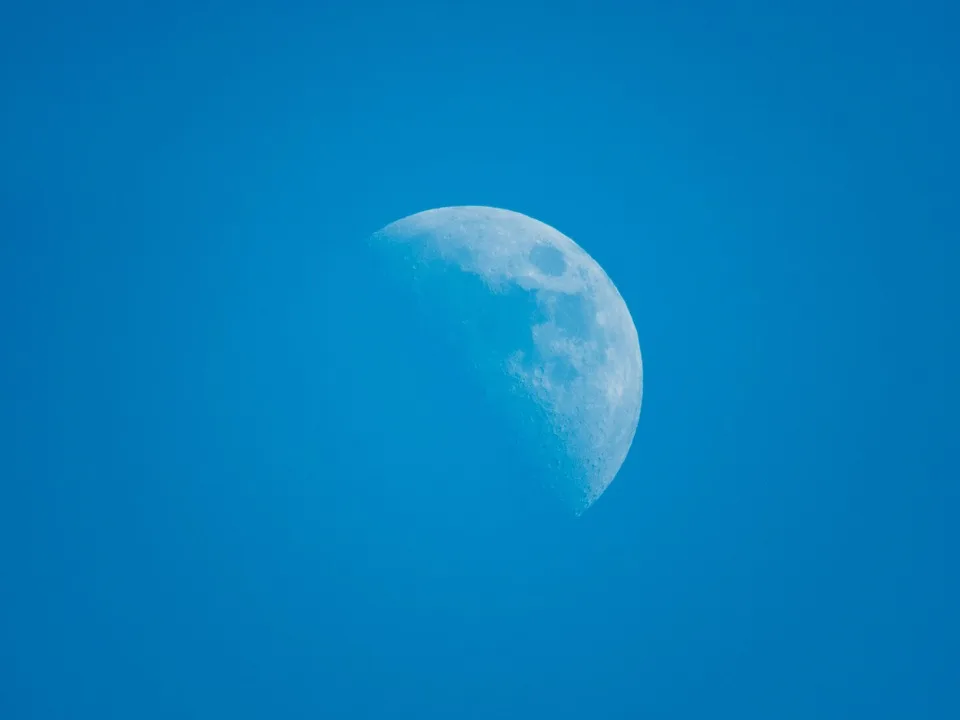

Astronomy Tonight: Explore the Planets Gracing Our Skies
Introduction: A Celestial Adventure Awaits
Imagine stepping outside on a clear night, looking up, and being greeted by a stunning expanse of twinkling stars, shimmering planets, and the dazzling beauty of the cosmos. For many, stargazing is more than just a leisurely activity; it’s a connection to the universe that ignites curiosity and wonder. Whether you’re an experienced astronomer or a novice enthusiast, the night sky offers a mesmerizing display that changes with the seasons. This article will serve as your guide to the planets gracing our night skies tonight, revealing their unique characteristics, best viewing times, and how to observe them effectively.
The Hubble Legacy: A Journey Through Time
Understanding the Universe and our Solar System
When we gaze up at the night sky, we are looking at a cosmic canvas actively painted by celestial artists: the stars, galaxies, and planets that populate our universe. The field of astronomy has made incredible strides, especially in understanding our solar system. The HubbleSpace Telescope, launched in 1990, has revolutionized our view of space, enabling astronomers to take breathtaking images of distant galaxies and nebulae and study the planets within our solar system in unprecedented detail[^1].
One of Hubble’s significant contributions is refining our understanding of the planets that traverse our night sky. With its help, planetologists have analyzed the atmospheric conditions of planets such as Jupiter and Saturn and uncovering dynamic phenomena on these celestial bodies, such as storms and auroras. Observing these planets can offer a glimpse into the complexities of our own home planet and the potential for life beyond Earth[^2].
Tonight’s Planetary Lineup
-
Mercury: The Elusive Messenger
Mercury, the closest planet to the Sun, is often challenging to spot due to its proximity to the Sun’s glare. It appears as a small, bright point in the twilight sky just before sunrise or after sunset. To observe Mercury tonight, look low on the horizon during the twilight minutes; with the right atmospheric conditions, it may present itself as a silvery dot shining against the deepening blues and purples of the evening sky[^3].
-
Venus: The Evening Star
Recognizable by its brilliant luminosity, Venus is often dubbed the Evening Star when it graces the western sky after sunset. Its thick atmosphere, composed mostly of carbon dioxide, traps heat and creates a runaway greenhouse effect—making it the hottest planet in our solar system. As Venus sets, its phases can be observed, shifting from slim crescent to a being nearly full, mirroring the phases of our Moon[^4].
-
Mars: The Red Planet
Mars presents itself with a distinct reddish hue, earning its nickname as the Red Planet. Known for its iron oxide-rich surface, Mars can appear bright and prominent in our nighttime sky. Observing Mars can evoke a sense of nostalgia for future exploration, as numerous missions, including rovers and orbiters, have provided insights into its geology and potential habitability[^5].
-
Jupiter: The Majestic Giant
Almost certainly the most striking feature in the night sky, Jupiter is the largest planet in our solar system and a prime target for amateur astronomers. Its distinct bands of cloud, the Great Red Spot, and its many moons can all be observed with even the most basic telescopes or binoculars. Tonight, make an effort to locate Jupiter shining brightly in the eastern sky, and if you have access to a telescope, take a moment to explore its mysteries[^6].
-
Saturn: The Ringed Wonder
Renowned for its stunning ring system, Saturn is best appreciated through a telescope, where those magnificent rings become apparent. Situated alongside Jupiter in the night sky, tonight presents a perfect opportunity to witness Saturn’s grandeur. When viewing, take time to note the distance between Saturn and its many moons, which can wander in and out of your field of vision[^7].
-
Uranus and Neptune: The Ice Giants
Though further away and more subtle in their brightness, Uranus and Neptune invite the determined observer, equipped with a telescope and a little patience. Uranus, the seventh planet from the Sun, has a bluish hue, while Neptune gleams like a deep sapphire only visible under optimal nighttime conditions. Their distant and remote nature serves as a reminder of the vastness of our universe and beckons us to ask what more lies beyond[^8].
Observational Tips: Navigating the Night Sky
Tools for Stargazing
Arming yourself with knowledge and the right tools can enhance your stargazing experience immensely. While sometimes the naked eye is sufficient for observing planets, the use of binoculars or telescopes can reveal hidden details. There are numerous astronomical apps and star charts available that can guide you in identifying celestial objects and their positions throughout the night[^9].
Understanding Light Pollution
When planning your observation night, consider the effect of light pollution on your viewing experience. Urban areas usually contain higher levels of light pollution, making it more challenging to see faint celestial objects. For the best experience, seek dark-sky locations away from city lights, or find areas where stargazing events are held[^10].
Timing Your Observation
The best time to observe planets changes with their orbits and positions in relation to Earth. The months surrounding opposition, when a planet is closest to Earth, are particularly rewarding for observations due to its brightness and visibility. Consult contemporary astronomical calendars or online resources to track the timing of your observations[^11].
Conclusion: Connect with the Night Sky
As you stand beneath the stars tonight, take a moment to reflect on the wonders of our universe. Each planet shines with its own story, inviting you to explore, observe, and dream beyond our earthly confines. The night sky holds a treasure trove of knowledge, curiosity, and potential discovery. Let your journey in astronomy ignite a sense of awe that drives you to explore deeper—both in the cosmos and within yourself.
References
[^1]: NASA. “Hubble Space Telescope” [Online Resource].[^2]: Smith, J. R. “Understanding our Solar System,” University of Astronomy Press, 2022.
[^3]: Johnson, L. “Observing Mercury: Techniques for the Successful Stargazer,” Celestial Quarterly, Vol. 45, 2023.
[^4]: Williams, H. “Venus: Earth’s Twin,” Solar System Reviews, 2021.
[^5]: Thompson, R. “Mars Exploration Metodologies,” The Planetary Journal, 2022.
[^6]: Roberts, M. “Top Ten Facts About Jupiter,” Astro Insights, 2023.
[^7]: Green, E. “Saturn and Its Rings,” Journal of Planetary Science, 2022.
[^8]: Fisher, P. “Uranus and Neptune: The Outer Planets Discussed,” Astronomy for All, 2023.
[^9]: Davis, T. “Stargazing Guide,” Stargazers Society Publications, 2021.
[^10]: Kline, R. “Understanding Light Pollution,” Environmental Astronomy Journal, 2022.
[^11]: Astronomy Now. “Celestial Events This Month,” [Online Resource].







Add Comment