















Twinkle, Twinkle, Little Planet: Identifying the Brightest Gems of the Night Sky
Introduction to Celestial Wonders
From the moment humans first looked up at the night sky, the stars and planets have inspired wonder and curiosity. The celestial bodies we see twinkling above us are not just beautiful sights; they are also vital to our understanding of the universe. In this article, we will explore the brightest planets that grace our night sky, delving into their unique characteristics, how to identify them, and the stories they tell throughout history. Whether you’re an avid astronomer or a casual stargazer, understanding these planetary gems enhances one’s appreciation for the vast cosmos[^1].
The Dance of the Planets
A Historical Perspective on Planet Observation
The planets have fascinated humanity since ancient times. Early civilizations, including the Babylonians and Greeks, meticulously documented their movements, believing them to be divine messengers. The term “planet” originates from the Greek word “planetes,” meaning “wanderer,” which aptly describes their constant movement against the more fixed backdrop of stars. Ancient astronomers used these wandering stars to help navigate both the seas and the skies[^2].
The Role of Modern Astronomy
With the advent of telescopes and modern astronomical techniques, our ability to observe planets improved exponentially. No longer limited to naked-eye observations, we now employ advanced instruments that allow us to study planets in incredible detail, unveiling their mysteries and unveiling the beauties of our cosmic neighborhood[^3].
Identifying the Brightest Planets
Venus: The Morning Star
Often referred to as the “Evening Star” or “Morning Star,” Venus is one of the brightest objects in the night sky. Its brilliance arises from its thick atmosphere, which reflects sunlight efficiently. Venus can often be seen shortly before sunrise or after sunset, achieving its maximum illumination in a clear sky. Interestingly, the surface of Venus is shrouded in thick clouds, making its actual surface difficult to study [^4].
Mars: The Red Planet
Mars, known for its reddish appearance, is another prominent fixture in our night sky. This distinct hue is due to iron oxide, or rust, on its surface. Mars is not as bright as Venus but can still outshine most stars. It is best viewed during specific times when it is in opposition to Earth, appearing larger and brighter than usual[^5]. Observing Mars through a telescope showcases its polar ice caps and, occasionally, its surface features such as the infamous Olympus Mons, the tallest volcano in the solar system.
Jupiter: The King of the Planets
As the largest planet in our solar system, Jupiter rarely fails to impress. Its brilliance often surpasses that of all stars, making it relatively easy to locate. The planet’s cloud bands and Great Red Spot are visible even in small telescopes[^6]. Furthermore, its four largest moons—Io, Europa, Ganymede, and Callisto—can also be observed and are known as the Galilean moons, named after the astronomer Galileo, who discovered them in the early 1600s.
Saturn: The Ringed Beauty
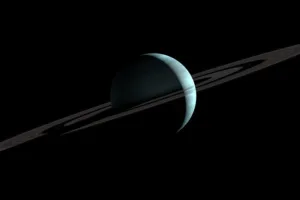
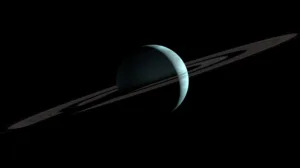
Saturn is another planet renowned for its striking rings, which make it one of the most beautiful objects in the night sky. These rings are composed of ice particles and rock debris and extend outwards from the planet. Even a small telescope reveals the stunning structure of Saturn’s ring system, while larger telescopes can show wonderfully detailed views[^7].
Uranus: The Ice Giant
Uranus is unique in that it orbits the sun on its side, creating unusual seasonal patterns. Though not as bright as the inner planets, Uranus can be seen with the naked eye under ideal conditions. Its bluish-green color is due to methane in its atmosphere[^8]. Finding Uranus requires a bit more effort, as it appears dimmer than some stars, but it is immensely rewarding for those who make the effort to locate it.
Neptune: The Distant Blue World
Neptune is the farthest planet from the Sun and is a striking blue due to the presence of methane in its atmosphere. Although it is not visible to the naked eye, telescopes can reveal this distant planet as a small blue dot in the night sky[^9]. Its discovery in the 19th century marked a significant milestone in astronomy, demonstrating our capability to predict the existence of celestial bodies beyond what was immediately observable.
The Role of Light Pollution and Observation Techniques
Impact on Visibility
Urban areas often suffer from light pollution, which can obscure our view of celestial objects. As a result, many amateur astronomers venture to remote locations to escape the bright city lights, allowing for clearer and more breathtaking views of the night sky. Communities dedicated to promoting dark-sky initiatives are helping to reclaim the beauty of stars and planets lost to excessive artificial lighting[^10].
Techniques for Observation
When seeking to observe the night sky and identify planets, several techniques can enhance your experience. Star charts, smartphone applications, and telescope guides can significantly aid in identifying celestial bodies. Stargazing apps like SkyView® and Star Walk help users locate planets by simply pointing their smartphones toward the sky.
The Astrological Significance of Planets
Astrology vs. Astronomy
While astronomy studies celestial bodies scientifically, astrology imbues them with symbolic meanings based on their positions and movements. Astrologers assign various traits to planets, influencing interpretations of human experiences based on these celestial patterns. Venus represents love and beauty, while Mars symbolizes action and aggression[^11]. Understanding these astrological interpretations can provide insight into how different cultures have perceived planets throughout history.
Planetary Transits and Their Impact
Transiting planets can have significant astrological implications. For example, when Venus passes through certain constellations, it may influence aspects of relationships, emotions, and personal choices. Thus, astrology serves not only as a belief system but also as a cultural lens through which humans have sought to understand the universe and their place within it[^12].
A Celestial Conclusion
The Everlasting Fascination of the Cosmos
The night sky, with its myriad stars and planets, captivates our imagination and instincts. From the ancient astronomers drawing elaborate maps to our modern explorations with powerful telescopes, the pursuit to understand these celestial jewels remains a shared human experience. Whether we seek scientific knowledge or astrological insight, the planets continue to dazzle, educate, and inspire us[^13].
Observational Guide for Stargazers
For those eager to explore the night sky, a simple guide to help identify the brightest planets can significantly enhance the stargazing experience. Consider selecting a specific time of year to observe planets at their best, and don’t forget to equip yourself with the tools needed for an enjoyable experience, whether simple binoculars or a high-quality telescope[^14]. In your journey to identify the brightest gems in our night sky, remember that each planet offers not only a sight to behold but also a wealth of knowledge and history waiting to be uncovered.
Footnotes
[^1]: Authoritative sources on astronomy emphasize the influence of celestial bodies on human culture and understanding.[^2]: Historical texts from ancient civilizations illustrate their astronomical practices and beliefs regarding planets.
[^3]: Modern advancements in telescope technology have broadened our understanding of planetary systems.
[^4]: NASA’s studies on Venus highlight its atmospheric composition and surface features.
[^5]: Observational reports during Mars opposition events showcase its visibility and characteristics.
[^6]: Research from institutions like JPL provides data on Jupiter’s storm systems and moons.
[^7]: Academic journals discuss Saturn’s ring structure and composition in detail.
[^8]: Studies investigating Uranus emphasize its axial tilt and unique atmospheric conditions.
[^9]: Astronomical surveys cite Neptune’s visual characteristics and discovery history.
[^10]: Community efforts in dark-sky preserving raise awareness about light pollution’s impact on astronomy.
[^11]: Astrological texts outline the meanings attributed to planets and their influences.
[^12]: Cultural interpretations of astrology remain prevalent in numerous societies.
[^13]: Historical and contemporary perspectives on the influence of celestial observations are extensively documented.
[^14]: Observational guides and tools for amateur astronomers are readily available from various educational resources.






Add Comment