













Planets on Parade: Tonight’s Must-See Celestial Bodies!
Discover the Wonders of the Night Sky
The night sky has always held a special allure for humanity, inspiring countless myths, stories, and scientific inquiries. Ever since our ancestors first gazed upward, the stars and planets have ignited our curiosity and imagination. Tonight, as the celestial sphere presents a vibrant display of planets, enthusiasts and casual stargazers alike will have an opportunity to witness a breathtaking “planets on parade.” This article aims to guide you through the essential details of tonight’s celestial showcase, highlighting the planets that will be visible, what to look for, and tips for enhancing your experience.
As the sun sets and darkness envelops the landscape, the planets will gradually emerge from their obscured hiding spots. Each planet, with its unique characteristics and distances from Earth, embodies a distinct charm. From the proximity of Venus, often called the “Evening Star,” to the spectacular rings of Saturn, this celestial gathering offers an engaging experience for everyone. Armed with binoculars or a telescope—or even just your naked eye—you will be able to marvel at these distant objects and feel a connection to the cosmos.
To fully appreciate tonight’s celestial alignment, understanding the positions and features of each visible planet is crucial. Celestial events don’t occur every evening, making this display a must-see. Astronomy enthusiasts can delve into the science behind the planetary configuration, while casual viewers can simply enjoy the beauty of the night. Whether you are huddled in your backyard or venturing to a local observatory, a night under the stars spent watching planets on parade is a memorable experience that transcends generations.
As we embark on this journey to explore tonight’s celestial bodies, let’s map out the visible planets in our night sky, share their fascinating characteristics, and provide tips to enhance your stargazing experience. Prepare your telescope, grab a warm blanket, and settle in for a thrilling evening filled with astronomical wonders!
Which Planets Are Visible Tonight?
As you gaze into the night sky, identifying which planets are on exhibit is the first step in appreciating the cosmic display above. The planetary visibility is dictated by their orbits and positions in relation to Earth and the Sun. During a parade, several planets align in such a way that they can be seen together, creating a striking sight.
-
Mercury: Often known as the elusive planet, Mercury will be near the horizon shortly after sunset. With a binocular or telescope, its small disc may be visible. As the closest planet to the Sun, visibility can be tricky due to its proximity, but tonight may grant a fortunate glimpse.
-
Venus: Known as the “Evening Star,” Venus will boast a significantly brighter glow compared to its celestial counterparts. This beauty shines brilliantly in the western sky shortly after sunset and is often one of the first points of light seen after dusk.
-
Mars: Tonight, Mars will be visible, characterized by its reddish hue. You can locate the Red Planet in the eastern sky, where it will rise conspicuously and maintain its visibility well into the night. Mars has fascinated observers for centuries, and tonight is no exception.
-
Jupiter: One of the largest planets in our solar system, Jupiter will be present in the southern part of the sky. Its brightness makes it easily identifiable, and through a telescope, you may catch glimpses of its famous bands and possibly some of its largest moons, namely Io, Europa, Ganymede, and Callisto—collectively known as the Galilean moons.
-
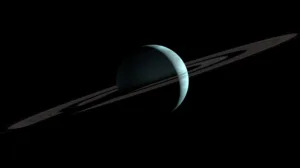
Saturn: The ringed beauty will grace the sky with its majestic appearance, best viewed through a telescope. Its magnificent rings are a sight to behold and will stand out among the other planets observed tonight.
-
Uranus and Neptune: Though more challenging to see without proper equipment, both Uranus and Neptune will be present in the celestial lineup. With the aid of star charts or apps, you can pinpoint their locations and appreciate the fact they’re within our solar system.
Each of these planets brings its charm to the parade, inviting people worldwide to observe and reflect on the fantastic universe we inhabit.
Tips for Stargazing Tonight
1. Choose a Dark Location: To make the most of your celestial experience, find a spot far from city lights and pollution. Natural settings like parks or higher elevations often provide the best vantage points. Take a moment to allow your eyes to adjust to the darkness, which can take around 20 minutes for optimal night vision.
2. Use Apps and Star Charts: Various apps can aid in identifying planets, stars, and constellations. Using augmented reality, these tools overlay information on your smartphone screen, making it easier to locate celestial bodies.
3. Bring Binoculars or a Telescope: While many planets are visible to the naked eye, binoculars or telescopes allow you to see intricate details like the rings of Saturn or the moons of Jupiter. Make sure your equipment is set up and properly focused before the sunset.
4. Gather with Friends and Family: Stargazing can be a deeply enriching experience when shared. Invite friends or family to join and share their thoughts and discoveries. Engaging discussions about the universe’s wonders can lead to deeper appreciation and connections during the event.
5. Document Your Experience: Consider keeping a journal or taking photographs of the planets you observe. Not only is it gratifying to capture the moment, but it can also deepen your appreciation for astronomy and enhance your knowledge over time.
The Significance of Planetary Alignments
Planetary alignments and parades have been a source of fascination throughout history. Cultures around the world have interpreted these events as omens, spiritual messages, or opportunities for scientific exploration. For instance, ancient civilizations often designed their calendars based on the movements of celestial bodies, linking agriculture with the cycles of the solar system.
Today, we understand these planetary phenomena through the lens of modern science. The alignment of planets presents unique opportunities for study. Observing them can yield valuable data on the planets’ atmospheres, surfaces, and other features. Astronomers regularly monitor planetary alignments, seeking to glean insights into the formation and evolution of our solar system.
Moreover, special events like tonight’s “planets on parade” inspire curiosity about the cosmos. They remind us how small we are in the vast universe and encourage individuals, especially young minds, to look up with wonder and seek knowledge about the skies above. Such experiences can spark a lifelong interest in astronomy and science, enriching humanity’s understanding of our place in the universe.
Conclusion: Join the Celestial Celebration Tonight
As the sun dips below the horizon, the planets will begin their celestial dance in the night sky, offering a stunning visual spectacle for anyone willing to look up. The lineup of Mercury, Venus, Mars, Jupiter, Saturn, and perhaps even Uranus and Neptune provides an exciting opportunity to engage in the wonders of astronomy. Don’t miss your chance to partake in this spectacular event—a “planets on parade” that reflects the beauty of the universe and the shared experience of humanity looking toward the stars.
Whichever planet catches your eye tonight, let it serve as a reminder of our interconnectedness—a reminder that we all share this beautiful world and expansive universe together. So, grab your blankets, gather your loved ones, and head outside to experience the magic of the night sky. Happy stargazing!
Footnotes:
- [1] “The Role of Planets in Nostradamus, Astrology, and Our Modern Perception.” Astronomy Magazine.
- [2] “Why Stargazing Matters: A Look at Its Cultural Significance.” Sky & Telescope.
- [3] “Tools and Resources for Stargazers: The Best Apps for Astronomy.” National Geographic.
- [4] “The Science of Planetary Alignments: Understanding Their Importance.” Astronomical Journal.






Add Comment