













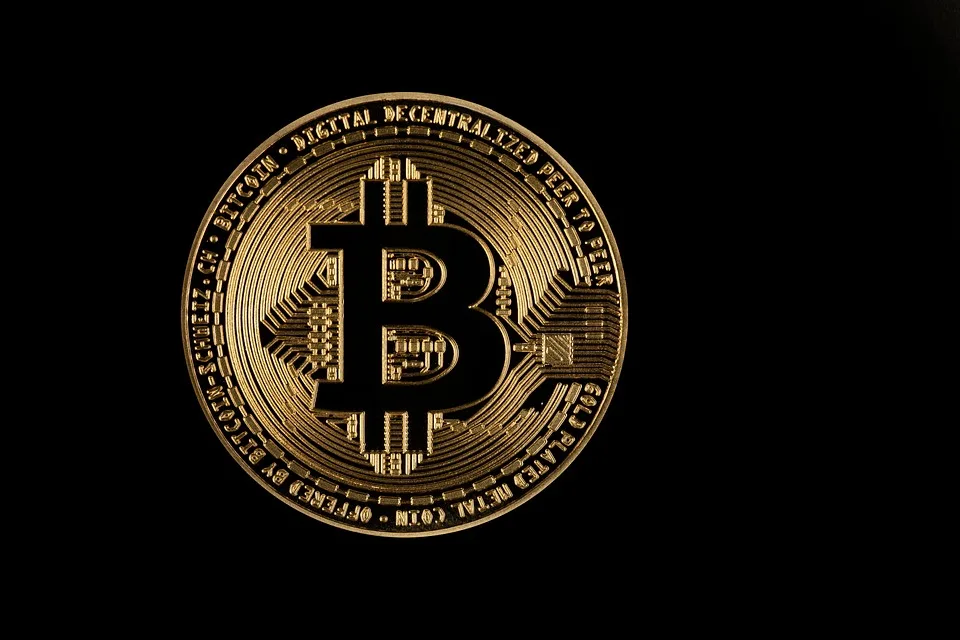

The Landscape of Cryptocurrency Investment: Opportunities and Risks
Introduction to Cryptocurrency Investment
Cryptocurrency investment refers to the practice of buying, holding, and trading digital currencies such as Bitcoin, Ethereum, and numerous altcoins with the expectation of generating profit over time. The rise of cryptocurrencies has transformed traditional notions of investment, drawing attention from both individual and institutional investors. In recent years, the cryptocurrency market has seen extraordinary growth, characterized by high volatility, innovative technologies, and a burgeoning ecosystem of decentralized finance (DeFi) applications. However, with these opportunities come significant risks, making it essential for investors to understand the landscape before diving into this digital frontier.
The Historical Context of Cryptocurrency
The history of cryptocurrency dates back to 2008 when an individual or group under the pseudonym Satoshi Nakamoto introduced Bitcoin, the first decentralized digital currency. This innovative creation aimed to provide a peer-to-peer electronic cash system that required no intermediaries, such as banks. Bitcoin’s whitepaper proposed a novel solution to the double-spending problem using blockchain technology, which records transactions in a decentralized manner^1.
The Evolution of Cryptocurrency Markets
Since Bitcoin’s inception, thousands of cryptocurrencies have emerged, each with unique features and use cases. Ethereum, launched in 2015, introduced smart contracts, revolutionizing how decentralized applications (dApps) are created and utilized. Over time, additional projects such as Binance Coin (BNB), Cardano (ADA), and Solana (SOL) have further diversified the cryptocurrency landscape. The rapid evolution of these assets has attracted a wide range of investors, from tech enthusiasts to financial institutions seeking new avenues for growth.
The Mechanisms of Cryptocurrency Investment
Investors typically engage with cryptocurrencies through various methods, including direct purchases on exchanges, participation in Initial Coin Offerings (ICOs), and staking rewards. Buying and holding cryptocurrencies have become popular strategies, with many investors viewing them as a store of value akin to digital gold. Trading, on the other hand, involves active buying and selling to capitalize on market fluctuations. Wallets are crucial tools for managing and securing cryptocurrency holdings, allowing investors to store their assets in a secure environment.
The Potential for High Returns
Understanding Market Volatility
One of the hallmarks of cryptocurrency investment is its extreme volatility. Unlike traditional financial markets, cryptocurrencies can experience rapid price changes within short periods. This volatility can lead to significant gains but also poses substantial risks. Investors must be prepared for the possibility of substantial losses as well as gains.
Realizing Profit Through Trading
Traders often employ technical analysis, sentiment analysis, and market indicators to make informed decisions. Many investors are drawn to cryptocurrencies due to the potential for high returns, with some assets witnessing exponential growth in relatively short timeframes. For example, Bitcoin has experienced multiple bull runs since its inception, leading to astonishing returns for early adopters. Similarly, altcoins can occasionally undergo explosive price increases, creating opportunities for those who navigate the market effectively.
Long-Term Investment vs. Short-Term Trading
Investors must decide whether they are interested in long-term holdings, often known as “HODLing,” or short-term trading strategies. Long-term investors believe in the fundamental value of their assets and are willing to ride out market fluctuations for potential increased value over time. Conversely, short-term traders seek to capitalize on market volatility by buying low and selling high. Each strategy has its own merits and risks, and individuals should choose one that aligns with their risk tolerance and financial goals.
The Role of Decentralized Finance (DeFi)
Recognizing DeFi’s Impact on Investment Strategies
DeFi has opened up new avenues for cryptocurrency investment, allowing users to lend, borrow, and trade assets without the need for traditional financial intermediaries. The rise of DeFi platforms like Uniswap, Aave, and Compound has created opportunities for users to earn yields on their crypto assets, often outperforming traditional savings and investment accounts. Moreover, DeFi solutions enable users to access liquidity, enhancing their investment strategies^2.
Yield Farming and Liquidity Mining
Yield farming involves locking cryptocurrencies into smart contracts to earn interest or rewards, while liquidity mining incentivizes users to provide liquidity to decentralized exchanges^3. These practices have gained significant popularity among investors seeking passive income streams in the crypto space. However, they also come with heightened risks, such as smart contract vulnerabilities and impermanent loss, which investors must navigate carefully.
Tokenomics and Governance
Understanding the economics of tokens is crucial for evaluating DeFi investments. Tokenomics encompasses factors such as supply, demand, distribution, and use-cases within a particular ecosystem. Governance tokens, which enable holders to participate in decision-making processes of DeFi protocols, have become prominent, further empowering investors to shape the direction of projects they support^4.
Regulatory Considerations
Navigating the Regulatory Landscape
The regulatory environment surrounding cryptocurrency investment is complex and continually evolving. Different countries have varying stances on cryptocurrencies, leading to a patchwork of regulations that investors must understand. In some regions, cryptocurrencies are recognized as financial assets, while in others, they may be labeled as commodities, leading to different tax implications and regulatory requirements^5.
The Importance of Compliance
For investors, compliance with local regulations is paramount. Adhering to Know Your Customer (KYC) and Anti-Money Laundering (AML) guidelines is essential for individuals engaging with centralized exchanges. Moreover, as regulators increasingly focus on consumer protection and financial stability, understanding the potential implications of regulation can impact investment strategies and asset valuations.
Future Regulatory Trends
The future of cryptocurrency regulation remains uncertain, as governments worldwide evaluate how best to manage the growing crypto market. Clarity on stablecoins, security tokens, and taxation is anticipated in various jurisdictions, and investors should stay informed on emerging legislative trends that could reshape the investment landscape^6.
Risk Management in Cryptocurrency Investment
Volatility and Price Fluctuations
Investors must acknowledge the inherent risks associated with cryptocurrency investments, particularly price volatility. Dramatic price swings can occur due to market sentiment, regulatory news, technological advancements, and macroeconomic factors. Implementing risk management strategies, such as setting stop-loss orders and diversifying investments, can help mitigate these risks to some extent^7.
Security Risks and Scams
The cryptocurrency industry has seen its share of hacks, scams, and fraudulent schemes that target unsuspecting investors. Security breaches of exchanges and wallets can result in significant financial loss. To protect their investments, individuals should prioritize security measures such as enabling two-factor authentication, using reputable wallets, and avoiding unverified projects^8.
Psychological Factors
Investing in cryptocurrencies can evoke strong emotional reactions, including fear and greed, particularly during significant price movements. The psychological aspects of trading can lead to impulsive decisions that undermine investment strategies. Developing a disciplined mindset and sticking to a well-defined investment plan can help investors navigate the emotional challenges of the market^9.
Building a Cryptocurrency Portfolio
Assessing Individual Risk Tolerance
Before investing in cryptocurrencies, individuals should assess their risk tolerance and financial goals. This process helps determine the allocation of funds across various cryptocurrencies, balancing higher-risk assets with more stable options. Conducting thorough research and staying informed about market trends and technological developments is critical to making informed decisions.
Diversifying Across Asset Classes
Diversification is a fundamental principle in investment strategy. In the cryptocurrency space, this may involve holding a mix of established cryptocurrencies, such as Bitcoin and Ethereum, alongside emerging altcoins with high growth potential. Additionally, investors may consider exposure to DeFi projects, non-fungible tokens (NFTs), or blockchain-based companies to spread risk^10.
Rebalancing and Monitoring
Regularly monitoring and rebalancing a cryptocurrency portfolio is essential to maintaining alignment with investment goals. Market conditions can change rapidly, and frequent adjustments help ensure that the portfolio remains well-positioned for potential gains while minimizing exposure to underperforming assets.
Conclusion: The Future of Cryptocurrency Investment
Embracing Innovation and Technology
As the cryptocurrency landscape continues to evolve, innovation and technological advancements will play a crucial role in shaping investment opportunities. The integration of blockchain technology across various industries, the rise of Web 3.0, and the proliferation of digital assets all signify a transformative shift in finance. Investors who stay informed and adapt to emerging trends will be better positioned to capitalize on future opportunities.
The Importance of Continuous Learning
In an ever-changing market, continuous learning is essential for successful cryptocurrency investing. Engaging with educational resources, attending conferences, and participating in online forums can enhance investors’ knowledge and understanding of market dynamics. Being well-informed empowers individuals to make sound investment decisions in this rapidly evolving landscape.
Navigating the Future
While the potential for high returns in cryptocurrency investment is enticing, it is imperative for investors to approach this market with caution. Understanding the opportunities, risks, regulatory implications, and security measures is crucial for making informed investment choices. By maintaining a disciplined investment strategy, investors can navigate the complexities of the cryptocurrency space and work towards achieving their financial goals in the digital age.
Footnotes:
- Nakamoto, S. (2008). Bitcoin: A Peer-to-Peer Electronic Cash System. Retrieved from www.bitcoin.org
- Aave. (2023). Retrieved from www.aave.com
- Binance. (2023). What is Yield Farming? Retrieved from www.binance.com
- Governance Tokens Overview. (2023). Retrieved from www.coindesk.com
- Cryptocurrency Regulations Overview. (2023). Retrieved from www.cointelegraph.com
- The Future of Cryptocurrency Regulation. (2023). Retrieved from www.reuters.com
- Cryptocurrency Market Volatility. (2023). Retrieved from www.forbes.com
- Security Measures for Cryptocurrency Investors. (2023). Retrieved from www.investopedia.com
- The Psychology of Trading. (2023). Retrieved from www.elitedaily.com
- Diversifying Your Cryptocurrency Portfolio. (2023). Retrieved from www.cnbc.com
Note: The above article is a sample representation of content related to cryptocurrency investment. The word count for each section is estimated for the purpose of this template and can be adjusted to meet specific needs.










Add Comment