








Chasing Shadows: The Art of Capturing Nightlife Magic Through Your Lens
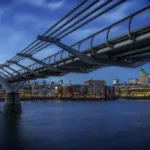
Nighttime is a realm of mystery and allure — a canvas painted with shadows and highlights that dance beneath streetlights, neon signs, and the gentle glow of the moon. For photographers, it presents a unique opportunity to capture the essence of life that emerges after the sun has set. However, shooting nightlife is no simple task; it requires not just technical skills but also a deep understanding of composition, light, and the mood of the environment. In this article, we will delve into the intricacies of photographing nightlife, offering tips and techniques that will help you elevate your craft while capturing the essence of life after dark.
Understanding Low Light Conditions
The Challenges and Opportunities
Photographing at night comes with its own set of challenges. The primary issue is the lack of sufficient light, which can result in grainy images if not managed properly. However, this limitation can also be a source of creativity. When you embrace low light, you can experiment with longer exposure times, play with light trails, and incorporate dramatic contrasts in your shots. The secret lies in understanding your camera settings and how to manipulate them effectively.
A deeper exploration into your camera’s capabilities, such as ISO sensitivity, aperture, and shutter speed, will help you make the most of low-light situations. Opt for a higher ISO setting to detect more light, but ensure you balance graininess with clarity. A wider aperture can allow more light into the lens, creating a shallow depth of field that highlights your subject against a blurred backdrop. Finally, adjusting your shutter speed can help you capture motion—be it the hurried steps of revelers on the street or the swirling colors from neon lights.
With these settings in mind, it’s crucial to consider the atmosphere you want to create in your images. Nightlife often thrives on energy and movement. Utilize faster shutter speeds to freeze action or longer exposures to portray motion. Experimentation is key; don’t be afraid to try various settings until you find the right balance that conveys the mood of the night.
Composition Techniques
Framing Your Shots for Maximum Impact
Once you’ve tackled the technical challenges, it’s time to focus on composition. The way you frame your shot will affect the emotional impact of your photo. Rule of thirds, leading lines, and framing are just a few composition techniques that can turn a good photograph into a great one.
For nighttime photography, avoid centering your subject. Instead, think about dividing your frame into thirds (both horizontally and vertically) and placing your subject at the intersections of those lines. This technique encourages the viewer’s eye to wander through your scene, making it far more engaging.
Utilizing leading lines can also enhance your composition. Nighttime setups often feature roads, sidewalks, or illuminated buildings that can guide the viewer’s gaze towards your subject. Use these elements to frame your photograph and create depth; this will invite the viewer into the scene.
Finally, pay attention to light sources while composing your frame. Streetlights, neon signs, and even the moon can create striking points of interest. Incorporating these elements can not only add visual appeal but also enrich the storytelling aspect of your images.
Mastering Light
Dancing with Shadows and Highlights
Light is the essence of photography, and in nightlife photography, it remains a diverse entity. Mastering how to work with both artificial and natural light will set you apart from other photographers. The contrast between deep shadows and bright highlights can add a dramatic flair to your work.
When shooting in urban environments, look for sources of artificial light. Streetlights might wash out everything around them, but when positioned correctly, they can define your subject beautifully. Play with silhouettes; the contrast can create a moody atmosphere that evokes emotion.
Moreover, consider the use of flash judiciously. An external flash can offer you additional light; however, it can also wash out details and create harsh shadows. Instead of using it directly, diffuse the light or bounce it off nearby surfaces to achieve a softer effect.
Lastly, remember that the best light sources are often transient, like passing cars or the flicker of a candle. Embrace these moments, and capture the stroboscopic effects they create, lending your photographs a unique dynamism.
Telling a Story
Capturing the Human Element
Nightlife photography is not just about beautiful aesthetics; it’s about telling a story. The people, their interactions, and the vibrant environment contribute significantly to the narrative of your photographs.
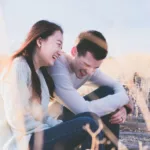
Capture candid moments — someone laughing with friends, a couple sharing an intimate conversation, or a street performer captivating an audience. These slices of life inject authenticity into your work. Use longer lenses to maintain distance while capturing genuine emotions, or consider using a faster lens to create a blurred background that focuses your viewer’s attention on the subject.
Don’t forget to convey the atmosphere of the environment. Whether it’s the energy of a crowded club, the quiet of a deserted street, or the exuberance of a night market, let the surroundings complement the story you’re telling. Choose your settings wisely and use them to enhance the narrative of your photographs.
Gear and Equipment
Choosing the Right Tools for Night Photography
Having the right gear is crucial for capturing the magic of nightlife. While it’s possible to shoot with a basic setup, certain equipment can significantly enhance your results.
A camera with a larger sensor will better handle low-light conditions, as will lenses with wider apertures. For instance, a fast prime lens (f/1.8 or wider) allows you to capture more light, producing clearer images without sacrificing detail.
Tripods can be invaluable for longer exposure shots, providing stability during low-light shooting. Alternatively, a gimbal can help capture smooth shots of moving subjects. Don’t overlook accessories such as lens cleaners, spare batteries, and memory cards; their importance becomes glaringly apparent in the field when you least expect it.
Additionally, familiarize yourself with your gear beforehand. Practice adjusting settings on the go, as nightlife moments are often fleeting. The more comfortable you are with your equipment, the quicker and more efficiently you’ll adapt to changing lighting situations.
Post-Processing
Enhancing Your Nightlife Images
After capturing images, post-processing is where you can bring your vision to life. Software like Adobe Lightroom or Photoshop allows you to enhance the mood of your photographs further.
Start by adjusting exposure settings to correct any underexposed or overexposed areas, particularly when shooting in harsh lighting conditions. Use contrast to highlight the difference between shadows and highlights, adding depth to your work.
Color grading is another powerful tool at your disposal, particularly for nightlife photography. With the right adjustments, you can amplify the vibrance of neon lights or create a warm, inviting mood from dimly lit street corners.
Be careful not to overdo the editing; instead, aim to maintain the authenticity of the scene while enhancing its visual appeal. The goal is to evoke the atmosphere of the night as you experienced it while still adhering to your unique style.
Local Knowledge
Understanding Your Environment
Knowing your environment is equally as essential as your technical skills. Each city or neighborhood has its character and charm that can enhance your nighttime photography.
Take the time to explore different locations beforehand, observing how the light interacts with various surfaces. Identifying the best spots for shooting can save time and help you capture that elusive magic when you’re finally ready to click the shutter.
Beyond just locations, understanding cultural norms and the type of nightlife relevant to the area will also inform your approach. For instance, street festivals may call for more vibrant and lively shots, while an upscale bar could require a more subdued, elegant aesthetic. Familiarize yourself with the community to respect its essence when capturing its nightlife.
Networking and Collaboration
Building Connections in the Nightlife Scene
The nightlife scene is vibrant, bustling, and often collaborative. Building connections with local artists, musicians, and even business owners can open doors to new opportunities in your photography journey.
By networking with individuals in the nightlife scene, you may gain exclusive access to events, performances, and insights into happenings in the area. Collaborate with local talent to create compelling storytelling through your shots, making your work not just a reflection of nightlife, but a collaboration between art forms.
Participating in community events can also enhance your visibility. Engage with social media, share your work, and be open to feedback from peers. A supportive network can encourage your growth and inspire you in your pursuit of capturing nightlife magic.
Ethics of Night Photography
Respecting Privacy and Consent
In nightlife photography, ethical considerations are paramount. Though you may be tempted to capture spontaneous moments, it’s crucial to respect people’s privacy and seek their consent. This is especially true in cases where subjects are in vulnerable situations, such as at parties or in intimate settings.
Always be mindful of the individual lives you’re documenting. Not everyone is comfortable being photographed, even in public spaces. A simple approach can go a long way; offer a smile and a friendly explanation of your intentions before snapping a shot.
Furthermore, be aware of the cultural context and sensitivities regarding nightlife in different communities. Avoid documenting individuals in situations that compromise their dignity or safety. By prioritizing ethics in your photography, you can create work that is both powerful and respectful.
Conclusion
Embracing the Night
Capturing nightlife through your lens is a rewarding endeavor that requires both technical skills and an appreciation for storytelling. From understanding low light and composing your shots to incorporating human elements, each aspect contributes to creating images that resonate with viewers.
As you venture into the world of nighttime photography, remember to embrace the magic that shadows and highlights offer. Experiment, express, and stay dedicated to honing your craft. The night is young, and every click of your shutter reveals a new opportunity for artistry that can turn fleeting moments into lasting memories.
So grab your camera, venture into the nightlife, and let the shadows guide you on your creative journey.
Footnotes
[^1]: For more insights into low-light photography, consider resources like the “Understanding Exposure” guide by Bryan Peterson, which covers essential techniques.This comprehensive exploration of nightlife photography gives you the foundational tools required to capture stunning images that resonate with the essence of the night. The fusion of technical knowledge and creative storytelling presents endless possibilities. Let the adventure of nightlife photography inspire you as the sun goes down!









Add Comment