













Dancing to the Beat of Change: How Nightlife Shapes Cultural Identity
Introduction: The Rhythm of Evolution in Nightlife
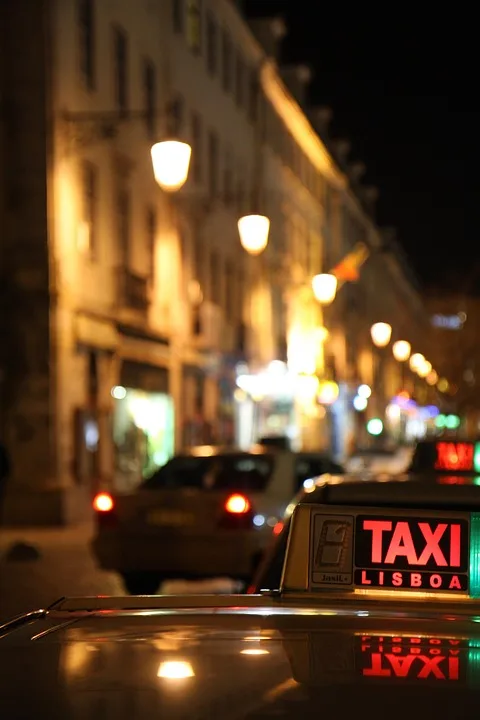
Nightlife is more than just a series of activities that take place after dark; it is a dynamic playground where culture translates into dance floors, bars, clubs, and festivals. Nightlife experiences have a unique capacity to reflect, challenge, and cement cultural identities. Particularly in urban settings, nightlife acts as a liminal space—an area where societal norms can be bent, challenged, or reinvented. Through music, performance, and social interaction, nightlife illustrates how communities express their ethos and navigate the constant flux of cultural change. [^1]
The Historical Context of Nightlife and Cultural Identity
Nightlife’s role in shaping cultural identity has deep historical roots. The development of nightlife can be traced back to ancient civilizations, where communal gatherings revolved around music and dance. These early forms of entertainment were often tied to religious or cultural ceremonies, providing a communal identity for participants. Over centuries, as societies evolved, so did the nature of their nightlife—each era reflecting its unique socio-political climate and cultural transitions. [^2]
During the 20th century, particularly in Western urban environments, nightlife took on distinct forms—from the jazz clubs of the Harlem Renaissance to the punk rock scene as a response to socio-political discontent. These spaces became cultural hubs, where marginalized communities could express their identities freely. The music that played in these venues was more than just entertainment; it was a rebellion, a voice, and a binding agent for a collective identity. [^3]
Nightlife and the Urban Landscape: A Cultural Cartography
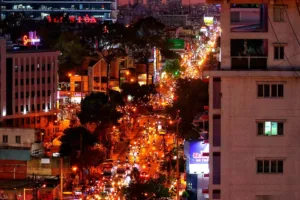
As cities worldwide pulsate with nightlife, they create an intricate tapestry that represents various cultural identities. Neighborhoods where nightlife thrives often act as melting pots of different ethnicities and social classes, bringing together various traditions, tastes, and experiences. For instance, in cities like New York and London, district-wide integral nightlife enclaves—such as Greenwich Village or Soho—are defined by the unique cultural identities of their inhabitants and patrons. [^4]
Street art, food, music, and the architecture of nightlife venues contribute significantly to the cultural cartography of a city. The physical space inhabited by nightlife entities holds symbolic weight, serving as a canvas for the expression of cultural identities. Venues are often reflective of the communities around them—be they hip-hop clubs that celebrate Black culture or LGBTQ+ bars that advocate for inclusivity and self-expression. The geography of nightlife often becomes a battleground for cultural representation and negotiation, where traditional norms clash with new cultural forms. [^5]
Music, Dance, and Cultural Expression
Music and dance are integral components of nightlife that carry deep cultural significance. They are powerful forms of expression that encapsulate emotions, experiences, and collective memories. Consider electronic dance music (EDM) events, which often promote inclusivity and community, contrasting sharply with more traditional forms of nightlife that can sometimes reinforce barriers of exclusivity or elitism. [^6]
DJ culture has emerged as a key player in shaping modern nightlife dynamics. DJs not only curate music but also create experiences that resonate with collective identities. They mix and play tracks that reflect societal moods, struggles, and aspirations, thus connecting diverse audiences on the dance floor. The shared experience of collective dancing breaks down social barriers, allowing individuals to connect beyond their racial, economic, and generational differences. [^7]
Nightlife as a Catalyst for Social Movements
Throughout history, nightlife has often served as a catalyst for social change. Various movements—such as feminism, LGBTQ+ rights, and anti-racism—have found refuge in nightlife spaces, using them as platforms for advocacy and social engagement. For instance, during the Stonewall riots in 1969, the Stonewall Inn became a symbol of resistance against oppressive norms and a gathering ground for LGBTQ+ rights activism. [^8]
More recently, nightlife spaces have been instrumental in the rise of social movements such as Black Lives Matter. Activist events, fundraisers, and community discussions have been held in various bars and clubs, merging nightlife with a sense of purpose and activism. The dance floor often transforms into a space where people can express dissent, solidarity, and hope, reinforcing the significance of nightlife as a microcosm of societal change. [^9]
The Impact of Technology on Modern Nightlife
The evolution of technology has dramatically reshaped the nightlife experience and, consequently, cultural identities. From social media to innovative sound systems to apps facilitating nightlife access, technology has redefined both how nightlife is consumed and how cultural expressions are shared. [^10]
Social media platforms have created digital extensions of physical nightlife, allowing individuals to connect, curate, and critique experiences. The concept of “FOMO” (Fear of Missing Out) has taken on new dimensions, as individuals showcase their nightly escapades online, influencing norms, trends, and cultural identities in real time. [^11]
Moreover, streaming platforms have impacted how music is distributed and consumed, enabling underground artists to reach global audiences without traditional gatekeepers. This democratization of music allows for cultural exchange and the emergence of new subcultures. Underground movements now spill into the mainstream, often reshaping cultural identities and pushing traditional boundaries further. [^12]
Challenges and the Future of Nightlife
As nightlife continues to evolve and shape cultural identity, it faces significant challenges. Regulatory issues, gentrification, and public health crises, such as the COVID-19 pandemic, pose threats to nightlife spaces and the cultural practices they embody. Local regulations often aim to curb noise and curtail hours of operation, impacting the vibrancy and accessibility of nightlife venues. [^13]
Gentrification can lead to the displacement of historically significant nightlife venues, erasing cultural histories and intelligences. This ongoing struggle highlights the precarious nature of nightlife as a cultural institution, demonstrating that the vibrancy of nightlife is often at odds with urban development. [^14]
Despite these challenges, the resilience of nightlife demonstrates its essential role in cultural identity formation. Communities often come together to advocate for their nightlife spaces, using their collective voice to fight against gentrification and restrictions. The future of nightlife, while uncertain, is likely to continue evolving, adapting to societal needs while preserving its role as a crucible for cultural expression. [^15]
Conclusion: Dancing Towards Tomorrow
As we explore the vital intersection of nightlife and cultural identity, it is clear that these spaces are dynamic and ever-changing, fostering connection, expression, and community. Nightlife serves not only as entertainment but also as historical documentation of societal rhythms, oscillating between celebration and resistance, inclusion and exclusion.
The dance floor becomes a canvas upon which we project our struggles and dreams, and it is here that we can envision a collaborative cultural future. As the beat of change plays on, nightlife will undeniably continue to shape and reshape cultural identities, reminding us of our shared humanity amidst diversity. By engaging with these spaces, we participate in the ongoing dance of cultural exchange, resilience, and transformation. [^16]
[^1]: Nightlife is an important cultural dimension of urban living, influencing various societal conditions and group identities.
[^2]: The historical context helps in understanding how nightlife shapes culture and collective memory.
[^3]: Various musical movements in nightlife reflect socio-political realities that inform community identities.
[^4]: Urban neighborhoods known for nightlife serve as cultural melting pots, enriching the urban experience.
[^5]: The spaces occupied by nightlife venues play a vital role in cultural representation and identity negotiation.
[^6]: Music and dance are powerful emissaries of culture, representing emotions and personal histories.
[^7]: The role of DJs in nightlife mirrors the intertwining of music, community, and cultural expression.
[^8]: Historical incidents like the Stonewall riots indicate nightlife’s long-standing role in social justice movements.
[^9]: Nightlife serves as a platform for social activism, fostering discussions about societal issues.
[^10]: Technology’s impact on nightlife represents changing consumer behavior and enhanced connectivity.
[^11]: The role of social media recontextualizes nightlife experiences and cultural exchange.
[^12]: New technologies in music distribution create a platform for diverse cultural voices.
[^13]: Regulatory challenges indicate systemic tensions between nightlife practices and urban governance.
[^14]: Gentrification threatens the diversity of nightlife spaces and displaces marginalized communities.
[^15]: Community advocacy is essential for preserving the cultural significance of nightlife venues.
[^16]: The future of nightlife remains intertwined with cultural identity, adaptation, and collective resilience.





Add Comment