













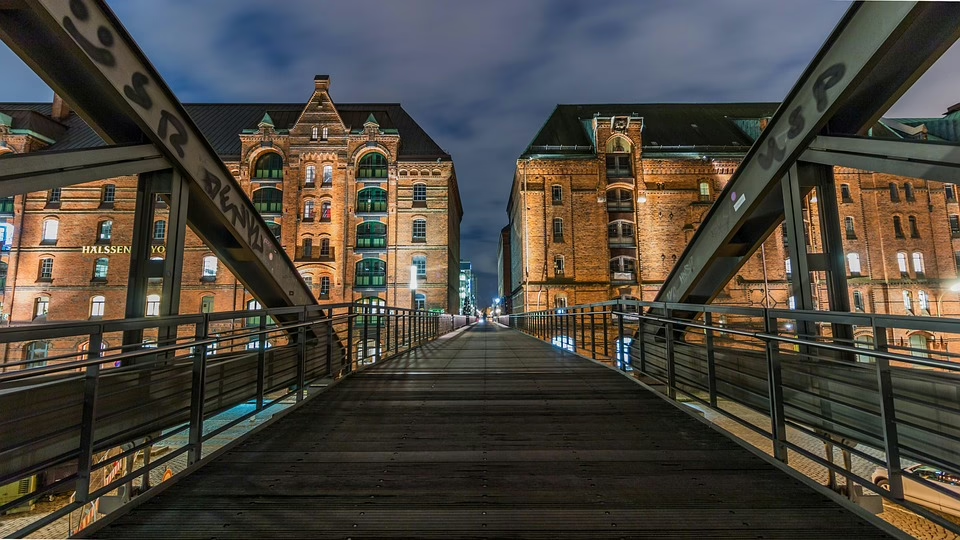

Exploring Banjul: A Traveler’s Guide to the Gambian Capital
Introduction to Banjul
Banjul, the capital city of The Gambia, is located on St. Mary’s Island at the mouth of the Gambia River. Despite its small size, Banjul is rich in history and culture, making it a hidden gem that deserves more attention from travelers worldwide. In this guide, we will explore the city’s vibrant markets, historic sites, and lush natural surroundings, providing you with insights to make the most of your visit.
A Brief History of Banjul
Banjul was founded in 1816 as a British colonial settlement, originally named Bathurst. The city served as a significant trading post, particularly in the slave trade until its abolition in the 19th century. Over the years, it has evolved into a bustling metropolis, embodying the diverse cultures that have influenced it. The city is a blend of traditional African roots and colonial architecture, offering travelers a unique perspective on the region’s history.
Getting to Banjul
Traveling to Banjul is relatively straightforward, with the Banjul International Airport serving as the main gateway. Direct flights link Banjul with several cities across Europe, making it a convenient destination for international travelers. Upon arrival, you can take taxi services or pre-arranged transfers to the city center. It’s advisable to negotiate taxi fares in advance, as prices can vary significantly.
Additionally, ferry services operate between Banjul and nearby towns, providing a scenic route to experience the river’s beauty. Exploring by ferry allows you to interact with local communities, offering a glimpse into daily Gambian life.
Where to Stay in Banjul
Banjul offers a variety of accommodations, ranging from budget guesthouses to luxury hotels. For travelers seeking a cultural experience, consider staying in one of the city’s charming guesthouses. These establishments often feature local decor and are run by friendly hosts who can provide invaluable insights into the area.
For a more upscale experience, several hotels near the beachfront provide stunning views and amenities like pools, restaurants, and spa services. Prices vary, so it’s wise to book your stay in advance, particularly during peak tourist seasons.
Must-See Attractions in Banjul
1. Arch 22
Arch 22 is Banjul’s most iconic landmark, dating back to 1996. Standing at a towering height, it commemorates the 1994 military coup and the leadership of Yahya Jammeh. Visitors can climb to the top for panoramic views of the city and its surroundings, making it a perfect photo opportunity. It’s an excellent starting point for understanding Banjul’s recent history and its socio-political landscape.
2. The Gambia National Museum
Located in the heart of Banjul, the Gambia National Museum is a treasure trove of artifacts that tell the story of the country’s rich cultural heritage. Exhibits include traditional clothing, musical instruments, and historical photographs. The museum also hosts events and workshops that engage the community, making it a dynamic space for learning and cultural exchange.
3. Albert Market
For an authentic Gambian experience, visit Albert Market. This bustling marketplace is filled with vibrant stalls selling everything from fresh produce to handcrafted goods. As you wander through the colorful aisles, you’ll encounter local vendors eager to share stories and offer samples of traditional Gambian dishes. Bargaining is expected, adding to the lively atmosphere.
Culinary Delights in Banjul
One of the highlights of visiting Banjul is indulging in its diverse culinary scene. The city is renowned for its flavorful dishes, often centered around rice, fish, and vegetables. Be sure to try local favorites like benachin (jollof rice), domoda (peanut stew), and freshly grilled fish from the Gambia River. Many restaurants overlook the river, providing a picturesque dining experience.
For a unique culinary adventure, consider participating in a cooking class where you can learn to prepare traditional dishes using local ingredients. This hands-on experience is not only enjoyable but also deepens your appreciation for the Gambian culture.
Exploring Banjul’s Natural Beauty
1. The River Gambia National Park
Just a short distance from Banjul, the River Gambia National Park is an ecological wonder. Covering an extensive area, the park is home to a diverse range of wildlife, including monkeys, crocodiles, and various bird species. Guided boat tours are available, allowing you to explore the park’s winding waterways while learning about its diverse ecosystems.
2. Bakau’s Beaches
While Banjul itself may have limited beach access, nearby Bakau boasts stunning sand beaches that are just a short journey away. Enjoy sunbathing, swimming, or engaging in various water sports. The beaches often feature local vendors offering fresh seafood, drinks, and handicrafts, making it a perfect spot to unwind after a day of exploration.
Cultural Experiences in Banjul
Traditional Music and Dance
Gambia is known for its rich musical heritage, and Banjul is a hub for traditional performances. Numerous local groups perform at festivals, community centers, and hotels, showcasing vibrant dances and rhythms that tell stories of Gambian life. Ensure you attend a live performance to immerse yourself in the cultural tapestry of The Gambia.
Local Festivals
Banjul hosts several festivals throughout the year, celebrating everything from traditional storytelling to religious observances. The International Roots Festival, held annually, is particularly notable. It commemorates the cultural exchange between Africa and the diaspora, featuring workshops, concerts, and exhibitions that explore this complex relationship. Participating in these festivals is a great way to connect with the local community and gain insight into their customs and traditions.
Tips for Travelers
- Language: While English is the official language, locals often speak various dialects, including Wolof and Mandinka. Learning a few basic phrases can enhance your interactions with residents.
- Currency: The Gambian dalasi (GMD) is the local currency. ATMs are available in Banjul, but it’s advisable to carry some cash, especially when visiting markets or small shops.
- Safety: Banjul is relatively safe, but standard precautions should be taken. Avoid walking alone at night and be cautious with your belongings in crowded areas.
- Respect Local Customs: Gambians are known for their hospitality and friendliness. Respect for cultural norms and traditions is vital, especially when interacting with local communities.
Conclusion
Banjul embodies a unique blend of history, culture, and natural beauty that offers an enriching experience for travelers. Whether you’re exploring the city’s historical landmarks, indulging in its culinary delights, or immersing yourself in its vibrant cultural scene, Banjul promises memories that will linger long after your visit. So pack your bags, and get ready to explore this captivating capital of The Gambia!
Footnotes:
[1] “A Brief History of Gambia.” Gambia National Museum.[2] “Traveling to Banjul: Tips and Tricks.” Travel Gambia.
[3] “Culinary Experiences in Gambia.” Gourmet Gambia.
[4] “Explore the River Gambia National Park.” Nature Guides.
[5] “Connecting with Culture: Festivals in Banjul.” Culture Gambia.






Add Comment