












Neon Nights: Illuminating the City’s After-Dark Vibes
A Glimpse into the Radiant Urban Landscape
As the sun dips below the horizon, cities transform, revealing a vibrant tapestry of lights and energy. The allure of nighttime urban landscapes, particularly those adorned with neon signage, captures the essence of a city’s after-dark culture. Neon lights, with their vivid hues and striking designs, have become synonymous with nightlife, mirroring the rhythm and pulse of metropolitan excitement. This article delves into the myriad aspects of these luminous nights, exploring cultural significance, artistic expressions, and social gatherings that shape a city’s identity once the daylight fades.
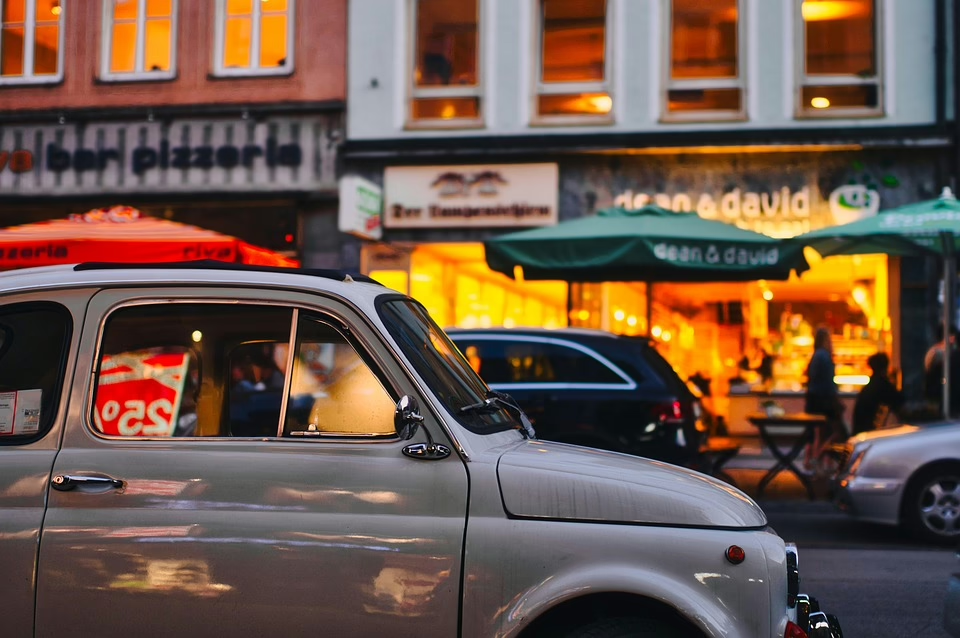
From bustling streets to dimly lit alleyways, neon signs provide a unique visual language that communicates both history and modernity. They invite patrons to enter restaurants, bars, and clubs, signifying a world of opportunities for social interaction and entertainment. In many cities, neon is more than just illumination; it represents a lifestyle, a moment of escapism from the daily grind, and an invitation to immerse oneself in the eclectic mix of urban experiences.
Historically, neon lighting dates back to the early 20th century, revolutionizing how businesses advertised their offerings. The iconic glow of neon has been immortalized in films, art, and even music, contributing significantly to the cultural fabric of cities worldwide. As you wander through districts known for their neon glow, such as Tokyo’s Shibuya, New York’s Times Square, or Las Vegas’s Strip, the vibrant colors and unique designs tell stories of the past while blending seamlessly with contemporary urban life.
This article aims to illuminate the effects of neon nightlife on culture and society, highlighting significant trends, notable destinations, and the experiences that define our understanding of ‘after-dark’ entertainment. By examining various facets of illuminated cities, we reveal how these neon nights shape not only our social landscapes but also our emotional and psychological connections to urban environments.[^1]
The Historical Significance of Neon Lights
The birth of neon lighting can be traced back to the early 1900s, developed by French engineer Georges Claude. His invention revolutionized advertising and urban aesthetics, bringing a new form of vibrancy and energy to urban landscapes. Neon signs quickly gained popularity in cities across the globe, symbolizing modernity and economic growth. By the 1920s, they adorned storefronts, theaters, and hotels, captivating the public with their enchanting glow.[^2]
Neon lights became emblematic of American culture, aligning closely with the Jazz Age and the subsequent rise of pop culture. The bustling streets of cities like New York and Los Angeles were filled with the glow of neon signage, marking locations of entertainment and leisure. These vibrant installations often became focal points in movies, art, and literature, conveying a sense of allure and excitement.
Over the years, neon has undergone several transformations. While traditional glass neon signs still evoke nostalgia, advancements in technology have led to the rise of LED alternatives. However, the aesthetic appeal and cultural significance of neon remain strong. The revival of vintage neon signs in recent years has sparked a renewed interest in this form of art. Cities have begun to preserve iconic neon signs that reflect their unique histories, ensuring that the essence of their luminous past remains alive for future generations.[^3]
In contemporary contexts, neon lights serve not just as advertisements but as integral components of urban design. They play a crucial role in creating atmospheres, drawing visitors, and providing a sense of place. Urban planners and designers have recognized the importance of neon illumination in shaping city identities, leading to vibrant neighborhoods filled with nightlife, art, and culture.[^4]
Exploring the Neon Districts
When one thinks of neon nightlife, certain districts globally stand out, each with its own unique charm and cultural identity. These areas serve as epicenters of urban energy, often transforming into bustling hubs after the sun sets. Let’s take a closer look at some iconic neon districts and how they embody the spirit of nightlife.
The Shibuya Crossing, Tokyo
Shibuya Crossing is arguably one of the most famous neon-lit areas in the world. The intersection, surrounded by large digital screens and bright neon signs, creates a mesmerizing tapestry of bright lights and movement. Beyond its visual appeal, Shibuya represents the heart of youth culture in Tokyo, overflowing with shops, restaurants, and entertainment venues catering to a vibrant crowd.
The neon lights here are not just for aesthetics; they play a functional role, guiding lost tourists and locals alike, contributing to the urban experience. Shibuya has become a popular backdrop for films and advertisements, further entrenching its status in global popular culture.
Times Square, New York City
Times Square is another iconic location where neon lights hold remarkable cultural weight. Known as “The Crossroads of the World,” this bustling square attracts millions of tourists annually. The dazzling array of neon advertisements and digital billboards creates an almost surreal atmosphere, embodying the relentless heartbeat of New York City.
The area serves as a major entertainment hub, hosting numerous theaters, shops, and restaurants. Neon has become synonymous with the excitement of Broadway, capturing the essence of live performances and the city’s vibrant nightlife. Times Square symbolizes aspiration and entertainment, where dreams often collide.
Las Vegas Strip
Las Vegas is famous for its opulent neon displays. The Las Vegas Strip blends luxury and entertainment, illuminated by cascading neon lights that beckon visitors to partake in extravagant experiences. From the famous “Welcome to Fabulous Las Vegas” sign to casinos adorned with dazzling light shows, the Strip exemplifies the core of neon culture and its connection to leisure.
Nightlife in Las Vegas is an experience in itself. With clubs, bars, and performances, the city resonates with energy and excitement. Neon has become more than just a light source; it’s an integral component of Las Vegas’s fantasy, drawing in visitors ready to indulge in its glitzy lifestyle.
The Artistic Aspect of Neon Lights
Neon lighting is not solely for functionality or advertising; it is also an art form that conveys emotions, thoughts, and ideas. Many contemporary artists and designers have embraced neon as a medium, using it to create installations that resonate deeply with viewers.
Neon Art Installations
Artistic neon installations can be found in galleries and public spaces, presenting themes ranging from personal narratives to social commentary. Artists utilize neon’s vibrancy to evoke feelings and provoke thought, often transforming spaces with their innovative designs. The interplay of color, light, and shadow creates dynamic visuals that can alter the perception of a space.
For instance, artist Dan Flavin is renowned for his minimalist installations that incorporate fluorescent and neon lighting. His work challenges conventional concepts of space and form, demonstrating how light can shape an environment. Similarly, other artists create immersive experiences that invite viewer interaction, blending art with nightlife.
The Role of Neo-Murals
The resurgence of street art has also seen the integration of neon lights, where murals come to life under illuminated colors. These neo-murals create vibrant urban canvases that not only beautify neighborhoods but also address community stories and issues. Illuminated street art fosters dialogue between artists and viewers, making statements about cultural identities and societal challenges.
In this way, neon not only illuminates but also enriches the urban experience, inviting us to engage deeply with our surroundings. As cities continue to evolve, the artistic aspect of neon remains a crucial element in redefining urban identity and promoting community connection.[^5]
The Social Dynamics of Nightlife
Neon nights encapsulate more than just illumination; they represent the social dynamics of evening gatherings. As cities bustle with life after dusk, the social interactions that unfold within these illuminated spaces reveal deep truths about human connections and culture.
Spaces for Connection
Bars, clubs, and lounges often utilize neon lights to create inviting atmospheres, drawing people together to socialize and relax. The allure of neon sets the tone for the evening, offering an ambiance that fosters connection and interaction. These spaces often serve as meeting points for friends and strangers alike, bridging gaps between communities.
The social dynamics at play in these neon-lit establishments contribute to the formation of friendships, relationships, and even networks. People share experiences, create memories, and connect through music, dance, and conversation—all enhanced by the vibrant backdrop of neon illumination.
Cultural Exchanges
Urban nightlife is a tapestry woven from various cultural influences. Neon districts serve as crossroads where different cultures converge, offering a unique opportunity for cultural exchange. Visitors from around the globe flock to these vibrant areas, sharing customs, traditions, and diverse worldviews.
In cities like New York, cultural fusion is palpable in restaurants, festivals, and nightlife experiences. This blending of cultures creates enriching interactions, allowing residents and tourists to discover each other’s backgrounds while indulging in city experiences.
Neon nights encapsulate the essence of urban life—where diverse narratives unfold amidst the backdrop of glowing lights, contributing to a richer collective consciousness.[^6]
The Future of Neon Nights
As urban landscapes evolve, so too will the role of neon in city identities. Advances in technology, environmental considerations, and changing cultural preferences will shape the neon scenes of the future. While traditional neon may see a decline, innovative forms of illumination and design will likely emerge.
Sustainable Innovations
Concerns about energy consumption and environmental sustainability are leading many urban planners to explore eco-friendly lighting alternatives. LED technology, for example, offers similar vibrancy to neon while consuming less energy and reducing carbon footprints. This shift may not only preserve the aesthetic appeal of neon but also aligns with the growing movement toward sustainability in urban planning.[^7]
Hybrid Experiences
The future may also witness hybrid experiences where digital and physical worlds intertwine. As augmented reality (AR) and virtual reality (VR) gain popularity, the interplay of neon lights with these technologies could redefine nightlife. Imagine a nightclub where visual experiences extend beyond physical boundaries, integrating AR-enhanced neon displays that transform spaces dynamically.
Preservation of Heritage
Despite the rise of new technologies, there will likely be a continued desire to preserve the heritage of traditional neon signage. Conservation efforts aimed at restoring iconic neon signs and installations will ensure that the cultural legacy remains intact even as cities modernize. These nostalgic reminders will serve as connections to city histories, enriching narratives in a rapidly changing urban landscape.
Conclusion: Embracing the Luminous Spirit
Neon nights illuminate more than just the urban landscape; they illuminate our social lives, cultural expressions, and the stories that define us. As cities continue to evolve, the significance of neon will undoubtedly persist, embodying the spirit of nightlife while inviting us to engage with our surroundings in deeper ways.
Whether through traditional signage, artistic installations, or emerging technologies, the vibrant allure of neon ensures that our evenings are filled with life, connection, and inspiration. These radiant after-dark experiences reflect the essence of urban culture and serve as reminders of the vibrant communities that thrive in the glow of neon lights. As we navigate the complexities of urban living, embracing the luminous spirit of the city at night will remain an integral part of our collective journey in the modern world.
[^1]: Historical evolution and impact of urban neon is elaborated through various urban studies.
[^2]: Georges Claude’s invention of neon lighting is well-documented in architectural history.
[^3]: Preservation efforts of iconic neon signs are being undertaken by many locals and art historians.
[^4]: Urban design models have increasingly incorporated neon for branding cities as lively cultural hubs.
[^5]: The artistic expression leveraged within neon has been dissected in contemporary art critiques.
[^6]: Cultural interactions formed in nightlife are a growing field within sociological studies.
[^7]: The exploration into sustainable lighting options is evolving within modern urban planning discussions.








Add Comment