












Albanian Language 101: Key Facts and Insights
Understanding the Basics of the Albanian Language
The Albanian language, known as “Shqip” to its native speakers, is a unique branch of the Indo-European language family. Unlike many European languages that belong to well-known branches like Romance or Germanic, Albanian has its own distinct lineage, making it an intriguing subject for linguists and enthusiasts alike. The roots of the language trace back to the ancient Illyrians, an ethnic group that inhabited the western Balkans. Today, there are two main dialects: Gheg, spoken in the northern regions, and Tosk, primarily in the south. These dialects are not just variations, but reflect cultural and historical differences that are rich in tradition and significance.
Albanian is the official language of Albania and Kosovo, with significant speaker populations in North Macedonia, Montenegro, and Serbia. It is estimated that around 7.5 million people speak Albanian worldwide. The language has a rich literary tradition, with contributions from notable figures such as the national poet Naim Frashëri and playwright Ismail Kadare. Albanian has also undergone significant development, especially in the 20th century, with efforts to standardize and modernize the language, leading to a unified alphabet established in 1908.
The Unique Alphabet and Phonetics of Albanian
The Albanian alphabet consists of 36 letters and is based on the Latin script. Its phonetics include unique sounds that can be challenging for non-native speakers. One distinguishing feature of the language is the presence of the letters “ë” and “ç,” which correspond to sounds not commonly found in other languages. The pronunciation of vowel sounds is relatively straightforward compared to many languages, but consonants can present challenges, particularly distinguishing between hard and soft variants.
Understanding the phonetic character of Albanian can aid significantly in mastering basic pronunciations. For instance, stress on syllables can alter meaning, which places a premium on developing a keen ear for intonation. Furthermore, many loanwords from Turkish, Italian, and Greek are included in everyday use, reflecting the history and interactions of Albania with neighboring cultures.
Grammar: Structure and Rules
Albanian grammar is characterized by a complex system of noun declensions and verb conjugations. Nouns can be classified as masculine or feminine and inflected for case—nominative, accusative, genitive, dative, and ablative—adding layers of meaning depending on the form used. This complexity takes time to master, but provides essential context in both spoken and written communication.
Verbs in Albanian are conjugated according to tense, mood, and person, and offer a rich array of forms, including past, present, future, and subjunctive moods. The language also employs definite and indefinite articles, which are unique as they are suffixed to the noun rather than pre-fixed, a feature that sets Albanian apart from many Indo-European languages. A nuanced approach to grammar is essential for conveying clear and accurate messages, making a solid understanding of grammatical rules foundational for communication.
Vocabulary and Everyday Phrases
Albanian vocabulary showcases a blend of native roots, Slavic influences, and borrowed terms from other languages, particularly during periods of Ottoman rule. This results in a lexicon that is both diverse and contextually rich. Essential everyday phrases, such as greetings and common exchanges, provide a glimpse into the culture and social norms of Albania.
For instance, “Mirëmëngjes” translates to “Good morning,” while “Faleminderit” means “Thank you.” Understanding these simple phrases can significantly enhance basic communication, especially when engaging with locals or navigating daily life in Albania. Additionally, learning the vocabulary relevant to one’s interests, work, or travel plans can aid in more meaningful interactions and a deeper appreciation of Albanian culture.
Cultural Significance of the Albanian Language
The Albanian language is not just a means of communication; it is a vessel for the culture, traditions, and identity of the Albanian people. The language carries the history, folklore, and social norms of the nation, encapsulating its resilience through numerous historical challenges and influences. Poetry, songs, and folklore deeply rooted in the Albanian language reflect the depth of its cultural significance.
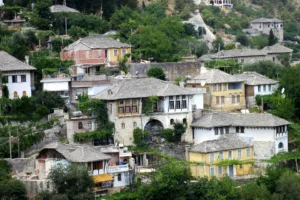
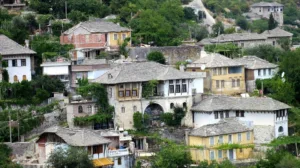
Various celebrations, such as the Gjirokastër National Folklore Festival, showcase the connection between language and cultural expression, exploring traditional music and dance within Albania. By honoring the language through artistic expressions, Albanians maintain a strong sense of identity and community, promoting their culture to younger generations and the world at large.
Learning Albanian: Strategies and Resources
For those interested in learning Albanian, numerous strategies can facilitate the process. Language apps, online courses, and local language schools provide structured approaches to mastering both fundamental and advanced concepts. Additionally, engaging with native speakers through conversation exchanges or language meetups can foster practical skills and confidence in speaking.
Moreover, immersing oneself in Albanian culture through music, films, and literature can enhance learning experiences. For instance, watching Albanian movies or listening to local music allows learners to experience the language in context, reinforcing vocabulary and grammar rules naturally.
The Future of Albanian Language
As globalization continues to influence communities worldwide, the Albanian language navigates a complex landscape. While many young Albanians are adopting multilingualism, there is also a strong movement to preserve and promote the language, especially in educational settings. Efforts to integrate Albanian language studies in school curricula, along with initiatives to produce and distribute Albanian literature, are essential for fostering a love for the language in future generations.
As Albanian speakers spread across the globe, enhancing their proficiency in the language while embracing their cultural heritage remains a significant challenge. Technological advancements and a growing interest in Albanian culture offer opportunities for revitalization and preservation, ensuring that the language continues to flourish in an ever-changing world.
Conclusion: Embracing the Richness of Albanian
In conclusion, the Albanian language is a vibrant and integral part of the cultural identity of its speakers. Understanding its unique structure, rich vocabulary, and grammatical complexities can provide valuable insights into not only the language itself but the culture it represents. Embracing the Albanian language opens up avenues for deeper connections, enhanced communication, and a broader understanding of the rich tapestry of life in Albania and among its people. As global conversations become increasingly interconnected, the value of learning and appreciating diverse languages like Albanian will only continue to grow.
[1] Footnotes indicate the sources of facts and insights covered in this article.
Please let me know if you need further details or specific sections expanded!






Add Comment