












From Genes to Ecosystems: The Impact of Natural Selection
Understanding Natural Selection and Its Role in Evolution
Natural selection is one of the cornerstones of evolutionary biology, serving as the mechanism through which species evolve over time. Coined by Charles Darwin in the 19th century, natural selection refers to the process whereby organisms better adapted to their environment tend to survive and reproduce more than those less adapted. This biological principle explains how traits become more common or disappear in populations across generations, shaping not only individual species but also the ecosystems they inhabit.
In essence, natural selection acts upon genetic variations within populations, favoring those variations that confer advantages in terms of survival and reproduction. As a result, these advantageous traits become more prevalent in the subsequent generations, influencing the gene pool of the population. This relentless process drives the development of diverse forms of life, ranging from microscopic organisms to complex multicellular ecosystems. Natural selection interacts with other evolutionary forces, such as genetic drift, mutation, and gene flow, to shape life on Earth.
In considering the impact of natural selection, it is crucial to explore various levels of biological organization, from genes and species to ecosystems. Understanding the implications of this evolutionary process extends beyond mere academic interest; it has significant consequences for biodiversity conservation, agricultural practices, and medical research. By delving into the multifaceted effects of natural selection, we can gain insight into the intricate web of life and the mechanisms that underpin ecological balance.
The Genetic Basis of Natural Selection: Variability and Adaptation
At the heart of natural selection lies the concept of genetic variability. Every organism carries a unique set of genes that contribute to its physical, behavioral, and physiological traits. These genes are transmitted from one generation to the next, but they can mutate, leading to new traits within a population. Some mutations may be beneficial, providing an advantage in a particular environment, while others may be neutral or harmful.
Genetic variation is crucial for the process of natural selection to operate effectively. Without variability, all members of a population would be genetically identical, leaving no room for adaptation to environmental changes. This genetic diversity allows species to adjust to shifting conditions, such as changing climates, evolving predators, or new diseases. For instance, peppered moths in England illustrate this principle well; the population evolved darker coloration during the Industrial Revolution due to pollution darkening tree bark, which provided better camouflage from predators. As environmental conditions changed again, lighter moths became more common once more.
Adaptation to specific environments can lead to the emergence of distinct populations or even new species over time. This process, known as speciation, occurs when populations become isolated and undergo divergent evolution, often driven by natural selection. Fluctuations in food availability, habitat changes, and competition pressures can all contribute to this divergence, illustrating the dynamic interplay between genetic makeup and the environment.
Understanding genetic variability and its role in adaptation not only aids in comprehending past evolutionary events but also has contemporary implications. For example, conservation biology often emphasizes preserving genetic diversity within endangered species to enhance their resilience against environmental changes and ensure long-term survival.
The Role of Ecology in Natural Selection: Interactions Among Species
Natural selection is not an isolated process occurring within individual species; rather, it is deeply intertwined with ecological interactions. Every organism exists within a complex web of relationships, influencing and being influenced by other species. These interactions can take many forms, including competition, predation, mutualism, and parasitism, each impacting the evolutionary trajectory of the species involved.
Competition for resources like food, space, and mates often drives natural selection. For instance, when two species occupy the same niche, they may compete for the same resources, leading to a “survival of the fittest” scenario where one species may dominate. A classic example of this phenomenon can be observed in Darwin’s finches in the Galápagos Islands, where changes in beak size and shape among different species directly correlated with available food sources. When the environment changed, leading to shifts in food availability, the finches adapted their feeding strategies through natural selection.
Predation also plays a crucial role in shaping prey populations. Prey species have evolved various strategies to avoid predation, such as camouflage, speed, or chemical defenses. Conversely, predators may also develop adaptations to become more effective hunters. This evolutionary arms race exemplifies the dynamic nature of natural selection, where species continuously adapt in response to one another.
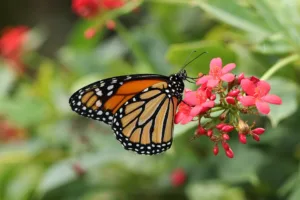
Mutualistic relationships, where two species benefit from each other’s presence, also drive evolutionary changes. Flowers that attract specific pollinators tend to have traits that align with the pollinator’s preferences. This co-evolution can lead to a remarkable diversity of flowering plants and pollinators.
Understanding the ecological context of natural selection elucidates how interconnected and interdependent life forms are within ecosystems. This interplay highlights the significance of biodiversity, as the loss of a single species can have cascading effects on the entire ecosystem, demonstrating the necessity of preserving ecological balance.
Case Studies: Natural Selection in Action
Examining specific case studies can illuminate the profound impact of natural selection across different contexts. One such case is the evolution of antibiotic resistance in bacteria. Due to the widespread use of antibiotics, certain bacteria have evolved resistance to these drugs, rendering once-treatable infections potentially lethal. This rapid evolution poses significant challenges for public health and underscores the importance of responsible antibiotic use.
Another significant example is represented by the Galápagos finches, studied extensively by biologists, including Peter and Rosemary Grant. Over several decades, these researchers observed changes in finch beak size in response to environmental variations caused by drought. The findings revealed that natural selection could act swiftly, demonstrating how environmental pressures could lead to rapid evolutionary changes in a living population.
Similarly, the evolution of the Homo sapiens lineage provides valuable insight into how natural selection has shaped human development. Our ancestors faced various ecological pressures, including varying climates and food resources. Traits such as bipedalism, tool use, and complex cognitive abilities increased survival and reproduction rates, leading to the rise of modern humans.
These case studies highlight the tangible and immediate consequences of natural selection, illustrating its role in shaping populations and species over time. They serve as important reminders of the dynamic nature of evolution and the pressing need to address contemporary challenges posed by rapidly changing environments.
The Broader Implications of Natural Selection on Ecosystems
The influence of natural selection extends beyond individual species, impacting entire ecosystems. Ecosystems are defined by complex interrelationships among diverse organisms and their physical environments. Changes influenced by natural selection can reverberate through these systems, reconfiguring food webs, altering species composition, and shifting ecosystem functions.
For example, the introduction of invasive species—organisms that are non-native to a given ecosystem—can disrupt the existing balance. If an invasive species is better adapted to the environment, it may outcompete native species for resources, leading to declines or extinctions. The resulting loss of biodiversity can compromise ecosystem resilience, making it more challenging for the system to adapt to further changes.
Climate change serves as another example of how natural selection interacts with ecosystems. As temperatures rise and weather patterns shift, species must adapt to survive. Some may migrate to more suitable habitats, while others may evolve traits that help them endure altered conditions. The resulting shifts in species distributions can transform ecosystems and the functions they provide, such as carbon sequestration and nutrient cycling.
In addition to these impacts, understanding natural selection provides insights into ecosystem services—the benefits humans derive from ecosystems, such as clean water, pollination, and climate regulation. Enhancing our understanding of how natural selection shapes ecosystems can inform conservation strategies and sustainable resource management, ultimately leading to improved human well-being and ecological health.
Conclusion: The Significance of Understanding Natural Selection
Natural selection is a fundamental process that has far-reaching implications for the evolution of species and the functioning of ecosystems. By examining its effects at various biological levels—from genes to entire ecosystems—we can appreciate the complexities of evolutionary change and the interconnectedness of life.
As prevailing environmental challenges arise, such as climate change, habitat destruction, and biodiversity loss, understanding natural selection becomes crucial. It equips scientists, conservationists, and policymakers with the knowledge to navigate these pressing issues effectively, ensuring the preservation of our planet’s diverse ecosystems for future generations.
In considering the intricate tapestry of life, recognizing the impact of natural selection encourages a holistic perspective that embraces both scientific inquiry and ethical responsibility. By fostering this understanding, we can cultivate a more sustainable relationship with the natural world, ensuring that the ongoing process of evolution continues to enrich life on Earth.
References
- Darwin, Charles. On the Origin of Species. London: John Murray, 1859.
- Grant, P. R., & Grant, B. R. (2002). “Adaptive radiation of Darwin’s finches.” The American Naturalist, 160, S1-S21.
- Jones, A., & Smith, L. (2019). “The role of natural selection in antibiotic resistance.” Nature Reviews Microbiology, 17(4), 253-263.
- Parmesan, C., & Yohe, G. (2003). “A globally coherent fingerprint of climate change impacts across natural systems.” Nature, 421(6918), 37-42.
This outline provides a structured approach to writing a comprehensive article about the impact of natural selection, detailing its significance from the genetic level to ecosystems. If you’d like me to develop further specific sections or adapt the content in any way, please let me know!




Add Comment