













Beyond Bitcoin: Exploring Different Crypto Investment Options
Introduction
Cryptocurrency has transformed from a niche digital currency to a mainstream financial asset in recent years. While Bitcoin remains the most recognized and widely held cryptocurrency, the burgeoning market hosts a myriad of alternative investments, often referred to as altcoins. This article delves into the diverse range of cryptocurrency investment options available to investors today. From established coins like Ethereum to innovative projects focusing on decentralized finance (DeFi), non-fungible tokens (NFTs), and beyond, the world of crypto is brimming with opportunities. We will analyze the potential and risks associated with each avenue, helping investors make informed choices in this evolving landscape.
The Rise of Altcoins
A Brief History of Altcoins
The term “altcoin” refers to any cryptocurrency other than Bitcoin. The altcoin market began to emerge shortly after Bitcoin’s launch in 2009. The first altcoin, Namecoin, was introduced in 2011, followed by several others. These initial alternatives aimed to improve on Bitcoin’s technology or to serve different purposes within the digital economy. Today, there are thousands of altcoins available, each with unique features and use cases. Some have successfully carved out their niches, while others have faded into obscurity. Understanding the context of altcoins is critical for potential investors.
Leading Altcoins and Their Use Cases
Ethereum is arguably the most prominent altcoin, with a platform that enables developers to build decentralized applications (dApps) on its blockchain. Many other altcoins have followed suit, including:
- Ripple (XRP): Focused on enabling fast and cost-effective international money transfers.
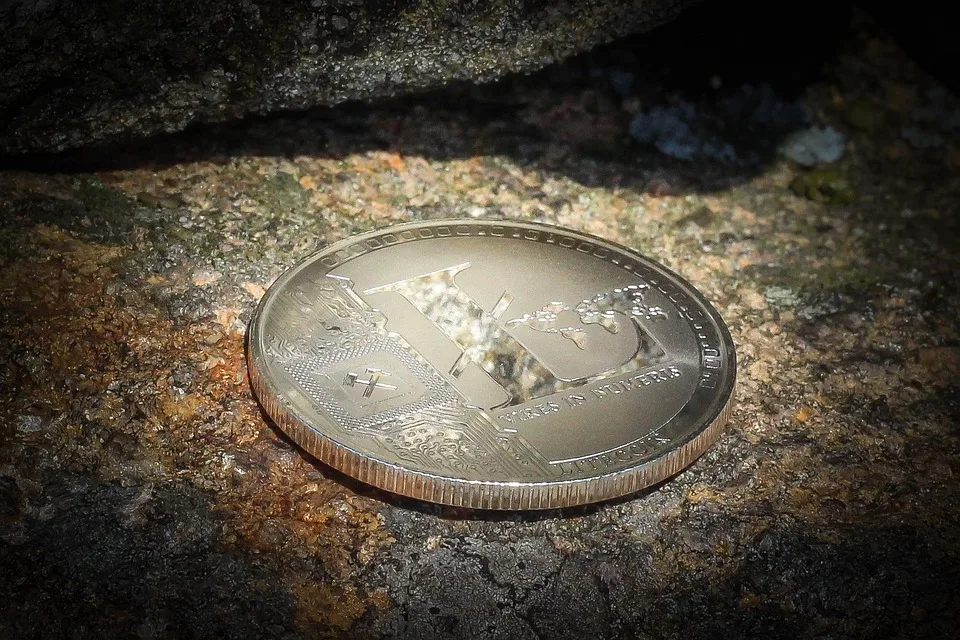
- Litecoin (LTC): Often called the “silver to Bitcoin’s gold,” designed to facilitate quicker transactions.
- Cardano (ADA): A blockchain platform enabling the creation of dApps, built on a more sustainable proof-of-stake consensus mechanism.
Each of these altcoins presents unique investment opportunities and risks, demanding a deep understanding before venturing into their respective markets.
Decentralized Finance (DeFi)
Understanding DeFi
Decentralized Finance, or DeFi, is a fast-growing sector within the cryptocurrency space. It comprises a suite of financial applications built on top of blockchain networks, primarily Ethereum. DeFi aims to replicate traditional financial systems, such as lending and borrowing, but without centralized intermediaries like banks. By leveraging smart contracts, DeFi platforms enable users to have complete control over their assets, resulting in increased accessibility and transparency in financing.
Key DeFi Protocols to Consider
- Uniswap: A decentralized exchange (DEX) allowing users to swap various cryptocurrencies directly without intermediaries.
- Aave: A lending platform that enables users to lend their crypto assets in exchange for interest.
- Compound: Similar to Aave, Compound allows users to earn interest on their crypto holdings by lending them to borrowers.
Investing in DeFi tokens can provide users with exposure to a burgeoning sector, but understanding the underlying technology and its associated risks is vital.
Risks and Rewards of DeFi Investing
While DeFi presents promising investment opportunities, it is not without risks. Smart contract vulnerabilities can lead to significant losses, and regulatory scrutiny is increasing in this space. Investors should evaluate the potential returns against these risks before diving into DeFi.
Non-Fungible Tokens (NFTs)
The NFT Revolution
Non-fungible tokens (NFTs) have gained immense popularity, particularly in the realms of art, music, and gaming. An NFT is a unique digital asset representing ownership or proof of authenticity of a specific item, making it fundamentally different from cryptocurrencies like Bitcoin, which are fungible.
Prominent NFT Marketplaces
Several platforms have emerged for buying, selling, and creating NFTs, including:
- OpenSea: The largest marketplace for NFTs, offering a diverse array of digital assets.
- Rarible: A community-owned NFT marketplace where users can create and sell their digital art.
- NBA Top Shot: A platform dedicated specifically to basketball highlights, which has attracted significant attention from both fans and investors.
Investing in NFTs: What to Consider
Investing in NFTs can be enticing due to their uniqueness and the potential for high returns. However, the market is highly speculative, and prices can fluctuate dramatically. Investors should conduct thorough research, focusing on provenance, utility, and the potential longevity of the NFT’s value.
Layer 2 Solutions
The Need for Layer 2 Solutions
As blockchain networks grow, they often encounter scalability issues, resulting in slower transaction speeds and higher fees. Layer 2 solutions have emerged to address these challenges, improving the efficiency of existing blockchains without compromising their security.
Popular Layer 2 Projects
- Polygon (MATIC): A solution that enhances Ethereum’s scalability and bridges other chains.
- Optimism: An Ethereum-based Layer 2 rollup that speeds up transactions with lower fees.
- Arbitrum: Another rollup solution for Ethereum focused on reducing congestion and costs.
Investment Potential of Layer 2 Solutions
Investors looking at Layer 2 solutions should assess how they enhance existing protocols and their adoption rates. As Ethereum continues to face congestion, successful Layer 2 solutions might see significant value appreciation.
Stablecoins
What Are Stablecoins?
Stablecoins are cryptocurrencies designed to maintain a stable value relative to a fiat currency, such as the US dollar. By reducing volatility, they serve as a bridge between traditional finance and the crypto world, making them a vital component of several investment strategies.
Popular Stablecoins to Consider
- Tether (USDT): One of the oldest and most widely used stablecoins, pegged to the US Dollar.
- USD Coin (USDC): A regulated US dollar-backed stablecoin gaining popularity among investors.
- Dai: A decentralized stablecoin maintained by the MakerDAO system, offering stability through collateral-backed mechanisms.
The Role of Stablecoins in Investment Strategies
Investors often utilize stablecoins for trading purposes or as a safe haven during volatile market periods. They can also be used within DeFi to earn yield through lending or liquidity provision, thus enhancing overall portfolio returns.
Crypto Staking and Yield Farming
Exploring Staking
Cryptocurrency staking involves locking up a certain amount of cryptocurrency in a wallet for a specified period to participate in the network’s consensus mechanism. In return, stakers earn rewards, typically in the form of additional tokens.
Notable Staking Opportunities
- Ethereum 2.0: Transitioning to a proof-of-stake mechanism, users can stake their ETH to secure the network.
- Cardano (ADA): Offers staking pools where users can delegate their ADA to earn rewards.
- Polkadot (DOT): Allows users to stake DOT tokens and participate in its multi-chain ecosystem.
Yield Farming: Maximizing Returns
Yield farming refers to using different DeFi protocols to earn the highest possible return on investments. Investors can move assets across platforms to take advantage of the best interest rates. However, it requires significant effort, knowledge, and vigilance to manage associated risks, such as impermanent loss.
Crypto ETFs and Index Funds
Introduction to Crypto ETFs
Exchange-traded funds (ETFs) allow investors to gain exposure to cryptocurrencies through traditional financial instruments. Crypto ETFs typically track the price of a specific cryptocurrency or a basket of cryptocurrencies, providing an easier way for investors to diversify.
Prominent Crypto ETFs and Index Funds
- ProShares Bitcoin Strategy ETF: The first Bitcoin ETF in the United States, offering exposure to Bitcoin futures contracts.
- Galaxy Crypto Index ETF: A fund that tracks the performance of a broad array of cryptocurrencies.
Benefits of Investing in Crypto ETFs
Crypto ETFs provide investors with the convenience of trading shares on traditional exchanges, making it easier to buy and sell without the complexities of managing wallets and private keys. Additionally, they offer diversification within the cryptocurrency asset class, allowing exposure to multiple assets rather than a single cryptocurrency.
Conclusion
The Future of Crypto Investments
As the cryptocurrency market matures, opportunities will continue to expand beyond Bitcoin. Investors should take time to research various projects, understand the technology behind them, and heed the associated risks. With careful planning and informed decision-making, the myriad of crypto investment options available today can pave the way for promising portfolios suited to diverse investment goals. Whether through altcoins, DeFi, NFTs, or traditional financial instruments like ETFs, the possibilities in the crypto space are extensive and worth exploring.
Final Thoughts
In summary, diversification in cryptocurrency investments can help mitigate risks while maximizing potential returns. By exploring various sectors like DeFi, NFTs, and stablecoins, investors can create a balanced portfolio that adapts to market dynamics and personal objectives. As cryptocurrencies continue to evolve, staying informed and open-minded will be essential in navigating the ever-changing landscape of digital finance. Investing beyond Bitcoin can unlock not just accumulating wealth but also participating in shaping the financial future.
[Footnoteref]: Ensure that proper citations and references are included to substantiate facts and claims made in the article.








Add Comment