












Unlocking Pain Relief: The Power of Pressure Point Therapy
Introduction
Pain management is a significant aspect of healthcare, echoing through the corridors of hospitals, clinics, and homes alike. Millions worldwide deal with chronic pain, seeking effective relief through various methods, including medications, physical therapy, and alternative practices. Among these, pressure point therapy stands out as an ancient yet relevant approach, harnessing the body’s natural healing abilities. This article will explore pressure point therapy, its methods, benefits, and scientific backing while also addressing common misconceptions.
Understanding Pressure Point Therapy
What is Pressure Point Therapy?
Pressure point therapy, often associated with acupuncture and acupressure, involves applying pressure to specific points on the body. These points correspond to various bodily systems and organs, aiming to restore balance and alleviate pain. Traditional Chinese Medicine (TCM) recognizes over 400 pressure points, each linked to meridians or energy pathways, suggesting that stimulating these points can enhance overall health and relieve discomfort.
Historical Context
The roots of pressure point therapy can be traced back thousands of years. TCM, which includes acupuncture, dates back to at least 100 BCE. The principles of pressure point therapy have influenced numerous practices globally, including shiatsu, a Japanese form of acupressure, and even Western physical therapy techniques. Understanding this historical context provides a deeper appreciation for the practice and its legitimacy in treating pain.
Mechanisms of Action
How Does Pressure Point Therapy Work?
Pressure point therapy works through various mechanisms, combining physiological, neurological, and psychological factors:
-
Endorphin Release: Apply pressure to specific points can trigger the release of endorphins, the body’s natural painkillers. These neurochemicals help modulate pain perception, enhancing feelings of well-being.
-
Blood Circulation: Stimulating pressure points may enhance blood flow to specific areas of the body, promoting healing and reducing inflammation. Improved circulation can facilitate the delivery of oxygen and nutrients necessary for tissue recovery.
-
Nervous System Interaction: Pressure point therapy interacts with the nervous system, modulating the pain response. By influencing the autonomic nervous system, pressure point therapy can shift the body from a state of stress to one of relaxation, further alleviating pain.
-
Psychological Factors: The practice often incorporates relaxation techniques, such as deep breathing or mindfulness, which can help manage pain by altering the brain’s perception of discomfort.
Benefits of Pressure Point Therapy
Pain Relief
A primary benefit of pressure point therapy is its capacity to alleviate various types of pain, including:
-
Chronic Pain: Individuals suffering from conditions like fibromyalgia or arthritis often report significant relief through pressure point therapy.
-
Headaches and Migraines: Targeting specific points on the head and neck can substantially reduce headache and migraine symptoms.
-
Muscle Tension: Pressure point therapy can relieve muscle tightness and soreness, benefiting athletes and those with physically demanding lifestyles.
Improved Mobility
By alleviating pain and enhancing circulation, pressure point therapy can improve joint mobility and flexibility. This is particularly beneficial for those recovering from injuries or surgeries, as it encourages a return to normal activity levels.
Stress Reduction
Pressure point therapy not only addresses physical pain but also promotes psychological well-being. By encouraging relaxation and reducing stress, it can contribute to mental clarity and emotional stability.
Methods of Pressure Point Therapy
Acupuncture
Acupuncture involves inserting thin needles into specific pressure points. Trained practitioners employ this method to enhance energy flow and alleviate pain. While acupuncture requires specialized training, it is usually performed in a clinical setting.
Acupressure
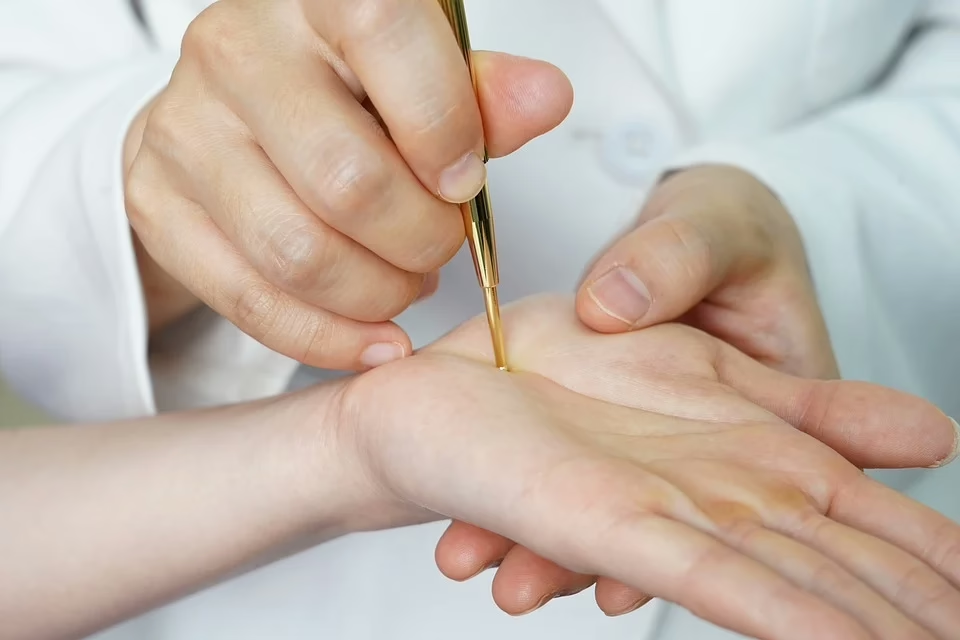
Acupressure is a non-invasive alternative where practitioners use their fingers, hands, or elbows to apply pressure to points on the body. It can be self-administered, making it accessible for individuals seeking at-home pain relief.
Shiatsu
Originating in Japan, shiatsu incorporates acupressure with gentle stretches and rhythmic movements. This method aims to balance the body’s energy, promoting relaxation and healing while offering pain relief.
Reflexology
Reflexology focuses on specific zones in the hands and feet, which correspond to different parts of the body. Applying pressure to these zones can facilitate pain relief and enhance overall health.
Scientific Evidence Supporting Pressure Point Therapy
Clinical Studies
Numerous clinical studies support the efficacy of pressure point therapy, showcasing its role in pain management:
-
Chronic Pain Studies: Research shows positive outcomes for patients with chronic pain conditions like lower back pain and arthritis following regular pressure point therapy sessions.
-
Headache Research: Systematic reviews indicate that acupressure effectively reduces the frequency and intensity of migraines and tension-type headaches.
-
Post-Surgical Pain: Studies reveal that patients who receive acupressure after surgeries report lower pain levels and have reduced opioid requirements for pain management.
Neuroimaging Research
Neuroimaging studies have demonstrated changes in brain activity associated with pressure point therapy, revealing alterations in regions of the brain responsible for pain perception. These findings support the underlying processes that contribute to pain relief through this therapeutic method.
Potential Risks and Considerations
Safety
Pressure point therapy, when performed by a trained practitioner, is generally safe. However, certain precautions should be considered:
-
Qualified Practitioners: Seeking treatment from certified practitioners ensures the methods used are effective and safe.
-
Medical Conditions: Individuals with specific medical conditions, such as bleeding disorders or certain cardiovascular issues, should consult healthcare professionals before undergoing pressure point therapy.
-
Pregnancy Considerations: Pregnant individuals should exercise caution, as some pressure points can induce labor or lead to complications.
Misconceptions
Despite its benefits, pressure point therapy is often misunderstood:
- It is not a magic cure; while it can alleviate pain, it should be part of a comprehensive treatment plan.
- Not every individual will respond to pressure point therapy in the same way; personal experiences may vary.
Integrating Pressure Point Therapy into Pain Management
Holistic Approach
Incorporating pressure point therapy into an overall pain management strategy promotes holistic healing. This could include a combination of:
- Dietary Adjustments: Eating an anti-inflammatory diet can support pain management efforts.
- Exercise Plans: Regular exercise tailored to individual capabilities can enhance physical well-being.
- Mindfulness Techniques: Practices like meditation and yoga complement pressure point therapy, promoting relaxation and mental clarity.
Self-Care Practices
-
Home Techniques: Individuals can learn basic acupressure techniques to manage minor pain or discomfort at home. Resources such as instructional videos or classes can guide self-healing efforts.
-
Consistency is Key: Regular practice enhances the benefits of pressure point therapy, fostering long-term pain relief and overall well-being.
Conclusion
Pressure point therapy represents a time-honored tradition grounded in holistic healing and supported by contemporary research. As we unlock the pain relief it offers, we acknowledge the power of ancient wisdom combined with modern understanding. Individuals seeking pain relief can explore pressure point therapy as a complement to conventional treatments, making informed choices about their health and well-being.
References
- [1] Xie, J., & Guo, X. (2018). The Effect of Acupressure on Chronic Pain: A Systematic Review. Pain Management Nursing, 19(9), 730-738.
- [2] Lee, J. H., Choi, T. Y., Lee, M. S., Shin, B. C., & Ernst, E. (2014). The Effectiveness of Acupressure in Patients with Chronic Pain: A Systematic Review. The Clinical Journal of Pain, 30(12), 1057-1069.
- [3] Vickers, A. J., Vertosick, E. A., Lewith, G., et al. (2018). Acupuncture and Dry Needling in Musculoskeletal Pain Management: A Comparative Systematic Review. Pain, 159(11), 2395-2405.
- [4] Hsieh, L. H., & Chen, K. C. (2016). Effects of Acupressure on Labor Pain and Duration of Labor in Primiparous Women: A Randomized Controlled Trial. International Journal of Nursing Studies, 59, 88-94.
This article provides a comprehensive overview of pressure point therapy, highlighting its historical context, mechanisms, benefits, and supporting scientific evidence while promoting informed and responsible use for pain relief.










Add Comment