












From Dinosaurs to Dandelions: Natural Selection Through the Ages
Introduction to Natural Selection
Natural selection is a foundational concept in biology, describing the process through which evolutionary change occurs. First articulated by Charles Darwin in his groundbreaking work, On the Origin of Species, the idea explains how species adapt to their environments over time. Through variations in traits, those best suited for survival and reproduction pass on their genetic material, leading to gradual changes in populations. This process is evident from the age of dinosaurs, which roamed the Earth millions of years ago, to today’s simple yet resilient dandelions. Understanding natural selection provides insights into the complexity of life and the interconnectedness of all organisms.
The Age of Dinosaurs: A Lesson in Adaptation
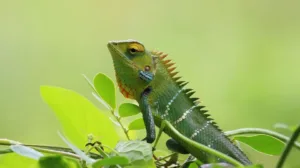
During the Mesozoic Era, dinosaurs dominated terrestrial ecosystems. Ranging from the towering Brachiosaurus to the agile Velociraptor, these reptiles showcased extensive diversity. Natural selection played a pivotal role in the evolution of various dinosaur species, shaping their physical traits and behaviors in manners that ensured their survival. For instance, herbivorous dinosaurs developed specialized teeth for processing tough vegetation, while carnivorous species evolved sharp teeth and powerful claws for hunting.
Changes in climate, geography, and food sources influenced the evolutionary path of these magnificent creatures. Additionally, external pressures, such as predation and competition for resources, drove the development of adaptive features. However, the mass extinction event approximately 66 million years ago dramatically shifted the trajectory of life on Earth. Understanding the adaptive strategies of dinosaurs helps illuminate how natural selection operates in different ecological contexts, laying the groundwork for subsequent evolutionary developments.
Small Beginnings: The Rise of Mammals
Following the dinosaurs’ extinction, mammals began to proliferate and diversify during the Cenozoic Era. This period witnessed significant evolutionary changes influenced heavily by natural selection. The extinction of the dinosaurs opened up ecological niches, allowing mammals to explore new habitats and adapt to various environmental conditions. From small, nocturnal creatures to large megafauna like woolly mammoths, mammals showcased incredible adaptability in form and function.
One of the noteworthy adaptations seen during this period was the development of warm-bloodedness, which provided mammals with the advantage of regulating their body temperature, leading to expanded activity levels and range. The evolution of specialized teeth correlated with diverse diets, from herbivorous species that developed grinding molars for tough vegetation to carnivorous ones with sharp canines for seizing prey. This evolutionary flexibility exemplifies the dynamic nature of natural selection, highlighting the continuous interplay between organism and environment over time.
The Impact of Climate Change on Evolution
As Earth’s climate has undergone drastic shifts over millions of years, so too have the organisms inhabiting the planet. Natural selection operates in response to environmental changes, driving species to adapt or face extinction. For instance, during periods of glaciation, ice sheets advanced, altering habitats and making survival more challenging for many species. Organisms that could adapt to colder climates were more likely to thrive, whereas those that could not faced extinction.
The impact of climate change extends beyond large-scale ice ages. Even contemporary shifts in climate have consequences for biodiversity. Species are forced to migrate, adapt, or risk extinction as their habitats change. Natural selection is at play on both micro and macro scales, continuously shaping the evolution of life. The adaptability of species such as the Arctic fox, which has developed a seasonal coat for insulation, exemplifies the ongoing evolutionary dance influenced by climate.
From Behemoths to Blossoms: The Evolution of Plants
Just as animals evolved in response to their changing environments, plants also showcased remarkable adaptability through natural selection. The transition from ancient forests dominated by giant ferns and large conifers to diverse ecosystems featuring flowering plants marked a significant evolution in plant life. The ability to reproduce quickly and utilize various pollinators led to immense diversification among flowering plants.
Take the example of dandelions, a humble yet resilient species. Dandelions exhibit several adaptations—such as wind dispersion of seeds and the ability to thrive in a variety of habitats. These traits, a product of natural selection, illustrate how even the simplest organisms can exhibit incredible evolutionary success. By understanding the evolutionary history of plants, we gain insight into the complex relationships that shape ecosystems and contribute to biodiversity.
The Role of Mutation in Natural Selection
While natural selection is often viewed as the driving force of evolution, it is the mutations in genetic material that provide the raw material for this process. Mutations can result from errors during DNA replication or environmental factors, presenting new traits that may confer advantages or disadvantages in an organism’s environment. Those mutations that enhance survival and reproductive success are more likely to be passed on to future generations, driving evolution forward.
An example of mutation-driven adaptation can be seen in the peppered moth during the Industrial Revolution. In polluted areas, darker moths were favored as they were better camouflaged against soot-covered trees. This change, driven by natural selection acting on a mutation in their coloration, exemplifies the role of genetic variation in evolutionary processes. Understanding the interplay between mutation and natural selection is essential for comprehending how species adapt and evolve over time.
Coevolution: The Interconnected Web of Life
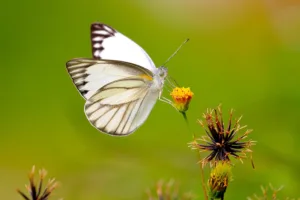
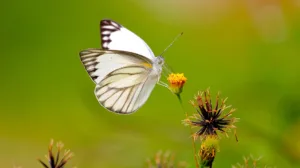
Natural selection often operates in intricate webs of interactions between species, leading to coevolution. This phenomenon occurs when two or more species reciprocally influence each other’s evolutionary trajectory. A classic example of coevolution is seen in the relationship between flowering plants and their pollinators. As plants develop specialized structures to attract specific pollinators, those pollinators may evolve further adaptations to exploit these floral traits.
The mutual benefits of such relationships enhance the survival of both parties, demonstrating the dynamism of natural selection within ecosystems. Additionally, coevolution often emerges in predator-prey dynamics, where adaptations for hunting or evasion evolve in tandem. Understanding coevolution provides a deeper appreciation for the interconnected nature of life and illustrates how natural selection operates not only at the level of individual species but also inter-specifically.
The Anthropocene: Human Impact on Evolution
With the advent of human civilization, the Earth entered a new epoch known as the Anthropocene. Humans have significantly altered ecosystems through urbanization, agriculture, and climate change, impacting natural selection processes. Species that historically thrived in certain environments face unprecedented changes, leading to shifts in their evolutionary trajectories.
For example, domesticated animals have undergone rapid changes through artificial selection, highlighting the impact of human choices on evolution. Similarly, wild species are forced to adapt to urban environments, leading to the emergence of new traits. The house sparrow, once a rural bird, now thrives in city settings, showcasing behavioral and physiological adaptations in response to urban pressures.
Human-driven changes prompt questions about future evolutionary pathways and the resilience of species in the face of rapid environmental shifts. By understanding these impacts, we can better appreciate our role in shaping the natural world and the need for conservation efforts to protect biodiversity.
Future Directions of Natural Selection Research
As our understanding of genetics and evolutionary biology advances, the study of natural selection continues to evolve. Modern technologies, such as genome sequencing and ecological modeling, allow scientists to explore the mechanisms driving evolutionary change with unprecedented detail. The potential for interdisciplinary research, integrating genetics with ecology, provides richer insights into adaptive evolution.
Future research may delve into the effects of climate change on species adaptations, the evolution of diseases, and the resilience of ecosystems under anthropogenic stressors. By focusing on long-term evolutionary trends and monitoring changes over time, scientists can better predict how natural selection will shape life in the coming years. The quest to understand the intricacies of evolution remains as relevant today as it was during Darwin’s time, offering a lens through which we can comprehend our place within the elaborate tapestry of life.
Conclusion: Embracing Our Evolutionary Past
The journey from dinosaurs to dandelions illustrates the incredible power of natural selection in shaping life on Earth. Through countless adaptations and evolutionary successes, species have navigated the complexities of their environments, forging a rich tapestry of biodiversity. Recognizing the ongoing nature of this process encourages a deeper appreciation for the interconnectedness of all living things.
As we stand on the precipice of evolving challenges in the Anthropocene, understanding natural selection prepares us for the future. It reminds us of the resilience and adaptability inherent in life, offering hope for the continued survival of diverse species. Embracing our evolutionary past not only enriches our understanding of biology but also urges us to consider our role as stewards of the planet, responsible for the preservation of the delicate balance that sustains all forms of life.
Footnotes:
[1] Darwin, Charles. On the Origin of Species. John Murray, 1859.
[2] Jablonski, David. “Extinction and Macroevolution.” Nature, vol. 325, no. 6104, 1987, pp. 165-167.
[3] Losos, Jonathan B., and Jonathan A. Schwartz. “Evolutionary Responses to Climate Change.” Biologial Reviews, vol. 84, no. 2, 2009, pp. 143-162.
[4] Grant, Peter R., and B. Rosemary Grant. “Natural Selection in Real Time.” American Scientist, vol. 92, no. 2, 2004, pp. 124-131.
[5] McKinney, M. L., and J. L. Lockwood. “Biotic Homogenization: A New Look at an Old Problem.” Global Ecology and Biogeography, vol. 13, no. 6, 2004, pp. 290-293.
[6] Raven, Peter H., and George B. Johnson. Biology. McGraw-Hill, 2002.
[7] Stroud, Ian. “The Implications of Climate Change for Environmental Evolution.” Trends in Ecology & Evolution, vol. 15, no. 8, 2000, pp. 364-366.
[8] Wiggins, R. D., and Katharine J. Yates. “The Role of Mutation in Evolutionary Biology.” Nature Reviews Ecology & Evolution, vol. 1, 2016, pp. 300-305.
[9] Thies, Michael, et al. “The Role of Human Activities in Evolutionary Processes.” Trends in Genetics, vol. 35, no. 4, 2019, pp. 245-254.
[10] Mayr, Ernst. What Evolution Is. Basic Books, 2001.





Add Comment