











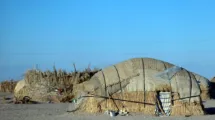



Bamako Unveiled: A Journey Through Mali’s Vibrant Capital
Exploring the Heartbeat of Mali
Bamako, the bustling capital of Mali, pulses with life, culture, and historical significance. Nestled along the banks of the Niger River, this vibrant city is a tapestry of diverse cultures, languages, and traditions. It serves as a melting pot where the past interacts with the present, creating a unique atmosphere that attracts both locals and visitors alike. From the rhythmic beats of traditional music echoing in the streets to bustling markets filled with vibrant textiles, Bamako offers a sensory feast for anyone willing to explore its depths. This article aims to unveil the hidden gems and iconic landmarks that make Bamako a captivating destination and delve into the rich history that has shaped this West African metropolis.
The Historical Legacy of Bamako
Bamako has a rich and layered history that dates back centuries. Originally a small village, the city grew in significance during the colonial era as it became a key trade center for the region. The French colonial influence is evident in the architecture and some cultural practices, but the city has retained its indigenous identity. The blend of these influences is palpable as one navigates through the streets, where colonial buildings stand juxtaposed against traditional mud-brick houses. This historical narrative is not just confined to the buildings but permeates the very culture of Bamako, making it an essential destination for history enthusiasts and curious travelers alike.
The Cultural Mosaic of Bamako
Bamako is a cultural mosaic reflective of Mali’s ethnic diversity. Home to over a dozen ethnic groups, including the Bambara, Malinke, and Dogon, the city serves as a cultural crossroads where various traditions intersect. This diversity is celebrated through numerous festivals, music events, and art exhibitions throughout the year. One of the most notable aspects of Bamako’s culture is its music scene, famous for the vibrant sounds of Griot musicians, who pass down stories through their melodic artistry. The city is also home to various dance troupes that perform traditional dances, further enriching its cultural landscape.
Markets: The Soul of Bamako
Walking through Bamako’s bustling markets is like stepping into a living museum where colors, sounds, and smells collide. The Grand Market is a must-visit, sprawling with stalls that sell everything from textiles and handicrafts to fresh produce and spices. The market is not just a place for shopping; it’s an experience where locals gather, share stories, and foster community ties. As you meander through the narrow pathways filled with vibrant fabrics and aromatic spices, you’ll also find artisans working on their crafts, offering a glimpse into the traditional techniques that have been passed down through generations. Each item tells a story and contributes to the rich tapestry of Bamako’s cultural identity.
Culinary Delights of Bamako
Malian cuisine is a flavorful reflection of its diverse cultures and agricultural bounty. In Bamako, food is more than sustenance; it’s a communal experience. Traditional Malian dishes such as jollof rice, peanut stew, and bou bou are enjoyed by locals and visitors alike. Street food stalls offer a variety of snacks, including meat skewers and fried doughnuts, that beckon you to indulge in the local flavors. Dining in Bamako often includes sharing meals, symbolizing a sense of community and togetherness that permeates the city’s social fabric. Exploring the culinary scene is an essential aspect of understanding Bamako’s vibrant culture.
Artistic Expressions in Bamako
Art is another vital component of Bamako’s cultural fabric. The city harbors a dynamic art scene characterized by a plethora of galleries, studios, and public art installations. Artists draw from the rich history and tradition of Mali, presenting contemporary interpretations of age-old themes. The Monument de l’Indépendance stands as a poignant symbol of the country’s fight for freedom and is often a focal point for artistic expression. Local artists and craftsmen provide a glimpse into how traditional art forms coexist with modern influences, making Bamako a treasure trove for art lovers and collectors.
Music: The Lifeblood of Bamako
Music is the lifeblood of Bamako, resonating through its streets and defining its cultural identity. The city is renowned for its diverse musical genres, including Wassoulou, blues, and jazz, reflecting both traditional and modern influences. Venues often feature live performances, boasting both local talent and international acts that come to experience the city’s vibrant music scene. Events like the Festival sur le Niger celebrate Mali’s rich musical heritage and provide a platform for artists to showcase their talent. This cultural significance of music transcends entertainment; it serves as a medium for social commentary and historical narration, capturing the essence of life in Bamako.
The Niger River: A Lifeline for Bamako
The Niger River is not only a geographical landmark but also a vital lifeline for Bamako and its people. It has played a crucial role in the city’s development, serving as a transportation route for goods and a source of livelihood for communities along its banks. The river has inspired numerous cultural expressions, from music to storytelling, and remains a gathering place for locals who enjoy fishing, bathing, or simply relaxing by the water. Efforts to sustain the river’s health are increasingly essential, as urban development threatens the delicate ecosystems that thrive along its shores.
Festivals of Bamako: Celebrating Life and Culture
Festivals in Bamako serve as a vibrant celebration of life, culture, and community. These events often showcase the rich traditions of the various ethnic groups residing in the city. The Festival of Masks and Traditional Arts highlights the spectacular craftsmanship of local artisans, featuring colorful masks that are integral to traditional ceremonies and dances. Other festivals, like the Bamako International Film Festival, spotlight the evolving cultural landscape and serve as a platform for filmmakers to share their stories. These festivals not only unite the community but also attract tourists, further enriching Bamako’s cultural vitality.
Sustainable Development in Bamako
As Bamako continues to grow, the importance of sustainable development becomes increasingly pressing. Rapid urbanization presents challenges, including environmental degradation and inadequate infrastructure. Local initiatives are underway to promote sustainability through community-based projects, focusing on education, sanitation, and eco-friendly practices. These efforts aim to enhance the quality of life for residents while preserving the rich cultural heritage of Bamako. Balancing development with sustainability is essential for ensuring that Bamako remains a vibrant and livable city for generations to come.
Conclusion: The Enduring Spirit of Bamako
Bamako is a city that embodies the spirit of resilience, creativity, and community. Its vibrancy is palpable in its streets, markets, and cultural expressions. Through its rich history, diverse cultures, and artistic endeavors, Bamako tells a story that transcends time. While challenges persist, the city’s commitment to preserving its heritage while embracing modernity reflects an enduring spirit that is both inspiring and inviting. A journey through Bamako is not merely a visit; it is an experience that enriches the soul, offering a glimpse into the heart of Mali’s cultural landscape.
[1] This article draws from various sources and observations gathered during trips to Bamako, providing insights into the rich cultural landscape and community spirit of Mali’s capital.








Add Comment