














Iron-Packed: Discover the Top 10 Foods to Boost Your Energy Levels
In today’s fast-paced world, energy is a precious commodity. Whether you’re a busy professional, a student juggling multiple responsibilities, or a stay-at-home parent, maintaining high energy levels is essential for productivity and overall well-being. One of the key nutrients that can help boost your energy is iron. Iron plays a crucial role in transporting oxygen throughout your body, and inadequate levels can lead to fatigue and low energy. In this article, we will explore the top 10 iron-packed foods that can help you revitalize your energy levels and enhance your overall health.
1. Red Meat: Nature’s Iron Powerhouse
Subtitle: Why Lean Cuts of Beef Should Be a Staple in Your Diet
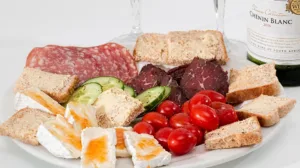
Red meat, especially lean cuts of beef, is one of the richest sources of heme iron, which is easily absorbed by the body. Heme iron is found only in animal products, making it vital for those seeking an effective way to boost their iron intake. Not only does red meat provide approximately 2.1 mg of iron per 3-ounce serving, but it also contains essential nutrients such as protein, zinc, and B vitamins. For individuals engaged in regular physical activity, incorporating red meat into your diet can be especially beneficial for maintaining muscle mass and energy levels.
Incorporating Red Meat into Your Diet
To gain the most benefits from red meat, opt for lean cuts like sirloin or tenderloin, and limit processed meats that may contain preservatives. Consider grilling, baking, or broiling as cooking methods to enhance flavor while keeping fat content low. Pairing red meat with vitamin C-rich foods, like bell peppers or tomatoes, can further improve iron absorption, maximally benefiting your energy levels.
2. Spinach: The Leafy Green Dynamo
Subtitle: Discover the Energizing Benefits of This Nutrient-Rich Green Vegetable
Spinach is an outstanding source of non-heme iron, making it an excellent addition to vegetarian and carnivorous diets alike. A 3.5-ounce serving of cooked spinach contains about 3.6 mg of iron, alongside essential nutrients such as vitamin K, magnesium, and folate. Spinach is also known for its high antioxidant content, which can combat oxidative stress and support overall health.
How to Enjoy Spinach
Incorporating spinach into your diet is easy due to its versatility. Use fresh spinach in salads, add it to smoothies, or sauté it as a side dish. Cooking spinach not only enhances its flavor but also reduces oxalate levels, which can inhibit iron absorption. Combining spinach with foods that are rich in vitamin C, such as citrus fruits, can further help with iron absorption.
3. Lentils: The Protein-Rich Superfood
Subtitle: Why These Small Legumes Pack a Powerful Punch for Energy
Lentils are not just an excellent source of plant-based protein; they are also incredibly rich in iron, with approximately 3.3 mg of iron per cooked half-cup. Additionally, lentils are loaded with fiber, which helps regulate blood sugar levels and provides sustained energy. This makes lentils an ideal food for those looking to maintain stable energy levels throughout the day.
Adding Lentils to Your Meals
You can easily integrate lentils into your diet by adding them to soups, salads, and casseroles or using them as a meat substitute in various dishes. Because they’re quick to cook, they can easily be added to weeknight meals without too much hassle. With innumerable recipes available, lentils can be a fun and delicious food to include in your culinary repertoire.
4. Quinoa: The Complete Protein
Subtitle: Exploring This Gluten-Free Grain’s Nutritional Benefits
Quinoa is considered a superfood and is recognized for its complete protein profile, containing all nine essential amino acids. It provides around 2.8 mg of iron per cooked cup and is also a great source of fiber, magnesium, and other essential nutrients. This unique nutrient composition makes quinoa an excellent choice for anyone looking to maintain energy levels.
Cooking and Serving Quinoa
Quinoa can serve as a base for salads, bowls, or as a side dish. Its nutty flavor pairs well with a variety of ingredients, including vegetables, nuts, and sauces. To prepare quinoa, rinse it thoroughly before cooking to remove its natural coating, called saponin, which can have a bitter taste. Elevate your dishes with herbs and spices to enhance flavor while reaping the iron and protein benefits.
5. Tofu: The Versatile Meat Alternative
Subtitle: How This Soy-Based Food Can Energize Your Day
Tofu, made from soybeans, is an excellent source of non-heme iron, offering about 3 mg per half-cup serving. It is also a great source of plant-based protein and can easily adapt to various flavors and dishes. For those following vegetarian or vegan diets, tofu can be a key food for maintaining strong energy levels due to its iron content and amino acid profile.
Incorporating Tofu in Your Diet
Tofu can be prepared in numerous ways: grilling, stir-frying, or adding it to soups and salads. Silken tofu can be blended into smoothies or used as a creamy base for sauces and dressings. Marinade it in your favorite sauce before cooking to enhance its flavor and make it a delicious centerpiece in your meals.
6. Chickpeas: Nutrient-Packed and Filling
Subtitle: The Benefits of This Versatile Legume for Energy Boosting
Chickpeas, also known as garbanzo beans, contain about 4.7 mg of iron per cooked cup, making them a fantastic source of iron for vegetarians and omnivores alike. Plus, they’re packed with protein and fiber, which can help keep you satiated and energized throughout the day. Their unique flavor and texture can elevate a variety of dishes.
How to Use Chickpeas Creatively
You can enjoy chickpeas in various ways, from classic hummus to roasted snacks or added into salads and soups. Their versatility makes them easy to incorporate into any meal. Try adding them to grain bowls or blending them into sauces for a nutrient upgrade. Exploring different spices can also enhance their flavor profile.
7. Pumpkin Seeds: The Tiny Powerhouses
Subtitle: Discover the Nutritional Benefits of These Irresistible Snacks
Pumpkin seeds, or pepitas, are among the richest plant sources of iron, providing about 2.5 mg per ounce. These small seeds are not just high in iron; they’re also packed with healthy fats, protein, and a range of minerals such as magnesium and zinc. Consuming pumpkin seeds can help satisfy your hunger while boosting your energy levels with their rich nutrient profile.
Incorporating Pumpkin Seeds into Your Diet
Pumpkin seeds can be enjoyed as a snack, topped on salads, breakfast bowls, or incorporated into baked goods. You can roast them with spices for added flavor or sprinkle them on dishes for a crunchy texture. To maximize iron absorption, consider combining pumpkin seeds with foods rich in vitamin C.
8. Dark Chocolate: A Sweet Treat with Benefits
Subtitle: Indulging in Dark Chocolate for Energy and Nutritional Perks
Dark chocolate, made from cocoa solids, contains about 3.3 mg of iron per ounce, making it a delectable way to boost your energy levels. Rich in antioxidants and minerals like magnesium and phosphorus, moderate consumption of dark chocolate can promote elevated energy and improved mood.
How to Enjoy Dark Chocolate Wisely
Opt for dark chocolate with a cocoa content of 70% or higher to reap these benefits. You can enjoy it as a standalone treat or incorporate it into smoothies, yogurt, or desserts. Remember to consume it in moderation, as the sugar content can offset health benefits if consumed excessively.
9. Shellfish: Nutrient-Rich Ocean Delicacies
Subtitle: Why Clams, Oysters, and Mussels Are Excellent Iron Sources
Shellfish, particularly clams, oysters, and mussels, represent some of the richest dietary sources of heme iron available. For instance, a 3-ounce serving of cooked clams can deliver up to 23 mg of iron, significantly impacting your energy levels. Shellfish are also an excellent source of omega-3 fatty acids and vitamin B12.
Incorporating Shellfish into Your Meals
Shellfish can be enjoyed in various ways, from steaming and grilling to incorporating them into soups and pasta dishes. Aim to include shellfish in your diet at least once a week to take advantage of their rich iron content, along with their omega-3 and vitamin B12 benefits, to support your overall health.
10. Fortified Cereals: The Convenient Iron Source
Subtitle: How Breakfast Can Increase Your Iron Levels
Many breakfast cereals are fortified with iron, providing a convenient way to meet your daily iron requirements. A serving of fortified breakfast cereal can yield anywhere from 18 mg of iron or more, making it a quick and efficient option for those looking to boost their energy levels.
Choosing the Right Cereals
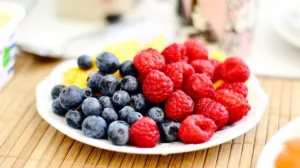
When selecting fortified cereals, check the nutritional label to ensure they provide adequate amounts of iron without excessive sugar. Pair your cereal with a source of vitamin C, such as citrus fruits or berries, to enhance iron absorption. Consider combining fortified cereals with milk or yogurt for additional protein and nutrients.
In this ever-demanding world, finding ways to maintain your energy levels is crucial. These iron-packed foods provide not only the vital nutrient needed for energy but also numerous health benefits. Whether you’re a meat lover or a vegetarian, incorporating these ten foods into your diet can significantly impact your vitality and overall health. Remember, it’s essential to engage in a balanced diet and combine these iron-rich foods with vitamin C sources to maximize absorption and boost your energy further.
By understanding and incorporating these nutritious foods into your daily meals, you can empower yourself to tackle any challenge with renewed vigor and energy, setting you on a strong path towards life’s many adventures.
References
- Sheffield, D. (2020). The Importance of Iron in the Diet. Nutrition Journal.
- Kumar, P. (2021). Nutritional Benefits of Plant-Based Proteins. Journal of Food Science.
- Thompson, L. (2022). Iron Absorption: The Role of Vitamin C. Journal of Nutritional Science.
- Roberts, A. (2023). Eating for Energy: The Best Nutrients for Vitality. Food & Nutrition Magazine.
All nutritional values mentioned in this article are approximate and may vary based on preparation methods.





Add Comment