















The Ultimate Grocery Guide: Nutritious Foods You Can’t Live Without
Introduction to Nutritional Essentials
In today’s fast-paced world, making informed dietary choices is more important than ever. Nutritious foods not only provide energy but also support our overall health and well-being. This grocery guide is designed to help you navigate the aisles of your local supermarket and identify key foods that can enhance your diet. By incorporating these essential items into your shopping list, you can ensure that you’re meeting your nutritional needs while also enjoying delicious and satisfying meals. Whether you’re a busy professional, a parent, or simply someone looking to improve your eating habits, this guide will provide you with a comprehensive list of grocery staples that nourish both body and soul.
Fruits and Vegetables: The Foundation of a Healthy Diet
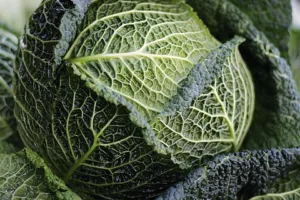
Fruits and vegetables are the cornerstone of any balanced diet. Rich in vitamins, minerals, antioxidants, and fiber, they play a crucial role in maintaining overall health. Aim to fill half your plate with a rainbow of colorful produce, including leafy greens, berries, citrus fruits, and cruciferous vegetables.
Leafy Greens: The Nutritional Powerhouses
Leafy greens, such as spinach, kale, and Swiss chard, are packed with nutrients like vitamins A, C, K, and several B vitamins, as well as minerals such as calcium and iron.
Key Benefits:
- High in Nutrients: Leafy greens are low in calories but high in essential vitamins and minerals, making them an efficient source of nutrition.
- Rich in Antioxidants: They contain antioxidants that help combat oxidative stress in the body, potentially reducing the risk of chronic diseases.
- High Fiber Content: The fiber in leafy greens supports digestive health and can help regulate blood sugar levels.
Incorporate leafy greens into your meals by adding them to smoothies, salads, or stir-fries.
Berries: Nature’s Sweet Treats
Berries, such as blueberries, strawberries, and raspberries, are not only delicious but also incredibly nutritious. They are low in calories and high in fiber, vitamins, and antioxidants.
Key Benefits:
- Boosts Heart Health: The antioxidants in berries, such as flavonoids, have been linked to improved heart health.
- Supports Brain Function: Some studies suggest that regular consumption of berries may help improve cognitive function and delay brain aging.
- Aids in Weight Management: The high fiber content in berries can help keep you feeling full and satisfied, making them an excellent snack choice.
Enjoy berries on their own, in smoothies, or as a topping for yogurt and oatmeal.
Cruciferous Vegetables: Cancer-Fighting Heroes
Cruciferous vegetables, like broccoli, cauliflower, and Brussels sprouts, are known for their cancer-fighting properties. They contain compounds called glucosinolates, which have been shown to have protective effects against certain types of cancer.
Key Benefits:
- High in Vitamins and Minerals: Cruciferous vegetables are a great source of vitamins C and K, as well as folate and fiber.
- Detoxifying Properties: Many of these vegetables support the body’s detoxification processes, promoting overall health.
- Gut Health: The fiber content helps maintain gut health and can support a healthy microbiome.
Incorporate cruciferous vegetables into your meals by roasting, steaming, or adding them to stir-fries.
Whole Grains: Energy for Daily Living
Whole grains are excellent sources of complex carbohydrates, which provide sustained energy throughout the day. They also contain valuable nutrients, including fiber, B vitamins, and minerals.
Quinoa: The Complete Protein
Quinoa is a versatile whole grain that is often referred to as a “superfood” due to its high protein content and complete amino acid profile.
Key Benefits:
- Gluten-Free: Quinoa is a great alternative for those with gluten sensitivities or celiac disease.
- High in Fiber: It aids in digestion and helps maintain stable blood sugar levels.
- Rich in Antioxidants: Quinoa contains various antioxidants that contribute to overall health.
Enjoy quinoa as a base for salads, grain bowls, or as a side dish.
Brown Rice: A Heart-Healthy Staple
Brown rice is a whole grain that retains the bran and germ, making it more nutritious than its white counterpart.
Key Benefits:
- High in Fiber: The fiber in brown rice aids in digestion and promotes a feeling of fullness.
- Nutrient-Dense: It contains essential minerals like magnesium, phosphorus, and selenium.
- Supports Weight Management: Brown rice has a lower glycemic index, which can help with weight control.
Use brown rice as a base for stir-fries, curries, or as a side dish.
Oats: A Breakfast Champion
Oats are a fantastic option for breakfast, packed with fiber and nutrients that can keep you full until lunchtime.
Key Benefits:
- Heart-Healthy: The soluble fiber in oats, called beta-glucan, helps lower cholesterol levels.
- Supports Gut Health: The fiber also aids in maintaining a healthy digestive system.
- Versatile: Oats can be used in a variety of dishes, from oatmeal to smoothies, baked goods, and energy bars.
Incorporate oats into your weekly breakfast routine by preparing oatmeal or overnight oats.
Lean Proteins: Building Blocks of Nutrition
Protein is essential for building and repairing tissues, making it a crucial component of a nutritious diet. Incorporating lean protein sources into your meals can help support muscle growth and repair, as well as provide sustained energy.
Chicken Breast: A Versatile Protein Source
Skinless chicken breast is one of the leanest sources of protein available, making it a favorite in health-conscious diets.
Key Benefits:
- Low in Fat: Chicken breast is low in saturated fat, making it an excellent choice for heart health.
- Packed with Nutrients: It provides essential vitamins and minerals, including B vitamins and selenium.
- Versatile: Chicken can be grilled, baked, sautéed, or used in soups and salads.
Try marinating chicken breasts with your favorite herbs and spices for added flavor.
Fish: Omega-3 Rich Choices
Fatty fish, such as salmon, mackerel, and sardines, are chock-full of omega-3 fatty acids, which are beneficial for heart and brain health.
Key Benefits:
- Rich in Protein: Fish is an excellent source of high-quality protein that is easily digestible.
- Supports Brain Health: Omega-3 fatty acids are known to support cognitive function and may reduce the risk of cognitive decline.
- Anti-Inflammatory Properties: Regular consumption of fish may help reduce inflammation in the body.
Incorporate fish into your diet by grilling, baking, or adding it to salads and wraps.
Plant-Based Proteins: Great Alternatives
For those following a vegetarian or vegan diet, plant-based protein sources, such as beans, lentils, and tofu, are essential for meeting protein needs.
Key Benefits:
- High in Fiber: These sources of protein are also rich in fiber, promoting digestive health.
- Nutrient-Dense: Many plant-based proteins are loaded with vitamins and minerals, including iron, magnesium, and potassium.
- Sustainable: Plant-based proteins have a lower environmental impact compared to animal-based proteins.
Add beans to salads, make lentil soups, or use tofu in stir-fries for a protein boost.
Healthy Fats: Essential for Wellness
Contrary to popular belief, healthy fats are an important part of a balanced diet. They support brain function, hormone production, and the absorption of fat-soluble vitamins.
Avocado: The Creamy Superfood
Avocado is a nutrient-dense fruit that is high in monounsaturated fats, which have been linked to improved heart health.
Key Benefits:
- Heart-Healthy Fats: The fats in avocados can help reduce bad cholesterol levels.
- Nutrient-Rich: Avocados are a great source of vitamins E, C, and K, as well as potassium.
- Versatile: They can be used in salads, sandwiches, or made into guacamole for a delicious dip.
Incorporate avocado into your meals by spreading it on toast or blending it into smoothies.
Nuts and Seeds: Nutritional Powerhouses
Nuts and seeds, such as almonds, walnuts, chia seeds, and flaxseeds, provide healthy fats, protein, fiber, and essential vitamins and minerals.
Key Benefits:
- Heart Health: Nuts and seeds are known to help reduce the risk of heart disease due to their healthy fat content.
- High in Antioxidants: They contain various antioxidants that help combat oxidative stress in the body.
- Versatile: Nuts and seeds can be added to salads, baked goods, or eaten as snacks.
Enjoy a handful of nuts or add seeds to your smoothies for added nutrition.
Olive Oil: The Healthy Cooking Oil
Extra virgin olive oil is a staple of the Mediterranean diet and is widely recognized for its health benefits.
Key Benefits:
- Rich in Antioxidants: Olive oil is loaded with antioxidants that help protect against inflammation.
- Heart-Friendly: The monounsaturated fats in olive oil can help lower bad cholesterol levels.
- Versatile: Use olive oil in salad dressings, marinades, or for sautéing vegetables.
Drizzle extra virgin olive oil over finished dishes or use it as a base for homemade dressings.
Dairy Alternatives: Nourishing Choices
For those who are lactose intolerant or choosing to avoid dairy, there are many nutritious dairy alternatives available that provide similar benefits.
Plant-Based Milk: A Good Substitute
Options like almond milk, soy milk, and oat milk provide a dairy-free alternative for beverages, cooking, and baking.
Key Benefits:
- Fortified Nutrients: Many plant-based milks are fortified with calcium and vitamin D to mimic the nutritional content of cow’s milk.
- Low in Calories: Unsweetened varieties often contain fewer calories than regular milk.
- Variety of Flavors: Different plant-based milks come in a range of flavors, making it easy to find one that suits your taste.
Use plant-based milk in smoothies, coffee, or for cooking.
Greek Yogurt: A Creamy Protein Source
Greek yogurt is a thick, creamy product that is higher in protein and lower in sugar than traditional yogurts.
Key Benefits:
- High Protein Content: Greek yogurt is an excellent source of protein, which helps with muscle repair and growth.
- Probiotics: Many Greek yogurts contain live cultures that support gut health.
- Versatile: It can be eaten on its own, added to smoothies, or used in cooking.
Use Greek yogurt in place of sour cream or as a base for smoothies.
Nutritional Yeast: A Cheese Alternative
Nutritional yeast is a deactivated yeast that has a cheesy flavor, making it a popular choice for vegan diets.
Key Benefits:
- Rich in B Vitamins: Nutritional yeast is often fortified with B vitamins, including B12, which is important for vegans.
- High in Protein: It provides a complete protein source for those on plant-based diets.
- Flavor Enhancer: Nutritional yeast can be sprinkled on popcorn, pasta, or salads for added flavor.
Incorporate nutritional yeast into your dishes to give them a cheesy flavor without the dairy.
Snacks and Convenience Foods: Smart Choices
Snack time can often lead to unhealthy choices, but with a little planning, you can stock up on nutritious options that satisfy your cravings without compromising your health.
Hummus: A Nutritious Dip
Hummus, made from blended chickpeas, tahini, lemon juice, garlic, and olive oil, is a delicious and nutritious dip that pairs well with various snacks.
Key Benefits:
- High in Protein and Fiber: Hummus offers a healthy dose of both protein and fiber.
- Versatile: It can be used as a dip for vegetables, spread on sandwiches, or enjoyed with whole-grain pita.
- Low in Calories: Hummus can be a satisfying snack without adding excess calories.
Keep a tub of hummus on hand for a quick and healthy snack option.
Dark Chocolate: A Sweet Treat
While it’s often considered a guilty pleasure, dark chocolate can actually offer health benefits when consumed in moderation.
Key Benefits:
- Rich in Antioxidants: Dark chocolate is loaded with powerful antioxidants that promote heart health.
- Mood Booster: The compounds in dark chocolate can help improve mood and cognitive function.
- Heart Health: Some studies suggest that dark chocolate may help lower blood pressure and reduce the risk of heart disease.
Choose dark chocolate with at least 70% cocoa content for the most health benefits.
Popcorn: A Whole Grain Snack
Air-popped popcorn is a whole grain snack that can be a low-calorie alternative to traditional chips and snacks.
Key Benefits:
- High in Fiber: Popcorn is a whole grain that provides dietary fiber, which can aid in digestion.
- Low in Calories: When made without added oils or toppings, popcorn is a guilt-free snack choice.
- Customizable: You can add various seasoning options to suit your taste, from herbs to nutritional yeast.
Air-pop popcorn and season it with your favorite spices for a healthy snack.
Grocery Shopping Tips: Making Smart Choices
With so many options available at the grocery store, it’s essential to approach your shopping with a plan in mind. Here are some tips to help you make the best choices when stocking up on nutritious foods.
Create a Weekly Meal Plan
Before heading to the grocery store, take some time to create a meal plan for the week. Planning your meals can help you make healthy choices and avoid impulse buys.
- Consider Nutritional Needs: Make sure to include a variety of food groups and colors in your meal plan to ensure balanced nutrition.
- Make a Grocery List: Once your meals are planned, create a shopping list to keep you focused and prevent overspending.
- Batch Cooking: Prepare larger portions of meals to save time and ensure you have healthy options readily available.
Shop the Perimeter of the Store
Most grocery stores are designed with fresh produce, lean proteins, and dairy products located around the perimeter of the store.
- Choose Fresh Foods: Focus on purchasing whole foods, such as fruits, vegetables, lean meats, and dairy alternatives.
- Limit Processed Foods: Avoid the middle aisles where processed and less nutritious options tend to be located.
- Stay on Track: Stick to your list to avoid the temptation of buying unhealthy convenience foods.
Read Labels and Check Ingredients
When purchasing packaged foods, take the time to read labels and check ingredients for nutritional content.
- Watch for Added Sugars: Look for added sugars, which can contribute to excess calories and unhealthy eating.
- Check for Healthy Fats: Opt for products with healthy fats, such as those made with olive oil or avocado oil.
- Look for Whole Grains: Choose whole grain products over refined options for added fiber and nutrients.
Be Mindful of Portion Sizes
Portion sizes can significantly impact your overall caloric intake, even with healthy foods.
- Measure Snacks: When snacking, portion out your serving sizes to avoid overeating.
- Use Smaller Plates: Serving food on smaller plates can help you control portion sizes and prevent excessive servings.
- Listen to Your Body: Pay attention to hunger cues and aim to eat until you are satisfied, not stuffed.
Conclusion: Building Your Grocery List
Incorporating nutritious foods into your grocery shopping routine doesn’t have to be overwhelming. By familiarizing yourself with essential food groups, creating a strategic plan, and making informed choices, you can fuel your body with wholesome ingredients that support your health goals.
Key Takeaways:
- Focus on Variety: Strive to include a diverse range of foods in your diet, including fruits, vegetables, whole grains, lean proteins, and healthy fats.
- Plan Ahead: Take time to plan meals and create a grocery list to ensure you have healthy options available when you need them.
- Stay Educated: Keep learning about nutrition and food labels to make the best choices for yourself and your family.
Next time you find yourself in the grocery store, reference this Ultimate Grocery Guide to stock your cart with nutritious foods you can’t live without. Embrace the journey toward better eating habits and remember that making small changes can lead to significant improvements in your overall health.
[footnoteref]: Information referenced throughout the article can be sourced from reputable nutritional and health organizations, such as the USDA, CDC, and various peer-reviewed studies on nutrition and health.








Add Comment