












Beyond Survival of the Fittest: A Comprehensive Guide to Natural Selection
Introduction: Understanding Natural Selection
Natural selection is a fundamental concept in evolutionary biology, describing the process through which species adapt to their environments over generations. Though often simplified to the phrase “survival of the fittest,” this term can be misleading. It emphasizes competition while overlooking other crucial elements of evolution, such as cooperation and mutualism. To delve deeply into natural selection, we’ll explore its principles, mechanisms, and broader implications beyond mere survival. This guide aims to clarify the complexities of natural selection and how they shape biodiversity.
The Historical Context of Natural Selection
The theory of natural selection was first popularized by Charles Darwin in the 19th century, building on earlier ideas of evolution posited by thinkers like Jean-Baptiste Lamarck. Darwin’s observations during his voyage on the HMS Beagle led him to conclude that species evolve over time through a process driven by environmental pressures. Understanding this historical backdrop is essential, as it demonstrates how scientific thought has evolved since Darwin’s time.
Darwin’s Contributions
Darwin introduced several key concepts, including variation, inheritance, and the struggle for existence. His meticulous observations of species such as the finches on the Galápagos Islands revealed that adaptations could lead to different forms evolving from a common ancestor. His seminal work, “On the Origin of Species,” laid the groundwork for modern evolutionary theory, integrating concepts from genetics and ecology that were developed later.
Pre-Darwinian Ideas
Before Darwin, many scientists and philosophers had pondered the idea of species changing over time. Lamarck’s notion of acquired characteristics suggested that traits developed during an organism’s life could be passed on to its offspring, a concept that was later disproven. Understanding these pre-Darwinian ideas helps contextualize the revolutionary nature of Darwin’s theory, which emphasized genetic inheritance rather than acquired traits.
Mechanisms of Natural Selection
Natural selection operates through various mechanisms that influence the evolution of species. Understanding these mechanisms is crucial for comprehending how and why evolution occurs.
Variation in Traits
One of the essential prerequisites for natural selection is variation within a population. These variations can arise from mutations in genetic material, which may lead to different phenotypic expressions. For example, variations in coloration, size, and behavior can significantly impact an organism’s fitness, making it more or less suited to its environment.
Differential Survival and Reproduction
Not all individuals in a population will survive or reproduce equally. Those with traits better adapted to their environment have a higher likelihood of surviving to reproductive age and ultimately passing on their advantageous traits. This concept illustrates the importance of reproductive success, rather than mere survival, in the process of natural selection.
Adaptation Over Time
As advantageous traits accumulate over generations, populations may undergo significant changes, leading to the emergence of new species. This process, known as evolutionary adaptation, is not immediate; it occurs over long timescales and can be influenced by changing environmental conditions. An example can be seen in the peppered moth, which adapted from light to dark coloration due to industrial pollution.
The Role of Environmental Factors
Environmental factors profoundly influence the direction and pace of natural selection. From abiotic elements such as climate and terrain to biotic factors like predation and competition, these influences shape the evolutionary pathways available to species.
Abiotic Influences
Climate, geography, and other physical environmental factors can dictate which traits are beneficial for survival. For instance, in colder climates, animals with thicker fur coats may have a better chance of surviving winter conditions. These abiotic factors drive natural selection by creating specific challenges that require adaptive responses from organisms.
Biotic Influences
Interactions with other species also serve as critical pressures in natural selection. Predatory relationships, competition for resources, and symbiotic associations can all influence which traits become favorable. For instance, in an environment where a specific flower depends on a particular species of bee for pollination, both the flower and the bee may evolve to enhance their mutualistic relationship.
Beyond Survival: Cooperation and Altruism
While natural selection often conjures images of fierce competition and survival, cooperation and altruism play equally significant roles in evolution. Understanding these dynamics broadens our view of evolutionary theory.
Mutualism and Symbiosis
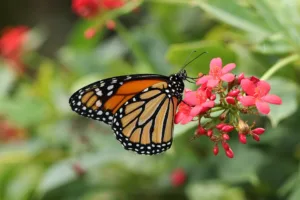
In many ecosystems, organisms engage in mutually beneficial relationships that enhance their survival. For instance, plants and pollinators epitomize mutualism, as flowers provide nectar to bees, which in turn ensure successful pollination. These interactions can lead to rapid co-evolution, where both species adapt in response to changing pressures.
Altruistic Behaviors
Altruism—selfless behavior that benefits others at a cost to oneself—presents an intriguing challenge to traditional views of natural selection. Theoretical frameworks, such as inclusive fitness, suggest that individuals may enhance their own genetic success by helping relatives survive and reproduce. This has been observed in social insects like bees and ants, where worker individuals sacrifice their reproductive potential for the colony’s benefit.
Speciation and Natural Selection
Natural selection not only shapes individual traits but also drives the emergence of new species—a process known as speciation. Understanding how speciation occurs sheds light on the diversity of life we see today.
Allopatric Speciation
One of the primary mechanisms of speciation is allopatric speciation, where populations are geographically isolated. This isolation can lead to the accumulation of genetic differences, eventually resulting in the formation of distinct species. An example can be found in the Darwin’s finches, which are believed to have diverged due to isolation on different islands.
Sympatric Speciation
In some cases, speciation can occur without geographic isolation, known as sympatric speciation. Typically, this happens through mechanisms like polyploidy, where an organism undergoes a genetic mutation that makes it reproductively isolated from its parent population. This phenomenon is particularly common in plants and can lead to rapid diversification.
Natural Selection in the Modern Context
While the foundational concepts of natural selection remain unchanged, our understanding of these processes continues to evolve. Advances in genetic research and technology provide new insights into the mechanisms of evolution.
The Role of Genetics
The modern synthesis of evolutionary biology combines genetics with natural selection, reinforcing the idea that heritable variations arise primarily from genetic mutations. With the advent of genetic sequencing technologies, scientists can now investigate the genetic basis of adaptive traits, leading to a more comprehensive understanding of how natural selection works.
Human Influence on Natural Selection
Human activities, such as habitat destruction and climate change, are increasingly becoming significant drivers of natural selection. Consequently, species are forced to adapt rapidly or face extinction. The study of how species respond to these pressures highlights the dynamic nature of natural selection and presents both challenges and opportunities for conservation efforts.
Conclusion: The Intricacies of Natural Selection
Natural selection is a complex process that transcends the simplistic notion of survival of the fittest. It encompasses a range of mechanisms and influences that shape the evolution of life on Earth. By unpacking the nuances of natural selection, we gain a richer understanding of biodiversity, the fragility of ecosystems, and the intricate web of life that persists. Continued research in evolutionary biology holds the key to addressing the challenges posed by a rapidly changing environment and emphasizes our role in the natural world.
[Footnotes]
- Darwin, C. (1859). On the Origin of Species. John Murray.
- Futuyma, D. J., & Kirkpatrick, M. (2017). Evolution. Sinauer Associates.
- Mayr, E. (2001). What Evolution Is. Basic Books.
- Ridley, M. (2004). Evolution. Blackwell Publishing.
- Wilson, E. O. (1975). Sociobiology: The New Synthesis. Harvard University Press.




Add Comment