












Uncovering Albanian Origins: A Deep Dive into Language Heritage
Understanding the Roots of Albanian Language
The Albanian language is a unique branch of the Indo-European language family, with a complex history that reflects the diverse influences of various cultures and civilizations that have interacted with the Balkan region over millennia. To understand Albanian, one must explore its etymology, dialects, and the historical developments that have shaped it. Notably, the language is divided into two primary dialects: Gheg, spoken in the north, and Tosk, predominant in the south. This division represents not just geographical separation but also distinct cultural heritages. Evidence suggests that the Albanian language has retained features of the ancient Illyrian language, hinting at a deeper connection to the region’s pre-Roman inhabitants. Additionally, various waves of migration, invasions, and trade have introduced a plethora of lexical influences, making Albanian a linguistic tapestry rich in both native and borrowed elements.
To appreciate the richness of the Albanian language, it is crucial to acknowledge influences from Latin, Greek, Slavic, Turkish, and Italian, among others. Each of these languages has contributed to the development of Albanian vocabulary, syntax, and phonology. For example, Latin’s influence is especially prominent due to the Roman conquest of the Illyrian territories. Meanwhile, the Ottoman rule over Albania left a significant imprint on the language, evident in the numerous Turkish loanwords still in use today.
Furthermore, the shift from the Gheg to the Tosk dialect in literary and formal use following the 20th century has contributed to standardization efforts. This centralization has played a vital role in unifying the language across Albania and the Albanian diaspora, ensuring that the cultural heritage associated with it is preserved and celebrated.
The Linguistic Landscape of Albania
The linguistic landscape of Albania is as diverse as its geography. Besides the two main dialects, there are numerous regional accents and variants that enrich the Albanian language. The Gheg dialect, which is characterized by its robust consonantal sounds and different vowel patterns, is predominant in Albania’s mountainous northern regions. This dialect has maintained many archaic features and holds a treasure trove of folklore and oral traditions, often echoing the patterns of ancient Illyrian speech.
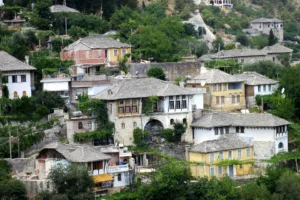
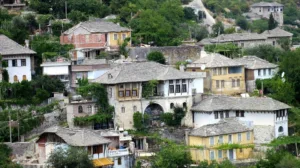
On the other hand, Tosk dialects are spoken in the southern parts of Albania, including cities like Berat and Gjirokastër. The Tosk dialect has undergone significant influences from the Greek language, particularly in areas bordering Greece, which demonstrates the historical interactions between these nations. The distinction between Gheg and Tosk is not merely linguistic; it reflects deeper social, political, and cultural divides that have existed in Albania for centuries.
Moreover, the influence of the diaspora cannot be overlooked. With waves of Albanian migration to countries such as Italy, the United States, and Greece, the language has been exposed to various linguistic environments, further enriching its vocabulary and expressions. This interaction with other languages has also resulted in the emergence of unique Albanian dialects abroad, showcasing how language evolves in response to new cultural contexts.
The Influence of Historical Events on Language Development
Historical events have played a significant role in shaping the Albanian language. The Roman conquest in the 2nd century BC brought Latin influence that permeated throughout the centuries. As the region underwent various occupations, including Byzantine and Ottoman, the language continued to evolve, absorbing elements from these dominant cultures. The Latinization of the Illyrian language and later Turkic influences from centuries of Ottoman rule contributed to the linguistic mosaic that defines modern Albanian.
The Renaissance period marked a turning point for Albanian linguistics, as scholars began to pursue the study of their native language. Figures like Naum Veqilharxhi and Gjergj Fishta worked to standardize the Albanian language, aligning it with European intellectual trends that emphasized nationalism and cultural identity. Their contributions laid the groundwork for the establishment of a unified Albanian literary language at the Congress of Albanian Writers and Artists in 1972.
Such historical transformations underscore the dynamic nature of the Albanian language, where each phase of development is intertwined with the broader historical context. The interplay of local dialects, foreign influences, and the struggle for cultural identity has crafted a language that stands as both a relic of the past and a living medium for present and future generations.
Albanian’s Etymological Journey and Its Dialects
The etymological journey of the Albanian language is intricate, with roots that possibly trace back to the ancient Illyrians, the region’s earliest known inhabitants. Linguists have long debated the relationship between Illyrian and Albanian, with ongoing research aimed at uncovering potential linguistic continuity. Some argue that certain Albanian words may embody remnants of Illyrian vocabulary, reflecting how language can endure beyond conquest and cultural shifts.
Each dialect of Albanian carries its unique historical baggage. The Gheg dialect, for instance, showcases numerous elements from Old Slavic, reflecting interactions that occurred during the medieval period. Conversely, Tosk exhibits a notable number of Greek loanwords, arising from the long-standing relations with neighboring Greece. These variations highlight the adaptability of the Albanian language, showcasing its ability to absorb and integrate linguistic features influenced by historical dynamics.
Furthermore, language preservation efforts have been prominent, particularly following the fall of communism in Albania. The Albanian Academy of Sciences has played an essential role in promoting linguistic research and education, ensuring that both dialects receive due attention and respect. This focus not only aids in standardization but also promotes a better understanding of cultural nuances embedded within each dialect.
Albanian Language and Cultural Identity
Language is often considered the cornerstone of cultural identity, serving as a vessel for heritage and tradition. In Albania, the connection between language and national identity is deeply rooted, reflecting the struggles and triumphs of the Albanian people throughout history. The preservation of the Albanian language became a rallying point during periods of oppression, unifying various ethnic groups within Albania and those in the diaspora.
The notable poet and playwright, Ismail Kadare, articulates this sentiment, often exploring themes related to language and identity in his works. He highlights the enduring nature of the Albanian language as a symbol of resilience against external influences. His writings serve as a poignant reminder of the importance of language as a medium of cultural continuity, conveying the shared experiences and values of the Albanian people.
Moreover, language plays a critical role in the transmission of folklore, traditions, and oral history. Albanian epic poetry, frequently recited in the Gheg dialect, contains tales of heroism, valor, and moral lessons that embody the spirit of the Albanian people. This oral tradition is vital for cultural preservation, as each tale reinforces communal identity and ethos.
In contemporary Albania, the language continues to thrive despite globalization’s influence. Various initiatives aimed at promoting Albanian literature, theater, and art serve to elevate the significance of the language, ensuring that it remains central to Albanian identity for future generations.
Influences of Other Languages on Albanian
The development of the Albanian language has been substantially influenced by numerous neighboring languages, each contributing to its rich lexicon. Historical interactions with the Greeks have led to the incorporation of Greek words, particularly concerning trade, agriculture, and everyday life. This vocabulary further underscores the importance of geographical proximity in shaping language.
The Ottoman Empire’s rule over Albania for several centuries introduced a plethora of Turkic vocabulary and phrases into the Albanian language. Common terms related to administration, cuisine, and household items often exhibit Turkish origins, reflecting the impact of Ottoman culture and governance on the region. The blending of these languages has led to a unique linguistic heritage that characterizes modern Albanian.
In more recent times, the influence of Italian cannot be overlooked, primarily due to migration and cultural exchanges in the 20th century. Many Albanians settled in Italy, leading to the introduction of Italian words and expressions into everyday language. This phenomenon illustrates how migration continues to shape the dynamics of language, adapting it to contemporary realities while preserving its historical roots.
Preservation Efforts and Modern Developments
Efforts to preserve the Albanian language have garnered significant attention in recent years, particularly in light of globalization and technological advancements. Education systems in Albania prioritize the teaching of the Albanian language in schools, reinforcing its importance among younger generations. Language courses and programs for diaspora Albanian communities in various countries have also emerged, focusing on maintaining linguistic and cultural ties.
Digital platforms have become essential tools for language preservation, providing accessible resources for learning and practicing Albanian. Online courses, social media groups, and language apps have contributed to a resurgence of interest in the language, particularly among younger Albanians living abroad. These initiatives facilitate a renewed connection to cultural heritage, allowing individuals to engage with their linguistic roots regardless of geographical location.
Moreover, literature continues to thrive in Albania, with contemporary authors exploring themes related to identity and language. New generations of writers are producing works that reflect modern experiences while retaining the essence of the Albanian language. This literary evolution emphasizes the adaptability of Albanian, ensuring that it remains relevant in an ever-changing world.
Conclusion: The Importance of Albanian Language Heritage
Uncovering the origins and evolution of the Albanian language reveals a deep connection to cultural identity and heritage. The language serves as a testament to the resilience of the Albanian people, showcasing their ability to preserve their language and traditions amidst historical challenges. The interplay between various linguistic influences, dialects, and modern developments continues to shape the richness of the Albanian language, making it a vibrant part of Europe’s linguistic landscape.
As global dynamics evolve, the importance of understanding and preserving language heritage becomes even more pronounced. The Albanian language embodies a unique narrative, interwoven with the history, culture, and identity of a people who have faced adversity yet remain steadfast in their commitment to preserving their linguistic heritage. Through ongoing efforts in education, literature, and cultural exchange, the Albanian language is poised to thrive for generations to come, ensuring that it remains a vital element of the Albanian identity.
References:
- Vickers, M. (1998). The Albanians: A Modern History. London: I.B. Tauris.
- Kola, P. (2005). Albanian Language and Linguistic Studies. Tirana: Institute of Albanian Studies.
- The Albanian Academy of Sciences. (2020). Linguistic Standardization in Albania.
- Kadare, I. (1981). Broken April. London: Harvill Press.
- Barjaba, K. (2003). The impact of the Ottoman Empire on the Language in Albania.
This condensed version explores various facets of the Albanian language and its heritage while maintaining a coherent structure. Let me know if you need any specific sections to be expanded or focused on!






Add Comment