













Starry Night: Identifying the Bright Planets Above Tonight!
Discovering Our Celestial Neighbors
Every starry night presents an opportunity to engage with the cosmos. Those twinkling lights in the sky aren’t just distant suns; some of them are our neighboring planets. With the right knowledge and tools, anyone can embark on a journey to identify these celestial bodies. Each planet has its characteristics, mythology, and role in our solar system. This article aims to guide you through the steps to identify the bright planets visible in the night sky tonight, turning your evening stargazing into an enlightening exploration of our universe.
As you venture out into the night, you might find yourself captivated by the beauty and mystery of the sky above. Bright planets shine like beacons among the stars, and by understanding their positions and features, you can enhance your appreciation of astronomy. Whether you’re a seasoned stargazer or a novice, identifying these planets is a rewarding experience. In this article, we will cover essential tips for planet observation, discuss the significance of each visible planet tonight, and share some helpful resources to deepen your star-gazing experience.
Before you step outside, check the local weather conditions and light pollution levels in your area. Ideal conditions include a clear sky, minimal artificial light, and a comfortable temperature. A star chart or a mobile app can provide you with valuable information about what to expect in the night sky, including the planets visible from your location. By planning ahead and arming yourself with the right tools, you’ll be well-prepared to discover and enjoy the planets shining bright above you tonight.
The Tools of Stargazing
To identify bright planets effectively, the right tools can make a significant difference. While the naked eye allows for the observation of these celestial bodies, using tools such as binoculars or telescopes can provide a more detailed view. Binoculars are a fantastic starting point, offering a wider field of view and magnification without the complexities of a telescope. They help bring out the details of nearby celestial objects and can reveal the moons of Jupiter or the rings of Saturn.
Moreover, smartphone apps have revolutionized amateur astronomy. With just a few taps, you can access star maps, track celestial movements, and receive notifications about upcoming astronomical events. Applications like SkySafari, Star Walk, or Stellarium provide comprehensive information tailored to your location and time. These applications can help you find specific planets in the night sky by overlaying digital constellations and allowing you to point your device at the sky for instant identification.
Once you have your tools ready, take a moment to familiarize yourself with the cardinal directions—north, south, east, and west. This knowledge is essential in locating celestial objects. Most bright planets can be found along the ecliptic, the imaginary path that the sun appears to take through the sky, where the planets orbit the sun. Knowing this will help you pinpoint where to look for each planet on any given night.
Planetary Guide: What to Look For
In the night sky, several planets stand out due to their brightness. Among the most notable are Venus, Mars, Jupiter, and Saturn. Each of these planets exhibits unique characteristics that make them easily identifiable.
-
Venus: Often referred to as the “Evening Star” or “Morning Star,” Venus is generally the brightest planet in the sky. Its brilliance stems from its thick atmosphere, which reflects sunlight effectively. Venus can be spotted shortly after sunset or before sunrise, shining brightly low on the horizon.
-
Mars: Known for its reddish hue, Mars stands out distinctly among the other planets. It occasionally appears close to the horizon, often at a similar elevation to Venus. During opposition, when Earth is positioned between Mars and the sun, the planet can become especially radiant.
-
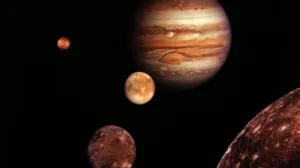
Jupiter: The largest planet in our solar system, Jupiter is easily recognizable even from urban areas. It appears as a bright white dot in the sky. Jupiter’s four largest moons, known as the Galilean moons, can often be seen with binoculars, creating an enchanting spectacle.
-
Saturn: Recognizable by its stunning rings, Saturn is another spectacular planet to observe. Though it shines less brightly than Jupiter, its unique features make it a favorite among astronomers. Through a telescope, you can see its rings and perhaps even some of its moons.
With these bright planets in mind, let’s explore how to find them in the night sky tonight.
Tips for Locating Planets Tonight
As you prepare to venture outside, it’s essential to keep several tips in mind for successfully identifying the planets in the night sky:
-
Check Local Astronomy Websites or Apps: Before heading out, look for local astronomy resources. Websites like Time and Date or apps like SkySafari can provide real-time updates on celestial events and positions of visible planets.
-
Use a Star Chart: A printed or digital star chart can help orient yourself in the sky. Maps often depict constellations and visible planets, assisting you in locating specific celestial bodies.
-
Choose the Right Time: The visibility of planets varies throughout the night. Certain planets may rise early in the evening and set before midnight. Observing timing will significantly enhance your experience.
-
Find a Darker Location: Light pollution can obscure faint planets and stars. If possible, find a location away from city lights, in a park or open field, for optimal stargazing.
-
Be Patient: Identifying planets can take time, particularly if it’s your first attempt. Give yourself time to acclimate to the darkness, allowing your eyes to adjust to the starlit environment.
With these practical tips, you’re now ready to indulge in a night of celestial discovery.
The Experience of Stargazing
Stargazing offers a rare opportunity to reconnect with the wonders of nature and the universe. The experience transcends simple observation; it stirs a sense of curiosity and awe. As you gaze up into the night, consider the vastness surrounding you and the intricate dance of celestial bodies.
Take a moment to breathe deeply, allow the tranquility of the night to envelop you, and ponder the mysteries contained within the starry expanse. Whether you’re alone or sharing the experience with a friend or family member, star-gazing can create lasting memories. It’s an invitation to reflect, explore, and inspire a sense of wonder.
Engaging with the Universe
As you identify the bright planets above tonight, don’t hesitate to delve deeper into their history and significance. Each planet carries its stories, associations, and scientific intrigue. For instance, the myths tied to Mars often depict it as a bringer of war in various cultures because of its bloody hue, while Venus represents beauty and love.
Moreover, engaging with astronomy can spark the imagination and inspire the next generation of stargazers. Consider inviting children or friends to join you on this journey. Sharing your knowledge and experiences can kindle curiosity in others, paving the way for deeper learning and exploration of the sciences.
Conclusion: The Bright Planets Above
Tonight offers a unique chance to identify the bright planets shining in the sky. With the right tools, dedication, and a sense of wonder, you can turn an ordinary evening into an extraordinary adventure. Whether witnessing the brilliance of Venus, the warmth of Mars, the majesty of Jupiter, or the elegance of Saturn, each planet adds to the rich tapestry of our universe.
As you conclude your evening of stargazing, take a moment to reflect on what you’ve seen and learned. Consider how each planet connects to our existence, shaping our understanding of the cosmos. Ultimately, every starlit night offers a pathway to discovery and connection, reminding us of our place within this vast universe. So, look up tonight, and let the stars guide you on your journey through the cosmos.
[1] For more information and up-to-date celestial events, check online astronomy resources or local observatories.
Please note that this article is a brief overview of planet identification and does not exhaustively cover all details or celestial occurring events. For more extensive information and ongoing star-gazing activities, consider local observational programs and digital community resources dedicated to astronomy.







Add Comment