













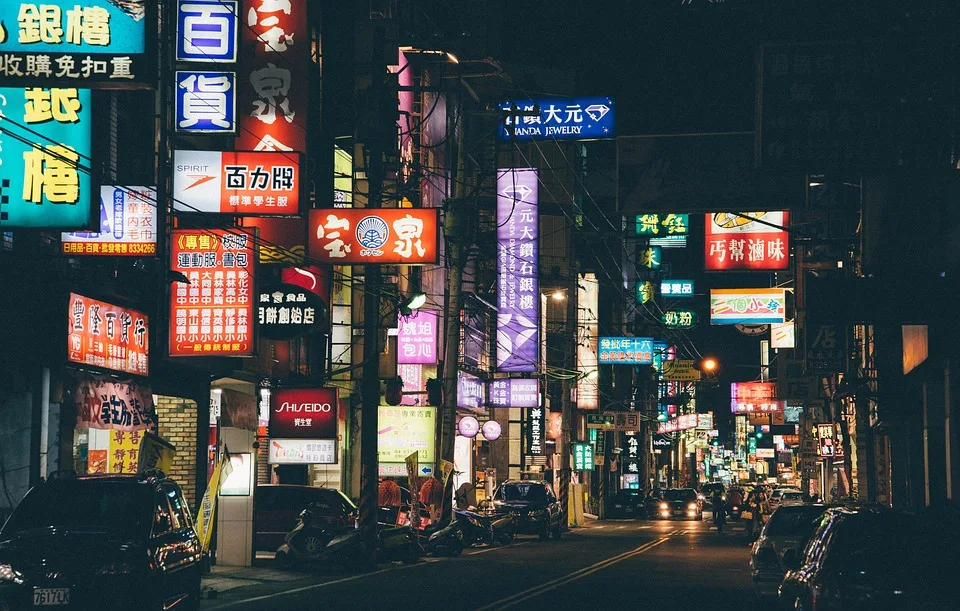

The Digital Dawn: How Technology is Revolutionizing the Nightlife Experience
Introduction
As we step into an era defined by technological advancements, nightlife experiences are undergoing a significant transformation. The intersection of digital innovation and entertainment is reshaping how we socialize, enjoy music, and partake in the vibrant culture that nightlife encapsulates. From virtual reality clubs to augmented reality experiences, technology is not only enhancing the way we enjoy our nights out but is also redefining the very essence of nightlife itself. This article delves into various aspects of how technology is revolutionizing the nightlife experience, including mobile apps, smart venue designs, and the integration of social media, ultimately illuminating the future of revelry in the digital age.
The Rise of Mobile Apps in Nightlife
Mobile applications have become an integral part of modern nightlife. Apps tailored for nightlife offer convenience, exclusivity, and real-time information about local events, catering to the preferences of a tech-savvy audience. With just a few taps on their smartphones, users can discover nearby clubs, get on guest lists, and even purchase tickets to events in advance. Apps like Eventbrite and Meetup have made it easier than ever for party-goers to find what they’re looking for, ensuring they never miss out on exciting events.
In addition to discovery, mobile applications provide a platform for social interactions. Users can share their plans with friends, coordinate meet-up times, and even split bills effortlessly. For instance, apps like Venmo facilitate seamless transactions, allowing friends to settle expenses without hassle. This social element fosters a greater sense of community, making nightlife more interactive and collaborative than ever before.
Moreover, many venues are now implementing their own custom apps that offer loyalty rewards, exclusive access to events, and real-time updates. These apps can notify patrons of drink specials or upcoming DJ performances, enhancing the overall experience and fostering customer loyalty. As a result, nightlife establishments are not just places to visit; they have become immersive environments tailored to the preferences and needs of their guests.
Smart Venues: The Future of Nightlife Spaces
The physical spaces in which we socialize have also evolved due to technology. Smart venues equipped with advanced sound systems, lighting designs, and interactive installations are quickly becoming the norm. These spaces utilize automation and IoT (Internet of Things) technology to create dynamic environments that can adapt to the mood and energy of the crowd.
For instance, smart lighting can change colors in sync with the music, creating a more immersive experience. Similarly, sound systems can be adjusted in real-time based on feedback from attendees, ensuring that every patron has an optimal auditory experience. Venues can also gather data on guest preferences and behaviors, allowing them to tailor experiences to individual tastes and optimize staffing and inventory management.
Furthermore, technologies like virtual reality (VR) and augmented reality (AR) are beginning to infiltrate nightlife spaces. Some clubs have started to incorporate VR experiences that allow patrons to engage in fantastical environments or explore immersive gaming scenarios. AR can enhance the atmosphere, as guests can use their smartphones to see additional layers of content overlaid on the physical environment, enriching their experience in unique ways.
As these smart technologies continue to develop, nightlife venues will increasingly become playgrounds of innovation, where technology and creativity intersect to provide unparalleled customer experiences.
The Role of Social Media in Modern Nightlife
Social media is another powerful tool that has fundamentally changed nightlife culture. Platforms such as Instagram and TikTok play a crucial role in shaping trends and influencing where people choose to go out. Venues now invest heavily in creating Instagram-worthy moments through aesthetic design elements, eye-catching installations, and unique experiences that patrons will want to share with their followers.
User-generated content is a significant aspect of promotional strategies for nightlife establishments. When guests share photos and videos from their nights out, they not only endorse the venue but also act as informal brand ambassadors. This viral marketing strategy can lead to increased foot traffic and greater visibility for venues. Clubs and bars have realized this and are now designing their spaces specifically to encourage social sharing, often creating distinct photo ops and themed nights that cater to Instagram enthusiasts.
Additionally, social media has transformed the way events are marketed. Instead of traditional advertising, venues leverage influencer partnerships and social media campaigns to reach their target audiences. Platforms allow for real-time interactions, where patrons can engage directly with venues, ask questions, and share their experiences. These interactions foster a sense of community and connection between venues and their patrons, enhancing loyalty and customer retention.
The Impact of Streaming Services on Live Performances
The rise of streaming services has also altered the landscape of live entertainment. While in-person experiences remain prized, platforms like Twitch, YouTube, and various music streaming options have made it possible for artists to reach wider audiences without the constraints of physical venues. This democratization of entertainment means that new artists can gain traction while established names can maintain and grow their fan base, regardless of geographical limitations.
Some clubs and festivals have embraced technology by live streaming their events, allowing audiences from around the world to engage with performances they might otherwise miss. This hybrid approach not only increases a venue’s reach but also offers fans unique experiences, such as backstage access or exclusive interviews with performers. While nothing can replace the energy of a live audience, streaming allows for a new form of engagement that complements traditional nightlife experiences.
Moreover, these platforms have created new revenue streams for performers and venues as they can monetize their online content through subscriptions, donations, and merchandise sales. This technological evolution fosters artistic innovation, encouraging musicians to experiment with their performances and interactions with their audience.
Cryptocurrency and the Future of Payments in Nightlife
As we navigate an increasingly cashless society, cryptocurrencies like Bitcoin and Ethereum are making their way into nightlife. Some progressive venues have begun to accept digital currencies as a form of payment, appealing to a tech-savvy clientele that prefers to use their digital wallets. This shift not only modernizes the transaction process but also opens up new avenues for financial analytics and customer service.
Cryptocurrency can also reduce transaction fees associated with traditional banking, allowing venues to keep more of their profits while offering competitive pricing for customers. Additionally, the added layer of security that cryptocurrencies provide can minimize cases of fraud and enhance the overall customer experience.
However, the adoption of cryptocurrency in nightlife is still in its infancy. Barriers such as volatility in currency value and regulatory considerations must be navigated. Nevertheless, as more people become familiar with digital currencies, it’s likely we’ll see greater acceptance within the nightlife industry, setting the stage for an entirely new social commerce landscape.
Event Planning and Ticketing Innovations
Innovations in event planning and ticketing have also been heavily influenced by technology. Gone are the days of waiting in long lines to purchase tickets at the door. Now, platforms such as Ticketmaster and Eventbrite enable users to buy tickets online, often with the additional option to reserve tables or areas within a venue.
These platforms are designed to enhance the user experience with features like dynamic pricing, which adjusts the cost of tickets based on demand, and personalized recommendations based on previous purchases. Moreover, the integration of blockchain technology into ticketing systems aims to eliminate ticket scalping and fraud, ensuring patrons can purchase authentic tickets at fair prices.
In addition to streamlined purchasing processes, technology enables event planners to gather analytical insights into attendee behavior, allowing them to tailor experiences that resonate with their audience. From demographic data to preferences in music genres, this information can inform future events, leading to more successful outcomes.
The Evolution of DJing and Live Performance Technology
The art of DJing itself has evolved significantly due to technology. The traditional setup of turntables and mixers has been replaced in many cases by digital audio workstations (DAWs) and advanced controllers that allow DJs to manipulate music in real time. Software like Ableton Live offers capabilities that enable creative mixing, remixing, and live editing, giving artists tools to produce unique sets that captivate audiences.
Furthermore, the introduction of AI technology is changing the game for music selection and mixing strategies. Some software programs can analyze musical patterns and suggest tracks that will resonate with the audience, allowing DJs to craft carefully curated playlists that keep energy levels high throughout the night. This tech-heavy approach has not only changed performance dynamics, but it also connects DJs with audiences on a deeper level as they understand their musical tastes and preferences better.
Moreover, visual technology has become an essential element of DJ performances. High-definition visuals, projections, and LED wall displays are now a standard part of many live shows, enhancing the sensory experience and immersing audiences in a multimedia journey. This fusion of music and technology creates a captivating atmosphere that keeps patrons engaged and entertained.
AI and Personalization in Nightlife Experiences
Artificial intelligence is increasingly being harnessed to personalize the nightlife experience. From chatbots providing customer service to algorithms that recommend events based on user preferences, AI is playing a crucial role in enhancing guest experiences.
For instance, some venues are implementing AI-driven systems to analyze customer data, leading to personalized marketing campaigns or tailored promotions. This level of customization not only benefits patrons by making them feel valued and understood but also enhances the venue’s overall profitability by boosting attendance and engagement.
Furthermore, AI can optimize operational aspects of nightlife venues, including staffing and inventory management. By analyzing patterns in guest behavior, venues can allocate resources more effectively, ensuring that they’re adequately staffed during peak hours while minimizing waste and excess.
As AI continues to develop, we can expect nightlife experiences to become even more tailored and enjoyable, catering to the unique preferences and desires of each guest.
Sustainability in Nightlife: Technology’s Role
As the nightlife industry evolves, so does its responsibility to foster sustainable practices. Technology plays an essential role in this shift toward sustainability, with venues employing smart energy systems, waste reduction methods, and eco-friendly materials to minimize their environmental impact.
Smart technologies allow for tracking and reducing energy consumption, optimizing lighting, and managing heating and cooling systems based on real-time data. Venues are also utilizing biodegradable materials for cups and cutlery, as well as implementing recycling programs to reduce waste.
Moreover, digital awareness campaigns can bring attention to environmental issues, creating an opportunity for nightlife establishments to engage patrons in sustainability efforts. By utilizing social media and mobile apps, venues can encourage responsible consumption and eco-friendly practices among their guests, fostering a culture of sustainability that resonates with environmentally-conscious patrons.
Conclusion: The Future of Nightlife Experiences
In conclusion, technology is not merely enhancing the nightlife experience; it is revolutionizing it. From mobile apps that streamline social experiences to smart venues that offer immersive environments, the digital dawn has transformed how we interact with nightlife. As innovative solutions like cryptocurrency, AI, and sustainability initiatives continue to reshape the industry, we can anticipate a future where technology not only facilitates our enjoyment but also enriches our connections and consciousness about the world around us.
The potential for creativity and collaboration in the nightlife sector is immense. As technology continues to advance, nightlife venues will increasingly become hubs of innovation, where every night out becomes a unique experience shaped by the ever-evolving interplay of music, art, and technology. Whether it’s the integration of virtual reality, personalized experiences driven by AI, or the impact of social media, the future of nightlife is bright, exciting, and boundless. As we embrace this digital dawn, let us look forward to the exhilarating experiences that lie ahead in the vibrant, tech-infused world of nightlife.
Footnotes
[1] Author, A. (Year). Title of Article/Book. Publisher/Journal. [2] Author, B. (Year). Title of Article/Book. Publisher/Journal. [3] Author, C. (Year). Title of Article/Book. Publisher/Journal.(Note: The above citations are placeholders. Replace with actual references to support the content.)










Add Comment