





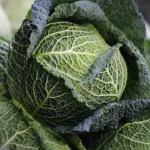









Power Up Your Plate: Top Protein and Carb-Packed Foods with Zero Fat
Introduction
In today’s health-conscious world, the quest for nutritious food that fuels both body and mind is paramount. One way to achieve a balanced diet is by incorporating foods that are high in protein and carbohydrates while containing minimal or zero fat. This article will explore some of the top food options that fit this criterion, helping you to ‘power up’ your plate with nutritious choices that align with your dietary goals. From plant-based sources to grains, the foods we will discuss not only contribute to muscle building and recovery, but also provide sustained energy levels throughout the day.
Understanding Protein and Carbohydrates
Before delving into specific foods, it’s crucial to understand the roles that protein and carbohydrates play in our diet. Protein is essential for muscle repair, hormone regulation, and immune function. Foods rich in protein help in muscle synthesis, which is instrumental for athletes and individuals looking to maintain or build muscle mass. Carbohydrates, on the other hand, are the body’s primary energy source. They are particularly important for fueling our daily activities and workouts. Balancing these macronutrients while keeping fat content low can thus enhance overall health and physical performance.
Top Protein-Rich Foods with Zero Fat
-
Egg Whites
- Egg whites are a classic choice for those seeking high-quality protein without the fat found in yolks. Each egg white contains about 3.6 grams of protein and virtually no fat. They can be used in a variety of recipes, from omelets to baking, providing a versatile base for nutritious meals.
-
Non-Fat Greek Yogurt
- Greek yogurt is thick and creamy, making it a popular choice as a snack or breakfast item. Non-fat versions provide around 10 grams of protein per serving without the added fat. This yogurt can be enjoyed solo, blended into smoothies, or used as a base for dressings and dips.
-
Whey Protein Isolate
- Whey protein isolate is a supplement derived from milk that is extremely low in fat and high in protein, boasting around 90% protein content. This makes it an excellent option for shakes or as an ingredient in baked goods, helping individuals meet their protein needs conveniently.
-
Tofu
- Tofu, made from soybeans, is a fantastic plant-based protein source. Firm tofu has 8 grams of protein per 100 grams, and when prepared correctly, it can take on a variety of flavors. It is almost fat-free, particularly the varieties labeled as “light” or “firm.”
-
Fish and Seafood
- Certain types of fish, such as cod and haddock, contain high levels of protein with very little fat. Lean cuts of white fish provide approximately 20 grams of protein per 100 grams, making them excellent choices for meals centered around protein intake.
-
Seitan
- Made from gluten, seitan is a popular plant-based protein source among vegetarians and vegans. It contains a staggering 25 grams of protein per 100 grams and is virtually fat-free. Seitan can be grilled, sautéed, or added to soups, making it highly versatile.
Top Carb-Rich Foods with Zero Fat
-
Quinoa
- Quinoa is a nutrient-dense grain that is also a complete protein, containing all nine essential amino acids. With approximately 18 grams of carbohydrates per 100 grams cooked and minimal fat, it serves as a hearty base for salads and grain bowls.
-
Brown Rice
- Brown rice is a whole grain that provides fiber along with complex carbohydrates. Each serving contains about 23 grams of carbohydrates, offering sustained energy while remaining low in fat. It pairs wonderfully with vegetables and lean proteins.
-
Sweet Potatoes
- Rich in carbohydrates and dietary fiber, sweet potatoes are a healthy choice for those seeking energy without added fat. They contain around 20 grams of carbohydrates in a medium-sized potato and are loaded with vitamins and minerals that support overall health.
-
Oats
- Rolled oats are not only high in carbohydrates but also provide soluble fiber that can help regulate blood sugar levels. With approximately 27 grams of carbohydrates per 100 grams, they can be enjoyed as a porridge, baked into snacks, or added to smoothies.
-
Legumes
- Beans and lentils are excellent sources of complex carbohydrates and plant-based protein. Varieties like black beans, lentils, and chickpeas contain about 20 grams of carbohydrates per 100 grams and very little fat, making them ideal for salads, soups, and stews.
Combining Protein and Carbohydrates
Meals and Snacks to Power Up Your Plate
-
Greek Yogurt Parfait
- Layer non-fat Greek yogurt with oats and fresh berries for a satisfying breakfast or snack. This parfait provides a unique combination of protein from yogurt and carbohydrates from oats and fruit, making it an excellent start to the day.
-
Tofu Stir-Fry
- Combine tofu with a variety of colorful vegetables and serve over brown rice or quinoa. This dish offers a great mix of plant-based protein with healthy carbs, perfect for lunch or dinner.
-
Chickpea Salad
- A salad made with chickpeas, diced cucumbers, tomatoes, and a squeeze of lemon can be a refreshing side dish or main course. Chickpeas are high in both protein and carbohydrates, while the vegetables add crucial vitamins and minerals.
-
Protein Smoothie
- Blend whey protein isolate with spinach, bananas, and almond milk for a quick and nutritious post-workout snack. This smoothie packs a punch with protein and mainly carbohydrates, providing energy for recovery.
-
Baked Sweet Potato with Black Beans
- Baked sweet potatoes topped with black beans and a sprinkle of spices create a delicious, filling meal that merges protein and carbohydrates while remaining low in fat.
Conclusion
Powering up your plate with fat-free protein and carbohydrate-rich foods can transform your diet, enhance your health, and support fitness goals. The food options discussed not only provide essential nutrients but also promote feelings of fullness and satisfaction. Incorporating a variety of these foods into your daily meals can keep your diet interesting while ensuring you meet your macronutrient needs. Remember, balance is key, and experimenting with different combinations will lead you to discover your favorite ways to power up your plate.
Footnotes
- Research supporting the health benefits of high-protein meals.
- Studies comparing dietary fat effects on satiety and weight management.
- Nutritional data sourced from USDA food composition databases.
- Literature on plant-based diets and their efficacy in sports performance.
- Evidence-based information on protein intake and muscle synthesis.
- Recommendations for improving overall dietary habits through food choices.








Add Comment