













The universe, in its boundless complexity and astonishing simplicity, operates on a fundamental truth: everything is in a constant state of change. At the heart of this ceaseless transformation lies the chemical reaction – the process by which atoms rearrange themselves, breaking old bonds and forging new ones, to create entirely different substances. Far from being mere academic curiosities confined to laboratories, chemical reactions are the invisible architects of our existence, the engines of life, the foundations of technology, and the drivers of the natural world. From the blazing inferno of a star to the subtle enzymatic dance within a single cell, from the synthesis of life-saving medicines to the very air we breathe, chemical reactions are ubiquitous, indispensable, and profoundly impactful. To truly understand our world, and indeed, our place within it, an appreciation for the most important chemical reactions is not just beneficial—it is essential [1].
This article embarks on an ambitious journey to explore the most pivotal chemical reactions that underpin life, technology, industry, and the environment. We will delve into their mechanisms, uncover their profound significance, trace their historical impact, and contemplate their future implications. From the foundational reactions that define the very nature of matter to the sophisticated processes that power our digital age, prepare to witness the spectacular ballet of atoms that choreographs reality itself.
Part 1: The Foundational Pillars – Understanding Chemical Change
Before delving into specific reactions, it’s crucial to grasp the fundamental concepts that govern all chemical transformations. A chemical reaction, at its core, is a process that involves the rearrangement of the electronic structure of atoms or molecules, leading to the formation of new substances with different properties. This process invariably involves the breaking of existing chemical bonds and the formation of new ones [2].
1.1. What is a Chemical Reaction?
Every substance is composed of atoms, which are the fundamental building blocks of matter. These atoms connect to each other through chemical bonds, forming molecules or extended structures. A chemical reaction occurs when these bonds are either broken or formed, leading to a change in the identity of the substances involved. For instance, two hydrogen atoms bonded to one oxygen atom form a water molecule (H₂O). If these bonds break and reform in a different configuration, say with carbon, a new substance like methane (CH₄) could theoretically emerge, though requiring complex intermediate steps.
Energy in Reactions: All chemical reactions involve energy changes [3].
- Exothermic Reactions: Release energy, often as heat or light, making the surroundings warmer. Combustion is a prime example. The products have less energy stored in their bonds than the reactants.
- Endothermic Reactions: Absorb energy from their surroundings, making the surroundings colder. Photosynthesis is an example where light energy is absorbed to create sugars. The products have more energy stored in their bonds than the reactants.
- Activation Energy: Even exothermic reactions need an initial input of energy to start, called activation energy. This energy is required to break the existing bonds in the reactants before new ones can form. Think of pushing a boulder uphill before it can roll down.
Kinetics and Thermodynamics:
- Thermodynamics dictates whether a reaction can occur spontaneously (i.e., it is energetically favorable) and the extent to which it will proceed [4]. It tells us about the energy difference between reactants and products (ΔH, enthalpy) and the change in disorder (ΔS, entropy). A reaction is generally spontaneous if it leads to a lower energy state and/or a higher state of disorder.
- Kinetics describes the rate at which a reaction occurs [5]. A thermodynamically favorable reaction might be incredibly slow if it has a high activation energy. Catalysts are substances that speed up reactions by lowering the activation energy without being consumed themselves.
1.2. Basic Types of Reactions:
While reactions can be incredibly complex, they often fall into several fundamental categories [6]:
- Synthesis (Combination) Reactions: Two or more simple substances combine to form a more complex substance.
- A + B → AB
- Example: 2H₂ (g) + O₂ (g) → 2H₂O (l) (Formation of water from hydrogen and oxygen).
- Decomposition Reactions: A complex substance breaks down into two or more simpler substances.
- AB → A + B
- Example: 2H₂O (l) → 2H₂ (g) + O₂ (g) (Electrolysis of water into hydrogen and oxygen).
- Single Replacement (Displacement) Reactions: One element replaces another element in a compound.
- A + BC → AC + B
- Example: Zn (s) + CuSO₄ (aq) → ZnSO₄ (aq) + Cu (s) (Zinc displaces copper from copper sulfate solution).
- Double Replacement (Displacement) Reactions: The positive and negative ions of two ionic compounds exchange places to form two new compounds. Often results in a precipitate, gas, or water.
- AB + CD → AD + CB
- Example: AgNO₃ (aq) + NaCl (aq) → AgCl (s) + NaNO₃ (aq) (Silver nitrate and sodium chloride react to form silver chloride precipitate).
- Combustion Reactions: A substance rapidly reacts with oxygen, often producing heat and light.
- Fuel + O₂ → CO₂ + H₂O (for organic fuels)
- Example: CH₄ (g) + 2O₂ (g) → CO₂ (g) + 2H₂O (g) (Burning of methane).
- Acid-Base Reactions (Neutralization): An acid reacts with a base to form a salt and water.
- Acid + Base → Salt + Water
- Example: HCl (aq) + NaOH (aq) → NaCl (aq) + H₂O (l) (Hydrochloric acid and sodium hydroxide).
- Oxidation-Reduction (Redox) Reactions: Involve the transfer of electrons between species. Oxidation is the loss of electrons; reduction is the gain of electrons [7]. These are incredibly important in energy generation and biological processes.
- Example: Rusting of iron (Fe → Fe³⁺ is oxidation, O₂ → O²⁻ is reduction).
These foundational concepts serve as the language and grammar of chemistry, allowing us to understand the intricate stories told by the specific reactions that follow.
Part 2: Reactions of Life – The Biochemistry of Existence
Life itself is a testament to the marvel of chemical reactions. From the simplest bacterium to the most complex human, every biological process – growth, metabolism, reproduction, movement – is orchestrated by a symphony of precisely controlled chemical transformations.
2.1. Photosynthesis: The Ultimate Energy Conversion
Perhaps the single most important chemical reaction on Earth, photosynthesis is the process by which green plants, algae, and some bacteria convert light energy into chemical energy, primarily in the form of glucose [8]. It is the foundation of almost all food webs and is responsible for producing the oxygen vital for most aerobic life.
-
The Reaction:
6CO₂ (g) + 6H₂O (l) + Light Energy → C₆H₁₂O₆ (s) + 6O₂ (g)
(Carbon dioxide + Water + Light Energy → Glucose + Oxygen) -
Mechanism & Significance: This complex process occurs in two main stages within chloroplasts [9]:
- Light-Dependent Reactions: Light energy is captured by chlorophyll pigments and used to split water molecules (photolysis), releasing oxygen, electrons, and protons. This energy is then converted into chemical energy in the form of ATP (adenosine triphosphate) and NADPH (nicotinamide adenine dinucleotide phosphate).
- Light-Independent Reactions (Calvin Cycle): The ATP and NADPH generated in the first stage are used to fix carbon dioxide from the atmosphere into glucose. This cycle involves a series of enzymatic reactions that ultimately synthesize sugars.
-
Impact: Photosynthesis revolutionized Earth’s early atmosphere, transforming it from an anoxic environment to one rich in oxygen, paving the way for the evolution of complex multicellular life. It continually replenishes the oxygen we breathe and provides the organic matter that fuels virtually all ecosystems. Without photosynthesis, the vast majority of life as we know it would simply cease to exist. It’s the ultimate example of an endothermic reaction, storing solar energy in chemical bonds.
2.2. Cellular Respiration: Releasing Life’s Energy
The energetic counterpart to photosynthesis, cellular respiration is the metabolic process by which organisms break down glucose (or other organic molecules) to release stored chemical energy in the form of ATP, which powers cellular activities [10]. This reaction is exothermic, releasing energy for use.
-
The Reaction:
C₆H₁₂O₆ (s) + 6O₂ (g) → 6CO₂ (g) + 6H₂O (l) + Energy (ATP + Heat)
(Glucose + Oxygen → Carbon dioxide + Water + Energy) -
Mechanism & Significance: Cellular respiration occurs in several stages, primarily in the cytoplasm and mitochondria [11]:
- Glycolysis: Glucose is broken down into two molecules of pyruvate, producing a small amount of ATP and NADH. This stage occurs in the cytoplasm and does not require oxygen.
- Krebs Cycle (Citric Acid Cycle): Pyruvate enters the mitochondria and is further broken down through a series of reactions, producing more ATP, NADH, and FADH₂ (flavin adenine dinucleotide). Carbon dioxide is released as a byproduct.
- Electron Transport Chain (ETC) & Oxidative Phosphorylation: The NADH and FADH₂ donate electrons to a series of protein complexes embedded in the mitochondrial inner membrane. As electrons pass through the chain, a proton gradient is established. This gradient drives the synthesis of large amounts of ATP from ADP and phosphate, using oxygen as the final electron acceptor to form water.
-
Impact: Cellular respiration is the universal mechanism by which living organisms extract energy from food. It powers muscle contraction, nerve impulses, protein synthesis, and every other energy-demanding process within a cell. The intricate balance between photosynthesis (energy storage) and respiration (energy release) forms the fundamental energy cycle that sustains life on Earth. Both are complex redox reactions, involving the transfer of electrons to move energy.
2.3. DNA Replication and Protein Synthesis: The Blueprint of Life
While not single “reactions” in the conventional sense, the processes of DNA replication and protein synthesis are orchestrated by a vast network of highly specific biochemical reactions, primarily catalyzed by enzymes [12]. These processes are fundamental to heredity and the functioning of every living organism.
-
DNA Replication: The process by which a cell makes an exact copy of its DNA before cell division. This involves DNA helicase unwinding the double helix, DNA polymerase synthesizing new complementary strands, and DNA ligase joining fragments. Each step is a series of enzymatic reactions involving nucleoside triphosphates (building blocks) and various cofactors [13].
- Significance: Ensures that genetic information is faithfully passed from one generation of cells to the next, crucial for growth, repair, and reproduction.
-
Protein Synthesis (Transcription & Translation): The process by which the genetic information encoded in DNA is used to create proteins, which are the workhorses of the cell.
- Transcription: DNA is transcribed into messenger RNA (mRNA) by RNA polymerase, an enzymatic reaction [14].
- Translation: Ribosomes “read” the mRNA sequence and, with the help of transfer RNA (tRNA), assemble amino acids into a specific protein chain. This is a complex series of peptidyl transferase reactions and peptide bond formations.
- Significance: Proteins perform virtually all cellular functions: acting as enzymes, structural components, transport molecules, antibodies, and hormones. Their precise synthesis is dictated by the chemical information stored in DNA, making this entire pathway the central dogma of molecular biology [15].
2.4. Enzymatic Reactions: Catalysts of Life
Enzymes are biological catalysts – proteins (and some RNA molecules, called ribozymes) that dramatically increase the rate of specific biochemical reactions without being consumed in the process [16]. Their importance cannot be overstated; virtually every reaction in a living organism is catalyzed by one or more enzymes.
-
Mechanism: Enzymes work by binding to specific reactant molecules (substrates) at an active site, forming an enzyme-substrate complex. This binding lowers the activation energy required for the reaction to proceed, often by orienting the substrates correctly, straining bonds, or providing a favorable microenvironment [17].
- Example: Amylase breaks down starch into smaller sugars; pepsin digests proteins in the stomach; ATPase catalyzes the hydrolysis of ATP to release energy.
-
Significance: Enzymes allow biological reactions to occur rapidly and efficiently at physiological temperatures and pH levels, which would otherwise be too slow to sustain life. Their specificity ensures that metabolic pathways are precisely controlled, preventing chaotic chemical activity. Enzyme deficiencies or malfunctions can lead to severe genetic diseases (e.g., phenylketonuria, PKU) [18].
These reactions of life demonstrate the exquisite precision and interconnectedness of biochemistry, where every atom and molecule plays a critical role in maintaining the delicate balance required for existence.
Part 3: Reactions in Our Daily Lives – Chemistry All Around Us
Beyond the biological realm, chemical reactions are constantly unfolding in our homes, kitchens, and streets, often without us even realizing their profound impact. They govern everything from the fuel that powers our cars to the food we eat and the cleanliness of our environments.
3.1. Combustion: Fueling Our World and Our Homes
Combustion, as noted in the basic types, is a rapid reaction between a substance and an oxidant (usually oxygen), producing heat and light. It’s one of the most familiar and impactful reactions in daily life [19].
-
The Reaction (general for organic fuels):
Organic Fuel (e.g., Hydrocarbon) + O₂ → CO₂ + H₂O + Energy (Heat + Light)- Examples:
- Burning wood in a fireplace: Complex organic polymers react with oxygen.
- Natural gas stove: CH₄ (g) + 2O₂ (g) → CO₂ (g) + 2H₂O (g)
- Gasoline in car engines: C₈H₁₈ (l) + 12.5O₂ (g) → 8CO₂ (g) + 9H₂O (g)
- Examples:
-
Significance: Combustion has been fundamental to human civilization since the discovery of fire. It provides heat for warmth, cooking, and industrial processes. It powers internal combustion engines in vehicles and generates electricity in power plants [20].
- Incomplete Combustion: If oxygen supply is limited, incomplete combustion occurs, producing carbon monoxide (CO) – a toxic gas – and soot (carbon particulates), which are pollutants. This highlights the importance of reaction conditions.
- Controlled Combustion: Modern engines and furnaces are designed to maximize complete combustion, improving efficiency and reducing harmful emissions.
3.2. Acid-Base Reactions: Cleaning, Digestion, and pH Balance
Acid-base reactions, specifically neutralization reactions, are crucial for maintaining chemical balance and for countless everyday applications [21].
-
The Reaction (general):
Acid + Base → Salt + Water- Examples:
- Digestion: Hydrochloric acid (HCl) in the stomach aids in breaking down food. When excess acid causes heartburn, antacids (bases like calcium carbonate or magnesium hydroxide) are consumed to neutralize it:
HCl (aq) + CaCO₃ (s) → CaCl₂ (aq) + H₂O (l) + CO₂ (g) - Cleaning: Many cleaning products are either acidic (e.g., vinegar/acetic acid to remove mineral deposits) or basic (e.g., ammonia or bleach to cut grease and disinfect).
- Water Treatment: Adjusting the pH of water to make it safe for consumption often involves adding acids or bases.
- Soil Chemistry: Farmers often test soil pH and add lime (a base) to acidic soil or sulfur (to lower pH) to optimize conditions for crops.
- Digestion: Hydrochloric acid (HCl) in the stomach aids in breaking down food. When excess acid causes heartburn, antacids (bases like calcium carbonate or magnesium hydroxide) are consumed to neutralize it:
- Examples:
-
Significance: The concept of pH (potential of hydrogen) – a measure of acidity or alkalinity – is critical in chemistry, biology, and environmental science. Acid-base reactions are fundamental to maintaining physiological pH in blood and cells, preventing drastic changes that would denature proteins and disrupt vital processes [22].
3.3. Oxidation of Metals (Rusting & Corrosion): Degradation and Protection
The slow oxidation of metals, commonly known as rusting (for iron) or corrosion (for other metals), is a ubiquitous electrochemical reaction that causes significant economic damage globally [23].
-
The Reaction (for iron rusting):
4Fe (s) + 3O₂ (g) + 6H₂O (l) → 4Fe(OH)₃ (s) (Iron Hydroxide)
This then dehydrates to form Fe₂O₃·nH₂O (Hydrated Iron(III) Oxide), which is rust. -
Mechanism & Significance: Rusting is an electrochemical process requiring both oxygen and water [24]. Iron atoms lose electrons (oxidation) to form iron ions, while oxygen gains electrons (reduction) to form hydroxide ions in the presence of water. These ions combine to form rust.
- Impact: Rust weakens structures, degrades tools, and leads to costly repairs and replacements of infrastructure, vehicles, and machinery.
- Prevention: Understanding this reaction allows for protective measures:
- Painting/Coating: Creates a barrier against oxygen and water.
- Galvanizing: Coating iron with a more reactive metal like zinc, which corrodes preferentially (sacrificial protection).
- Alloying: Mixing iron with other metals (e.g., chromium in stainless steel) to form a passive, protective oxide layer.
- Cathodic Protection: Using an external electrical current or a sacrificial anode to make the iron the cathode, thus preventing its oxidation.
3.4. Cooking and Food Chemistry: Transforming Ingredients
Cooking is essentially applied chemistry, a symphony of chemical reactions that transform raw ingredients into palatable, digestible, and flavorful meals [25].
-
The Maillard Reaction: This is arguably the most important reaction in cooking, responsible for the browning and complex flavors developed when foods are cooked at high temperatures (e.g., searing meat, baking bread, roasting coffee). It is a complex series of non-enzymatic browning reactions between amino acids and reducing sugars.
- Significance: Creates thousands of flavor and aroma compounds, providing the characteristic savory, nutty, and roasted notes we associate with delicious cooked foods.
-
Caramelization: When sugars are heated to high temperatures, they break down and rearrange to form new compounds, resulting in sweet, nutty, and sometimes slightly bitter flavors, along with a brown color. This doesn’t involve proteins [26].
-
Acid-Base Reactions in Baking: Leavening agents like baking soda (sodium bicarbonate) react with acids (e.g., buttermilk, lemon juice) to produce carbon dioxide gas, which makes cakes and breads rise:
NaHCO₃ (s) + H⁺ (aq) → Na⁺ (aq) + H₂O (l) + CO₂ (g) [27] -
Protein Denaturation: Heat causes proteins to unfold and coagulate (e.g., cooking an egg, curdling milk), changing their texture and making them more digestible.
-
Impact: Understanding these reactions allows chefs and food scientists to control textures, flavors, and nutritional content, leading to culinary innovation and safer food preparation.
3.5. Electrochemical Reactions in Batteries: Portable Power
Batteries are ubiquitous in modern life, powering everything from smartphones to electric vehicles. They operate on the principle of electrochemical reactions, which convert chemical energy directly into electrical energy [28].
-
The Reaction (general): In a typical battery, two different metals (or a metal and a non-metal) with different tendencies to lose or gain electrons are immersed in an electrolyte solution.
- Anode (Oxidation): The more reactive metal loses electrons (oxidation), forming positive ions and releasing electrons into the external circuit.
- Cathode (Reduction): The less reactive material gains electrons (reduction) from the external circuit.
- The flow of electrons constitutes electric current.
- Example (Lead-Acid Battery):
- Anode: Pb (s) + SO₄²⁻ (aq) → PbSO₄ (s) + 2e⁻
- Cathode: PbO₂ (s) + SO₄²⁻ (aq) + 4H⁺ (aq) + 2e⁻ → PbSO₄ (s) + 2H₂O (l)
-
Significance: Batteries have revolutionized portable electronics, enabled electric vehicles, and are crucial for renewable energy storage (e.g., storing solar or wind power). Advances in battery chemistry (e.g., lithium-ion, solid-state batteries) are continually pushing the boundaries of what’s possible in energy storage and delivery [29]. The rechargeable nature of many modern batteries relies on the reversibility of these electrochemical redox reactions.
These everyday reactions illustrate that chemistry is not just confined to textbooks but is an integral and dynamic part of our immediate environment, shaping our experiences and conveniences.
Part 4: Industrial & Technological Marvels – Shaping the Modern World
The industrial revolution and the technological advancements that followed are deeply rooted in humanity’s increasing mastery over chemical reactions. From producing fertilizers that feed billions to creating the plastics that define our material world, these reactions have fundamentally reshaped societies, economies, and landscapes.
4.1. The Haber-Bosch Process: Feeding the World
Considered one of the most significant inventions of the 20th century, the Haber-Bosch process synthesizes ammonia (NH₃) from atmospheric nitrogen (N₂) and hydrogen (H₂) [30]. Ammonia is the primary ingredient in synthetic fertilizers, which are essential for feeding the world’s burgeoning population.
-
The Reaction:
N₂ (g) + 3H₂ (g) ⇌ 2NH₃ (g) + Heat (ΔH = -92.4 kJ/mol) -
Mechanism & Significance: Nitrogen gas (N₂) is notoriously unreactive due to the strong triple bond between its two nitrogen atoms. Fritz Haber developed the process in the early 1900s, and Carl Bosch scaled it up for industrial production. The reaction requires high temperatures (400-500 °C), high pressures (150-250 atmospheres), and a catalyst (typically iron-based) to overcome the activation energy and shift the equilibrium towards ammonia production [31].
- Impact: Before Haber-Bosch, nitrogen fertilizer sources were limited (e.g., guano). The process allowed for the mass production of synthetic fertilizers, leading to a massive increase in agricultural yields. It is estimated that nearly half the world’s population today owes its existence to this process, as it enables us to grow enough food [32].
- Challenges: The process is extremely energy-intensive, consuming about 1-2% of the world’s total energy supply, contributing to greenhouse gas emissions. Efforts are ongoing to develop more sustainable and energy-efficient ammonia synthesis methods [33].
4.2. The Contact Process: Sulfuric Acid Production
Sulfuric acid (H₂SO₄) is often called the “king of chemicals” because its production volume is used as an indicator of a nation’s industrial strength [34]. The Contact Process is the most common industrial method for manufacturing sulfuric acid.
-
The Reactions (simplified):
- 2S (s) + 3O₂ (g) → 2SO₃ (g) (Initial combustion of sulfur to sulfur dioxide, then further oxidation to sulfur trioxide using a V₂O₅ catalyst)
- SO₃ (g) + H₂SO₄ (l) → H₂S₂O₇ (l) (Sulfur trioxide absorbed into concentrated sulfuric acid to form oleum)
- H₂S₂O₇ (l) + H₂O (l) → 2H₂SO₄ (l) (Oleum reacted with water to produce concentrated sulfuric acid)
-
Mechanism & Significance: The critical step is the catalytic oxidation of sulfur dioxide (SO₂) to sulfur trioxide (SO₃) using a vanadium(V) oxide (V₂O₅) catalyst at high temperatures (400-450 °C) [35]. This is an equilibrium reaction, and conditions are optimized to maximize yield.
- Impact: Sulfuric acid is indispensable across virtually every industry. It is used in the production of fertilizers (e.g., superphosphate), detergents, explosives, pigments, synthetic fibers, and petroleum refining. It’s also a crucial reagent in many chemical synthesis reactions and for metal processing [36]. Its pervasive use underscores its foundational role in the global economy.
4.3. Polymerization Reactions: The Age of Plastics
Polymerization is a chemical reaction process that forms polymers, which are large molecules (macromolecules) composed of repeating structural units called monomers [37]. Plastics, rubbers, and synthetic fibers are all polymers, and their widespread use defines much of our modern material world.
-
The Reactions (two main types):
- Addition Polymerization: Monomers add to one another in a chain reaction without the loss of any atoms. This typically involves unsaturated monomers (those with double or triple bonds).
- Example: Ethylene monomers (CH₂=CH₂) react to form polyethylene (–CH₂–CH₂–)n.
- Condensation Polymerization: Monomers react to form a larger polymer, with the simultaneous release of a small molecule, such as water or methanol.
- Example: The reaction between a dicarboxylic acid and a diamine to form nylon (a polyamide), with the elimination of water.
- Addition Polymerization: Monomers add to one another in a chain reaction without the loss of any atoms. This typically involves unsaturated monomers (those with double or triple bonds).
-
Mechanism & Significance: These reactions typically require catalysts, heat, or initiators (like free radicals) to start the chain growth. The properties of the resulting polymer depend on the type of monomer, the reaction conditions, and the degree of polymerization.
- Impact: Polymers have revolutionized materials science. Polyethylene, polypropylene, PVC, polystyrene, nylon, and PET are ubiquitous in packaging, construction, textiles, electronics, and medicine. They offer versatility, durability, and cost-effectiveness.
- Challenges: The sheer volume of synthetic polymers produced, especially single-use plastics, has led to significant environmental concerns regarding waste management and pollution, prompting intensive research into biodegradable polymers and recycling technologies [38].
4.4. Cracking of Hydrocarbons: Fueling Transportation
Petroleum, or crude oil, is a complex mixture of hydrocarbons of varying chain lengths. Directly using crude oil is inefficient. Cracking is a process that breaks down larger, heavier hydrocarbon molecules into smaller, lighter, and more valuable ones, primarily gasoline components [39].
-
The Reaction (general):
Large Alkane (e.g., C₁₅H₃₂ – heavy fuel oil) → Smaller Alkane (e.g., C₈H₁₈ – gasoline) + Alkene (e.g., C₃H₆ – propene) -
Mechanism & Significance: Cracking can be done by:
- Thermal Cracking: High temperatures (up to 700-1000 °C) and pressures break the C-C bonds, producing free radicals that rearrange.
- Catalytic Cracking: Uses lower temperatures (450-550 °C) and catalysts (e.g., zeolites – porous aluminosilicates) to facilitate bond breaking via carbocation intermediates [40]. This is more common industrially as it produces higher quality gasoline with fewer unwanted byproducts.
-
Impact: Cracking is essential for meeting the massive global demand for gasoline and other lighter fractions (like kerosene and diesel). It also produces valuable alkenes (olefins) such as ethene and propene, which are crucial feedstocks for the petrochemical industry, used to make polymers and other chemicals [41]. Without cracking, the vast majority of crude oil would be far less useful, and the transportation sector as we know it would not exist.
4.5. Metallurgy (Smelting): Extracting Metals from Ores
Metallurgy is the science and technology of extracting metals from their ores and preparing them for use. Smelting, a high-temperature process, is a fundamental chemical reaction in metallurgy, often involving reduction of metal oxides [42].
-
The Reaction (Blast Furnace for Iron):
Fe₂O₃ (s) + 3CO (g) → 2Fe (l) + 3CO₂ (g)
(Iron ore + Carbon Monoxide → Molten Iron + Carbon Dioxide) -
Mechanism & Significance: Iron ore (primarily iron oxides) is mixed with coke (carbon) and limestone (calcium carbonate) and heated in a blast furnace. The coke burns to form carbon monoxide (CO), which acts as the reducing agent, removing oxygen from the iron oxide to yield molten iron. The limestone reacts with impurities (gangue) to form slag, which can be easily separated [43].
- Impact: The extraction of iron, copper, aluminum, and other metals has been pivotal to human technological advancement, from the Bronze Age to the modern era of steel and lightweight alloys. These reactions provide the raw materials for infrastructure, tools, vehicles, and electronics, forming the backbone of industrial society. Modern metallurgy continues to develop new alloys and more sustainable extraction methods [44].
These industrial reactions highlight humanity’s ability to harness and manipulate chemical principles on a grand scale, driving progress and fundamentally altering the course of civilization.
Part 5: Environmental Chemistry – Challenges and Solutions
Chemical reactions are not only the drivers of progress but also central to understanding and addressing some of the most pressing environmental challenges facing our planet. From air pollution to climate change, chemical transformations are at play, and innovative chemical solutions are often required.
5.1. Ozone Depletion: A Hole in the Sky
The stratospheric ozone layer (O₃) protects Earth from harmful ultraviolet (UV) radiation from the sun [45]. The depletion of this vital shield was identified as a major environmental crisis in the late 20th century, largely due to man-made chemicals.
-
Natural Ozone Formation & Destruction:
- O₂ + UV Light → O + O (Oxygen photodissociation)
- O + O₂ → O₃ (Ozone formation)
- O₃ + UV Light → O₂ + O (Ozone photodissociation)
- O₃ + O → 2O₂ (Natural ozone destruction)
-
Catalytic Destruction by CFCs: Chlorofluorocarbons (CFCs), once widely used in refrigerants and aerosols, are inert in the lower atmosphere but rise to the stratosphere. There, UV light breaks them down, releasing chlorine atoms (Cl•), which act as powerful catalysts for ozone destruction [46]:
- CFCl₃ + UV Light → CFCl₂• + Cl•
- Cl• + O₃ → ClO• + O₂
- ClO• + O → Cl• + O₂
(Net Reaction: O₃ + O → 2O₂)
A single chlorine atom can destroy thousands of ozone molecules before it is eventually removed from the stratosphere. Similar reactions occur with bromine from halons.
-
Significance & Solution: Ozone depletion led to increased UV radiation reaching Earth’s surface, causing higher rates of skin cancer, cataracts, and harm to ecosystems. The discovery of this chemical reaction led to the Montreal Protocol (1987), an international treaty that phased out CFC production [47]. This is a triumph of environmental chemistry and international cooperation, demonstrating that understanding and acting upon chemical reactions can mitigate global threats. The ozone layer is now slowly recovering.
5.2. Acid Rain: A Cascade of Pollution
Acid rain refers to precipitation (rain, snow, fog, dust) that is more acidic than normal, primarily due to atmospheric pollution [48].
-
The Reactions: The main culprits are sulfur dioxide (SO₂) and nitrogen oxides (NOx) released from the combustion of fossil fuels (power plants, vehicle emissions).
- Sulfur Dioxide:
SO₂ (g) + O₂ (g) → SO₃ (g) (oxidation in atmosphere)
SO₃ (g) + H₂O (l) → H₂SO₄ (aq) (sulfuric acid formation) - Nitrogen Oxides:
NO (g) + O₂ (g) → NO₂ (g)
2NO₂ (g) + H₂O (l) → HNO₃ (aq) + HNO₂ (aq) (nitric acid and nitrous acid formation)
NO₂ (g) + OH• (g) → HNO₃ (aq) (reaction with hydroxyl radicals)
- Sulfur Dioxide:
-
Significance & Solutions: Acid rain causes significant environmental damage:
- Acidification of Lakes & Soils: Harms aquatic life, mobilizes toxic heavy metals.
- Damage to Forests: Weakens trees, making them more susceptible to disease.
- Corrosion of Structures: Erodes buildings, statues, and infrastructure made of limestone or metal.
- Mitigation: The primary solution is to reduce emissions of SO₂ and NOx. This involves using scrubbers in power plants to remove SO₂ (e.g., using calcium carbonate: CaCO₃ + SO₂ → CaSO₃ + CO₂), catalytic converters in vehicles to reduce NOx, and transitioning to cleaner energy sources [49].
5.3. The Greenhouse Effect & Global Warming: Carbon Cycle Imbalance
The “greenhouse effect” is a natural process where certain gases in the atmosphere trap heat, keeping Earth warm enough to support life [50]. However, increased concentrations of these greenhouse gases (GHGs) due to human activities are intensifying this effect, leading to global warming and climate change.
-
Key Reactions & Processes:
- Combustion of Fossil Fuels: The primary source of anthropogenic CO₂.
CH₄ (g) + 2O₂ (g) → CO₂ (g) + 2H₂O (g) (for methane)
This applies to coal, oil, and natural gas, releasing vast amounts of CO₂ that was sequestered underground for millions of years. - Deforestation: Reduces the amount of CO₂ removed from the atmosphere by photosynthesis.
- Methane Production: Livestock, rice paddies, and natural gas leaks contribute to methane (CH₄) emissions, a potent greenhouse gas, formed by anaerobic decomposition reactions [51].
- Nitrous Oxide (N₂O): From agricultural fertilizers and industrial processes.
- Combustion of Fossil Fuels: The primary source of anthropogenic CO₂.
-
Significance & Solutions: The accumulation of GHGs traps more heat, leading to rising global temperatures, sea-level rise, extreme weather events, and disruption of ecosystems. Understanding the chemical reactions involved in GHG emissions and absorption is crucial for developing solutions:
- Reducing Emissions: Shifting from fossil fuels to renewable energy (solar, wind, hydro), improving energy efficiency, and promoting sustainable transportation are paramount.
- Carbon Capture & Storage (CCS): Technologies that capture CO₂ from industrial sources and power plants and store it underground, preventing its release into the atmosphere [52].
- Carbon Sequestration: Enhancing natural processes like reforestation and sustainable agriculture to increase CO₂ absorption.
- Geoengineering: Exploring large-scale interventions (e.g., direct air capture of CO₂: CO₂ (g) + CaO (s) → CaCO₃ (s)) [53], though these are often controversial and have potential side effects.
5.4. Catalytic Converters: Cleaning Car Exhaust
To combat air pollution from vehicle emissions, catalytic converters are installed in exhaust systems to transform harmful pollutants into less toxic substances [54].
-
The Reactions: Catalytic converters typically contain a ceramic honeycomb structure coated with precious metals like platinum (Pt), palladium (Pd), and rhodium (Rh), which act as catalysts.
- Oxidation of CO and unburnt Hydrocarbons (HCs):
2CO (g) + O₂ (g) → 2CO₂ (g)
HCs (g) + O₂ (g) → CO₂ (g) + H₂O (g) - Reduction of Nitrogen Oxides (NOx):
2NOₓ (g) → xO₂ (g) + N₂ (g) (e.g., 2NO (g) → N₂ (g) + O₂ (g))
- Oxidation of CO and unburnt Hydrocarbons (HCs):
-
Significance: Catalytic converters have drastically reduced the emissions of carbon monoxide, unburnt hydrocarbons, and nitrogen oxides from gasoline and diesel engines, significantly improving urban air quality and reducing the formation of photochemical smog. This is a prime example of how targeted chemical reactions, enabled by catalysts, can mitigate the environmental impact of technology [55].
The interconnectedness of chemical reactions in the environment underscores the delicate balance of Earth’s natural systems and humanity’s profound impact. Understanding these reactions is the first step toward devising sustainable solutions for a healthier planet.
Part 6: Energy & Power – Fueling Our World
The quest for energy to power societies has been a constant driver of human innovation, and chemical reactions lie at the core of almost every energy generation method, from ancient fires to cutting-edge fusion reactors.
6.1. Nuclear Fission and Fusion: Atomic Power
While technically nuclear reactions (involving changes in atomic nuclei rather than electron shells), fission and fusion are often discussed alongside chemical energy sources due to their profound role in global energy production and potential. They represent the ultimate energy transformations.
-
Nuclear Fission: The process where the nucleus of a heavy atom (like uranium-235 or plutonium-239) is split into two or more smaller nuclei, along with some byproducts and a huge amount of energy [56].
- The Reaction (Example):
¹n + ²³⁵U → ¹⁴¹Ba + ⁹²Kr + 3¹n + Energy
(A neutron strikes a uranium-235 nucleus, causing it to split into barium, krypton, three neutrons, and a massive energy release.) - Significance: Fission is the basis for nuclear power plants, which generate electricity without producing greenhouse gases. It also powers nuclear weapons. The control of the chain reaction (where emitted neutrons trigger further fissions) is crucial in reactors [57].
- The Reaction (Example):
-
Nuclear Fusion: The process where two light atomic nuclei combine to form a heavier nucleus, releasing an even greater amount of energy than fission [58]. This is the energy source of the sun and other stars.
- The Reaction (Example):
²H + ³H → ⁴He + ¹n + Energy
(Deuterium and Tritium nuclei fuse to form Helium-4, a neutron, and energy.) - Significance: Fusion holds the promise of virtually limitless, clean energy, as its fuel sources (isotopes of hydrogen) are abundant, and it produces less long-lived radioactive waste than fission. However, achieving and sustaining the extreme temperatures and pressures required for fusion (hotter than the sun’s core) remains a monumental scientific and engineering challenge, with ongoing research in facilities like ITER [59].
- The Reaction (Example):
6.2. Fuel Cells: Direct Energy Conversion
Fuel cells are electrochemical devices that convert the chemical energy of a fuel (usually hydrogen) and an oxidant (usually oxygen) directly into electrical energy through redox reactions, without combustion [60].
-
The Reaction (Hydrogen Fuel Cell):
- Anode (Oxidation): 2H₂ (g) → 4H⁺ (aq) + 4e⁻
- Cathode (Reduction): O₂ (g) + 4H⁺ (aq) + 4e⁻ → 2H₂O (l)
- Overall: 2H₂ (g) + O₂ (g) → 2H₂O (l) + Electrical Energy
-
Mechanism & Significance: Hydrogen gas is fed to the anode, where a catalyst separates it into protons and electrons. The electrons flow through an external circuit, generating electricity. The protons travel through a proton-exchange membrane to the cathode, where they combine with oxygen and the electrons from the circuit to form water.
- Impact: Fuel cells are highly efficient, produce zero emissions at the point of use (only water vapor), and can operate continuously as long as fuel is supplied. They are being developed for applications in vehicles, portable electronics, and stationary power generation, offering a clean alternative to fossil fuels [61]. The chemical reaction within a fuel cell represents a highly controlled and efficient method of energy extraction.
6.3. Advanced Combustion Technologies: Cleaner Fossil Fuels
While the world transitions to renewables, fossil fuels will likely remain a significant energy source for some time. Advanced combustion technologies focus on making these reactions cleaner and more efficient.
-
Fluidized Bed Combustion (FBC): Involves burning fuel (like coal) in a bed of inert particles (e.g., sand or limestone) suspended by a powerful air flow. The limestone reacts with SO₂ emissions to form solid calcium sulfate, preventing acid rain [62].
-
Integrated Gasification Combined Cycle (IGCC): Coal is gasified (reacted with oxygen and steam) to produce syngas (CO and H₂), which can then be cleaned of impurities before combustion in a gas turbine, followed by a steam turbine (combined cycle) [63]. This allows for easier carbon capture and higher efficiency.
-
Oxy-Fuel Combustion: Burning fuel in pure oxygen instead of air. This produces a highly concentrated CO₂ exhaust stream that is easier to capture and sequester, preventing its release into the atmosphere [64].
-
Significance: These technologies represent chemical engineering solutions to reduce the environmental footprint of existing energy infrastructure. By modifying the combustion reactions and incorporating additional chemical processes, they aim to bridge the gap between current energy demands and a fully renewable future.
The chemistry of energy generation is a dynamic field, constantly seeking more efficient, powerful, and environmentally sustainable ways to fuel human progress.
Part 7: Cutting-Edge & Future Reactions – The Frontiers of Chemistry
Chemistry is not static; it is a vibrant, ever-evolving science constantly pushing the boundaries of what’s possible. From designing new drugs to creating revolutionary materials and understanding the chemistry of distant worlds, the reactions of the future promise to be even more transformative.
7.1. Green Chemistry: Sustainable Reactions
Green Chemistry is a philosophy and set of principles aimed at designing chemical products and processes that reduce or eliminate the use and generation of hazardous substances [65]. It focuses on making chemical reactions inherently safer, more efficient, and environmentally benign.
-
Key Principles & Reactions:
- Atom Economy: Maximizing the incorporation of all atoms from the reactants into the desired product, minimizing waste. For example, using addition reactions over substitution reactions where possible.
- Catalysis: Developing highly selective and efficient catalysts (e.g., organocatalysts, biocatalysts like enzymes) to lower energy requirements and avoid harsh reagents.
- Safer Solvents: Replacing toxic or volatile organic solvents with greener alternatives like water, supercritical CO₂, or ionic liquids [66].
- Waste Prevention: Designing syntheses to avoid waste generation entirely, rather than treating waste after it’s produced.
- Renewable Feedstocks: Utilizing renewable resources (biomass) rather than depletable fossil fuels.
- Example: Biocatalytic synthesis of pharmaceuticals like sitagliptin (a diabetes drug) significantly reduces waste and improves safety compared to traditional routes [67].
-
Significance: Green chemistry is critical for addressing environmental pollution, reducing resource depletion, and creating a more sustainable chemical industry. It drives innovation in catalysis, materials science, and synthetic methodology, leading to cleaner manufacturing and a healthier planet.
7.2. Drug Discovery and Synthesis: Advancing Medicine
The development of new pharmaceutical drugs relies heavily on complex chemical reactions to synthesize novel compounds and optimize their therapeutic properties [68].
-
The Process: Drug discovery often involves:
- Lead Identification: Identifying molecules with potential biological activity.
- Medicinal Chemistry: Synthesizing hundreds or thousands of analogous compounds (structural variations) through a myriad of organic reactions (e.g., Suzuki coupling, Heck reaction, Grignard reactions, Fischer esterification) to improve efficacy, reduce side effects, and optimize pharmacokinetics [69].
- Process Chemistry: Developing large-scale, cost-effective, and safe synthetic routes for drug manufacturing once a candidate is identified.
-
Significance: Chemical reactions enable the creation of life-saving medicines for diseases ranging from cancer and HIV to bacterial infections and autoimmune disorders. Advances in synthetic chemistry, combinatorial chemistry, and high-throughput screening allow for the rapid exploration of vast chemical spaces, accelerating the discovery of new therapeutic agents. Stereoselective reactions (creating only one desired isomer of a molecule) are particularly crucial in drug synthesis, as different isomers can have vastly different biological effects [70].
7.3. Materials Science & Nanotechnology: Building the Future
The development of advanced materials with tailored properties – from stronger alloys to self-healing polymers and superconductors – is driven by understanding and controlling chemical reactions at the atomic and molecular level [71]. Nanotechnology, specifically, involves manipulating matter at the nanoscale (1-100 nanometers) to create novel structures and devices.
-
Key Reactions & Processes:
- Sol-Gel Chemistry: A process that involves the formation of a colloidal suspension (sol) and subsequent gelation, often used to create ceramics, glasses, and coatings with specific properties.
- Self-Assembly: Chemical reactions and intermolecular forces can be designed to cause molecules to spontaneously organize into ordered structures, like in the creation of liquid crystals or certain nanoparticles [72].
- Chemical Vapor Deposition (CVD): Chemical reactions of gases on a heated substrate to deposit thin films, crucial for microelectronics and coatings.
- Synthesis of Nanomaterials: Precisely controlled reactions in solution (e.g., reduction of metal salts to form gold nanoparticles) or via gas-phase methods to create quantum dots, nanotubes, and nanowires with unique electronic, optical, and mechanical properties [73].
-
Significance: These reactions are leading to revolutionary materials:
- Stronger, Lighter Materials: For aerospace and automotive industries.
- Smart Materials: That respond to stimuli (e.g., temperature, light).
- Biocompatible Materials: For implants and tissue engineering.
- Advanced Electronics: For faster processors, more efficient solar cells, and quantum computing.
- Catalysts: Nanomaterials often exhibit enhanced catalytic activity due to their high surface area, leading to more efficient industrial processes [74].
7.4. Astrochemistry: Reactions in Space
Beyond Earth, chemical reactions are fundamental to understanding the universe. Astrochemistry studies the abundance and reactions of molecules in space, from interstellar clouds to planetary atmospheres [75].
-
Key Reactions & Processes:
- Formation of Complex Molecules: In cold, dense interstellar clouds, simple atoms (H, C, N, O) react on the surface of dust grains or through gas-phase ion-molecule reactions to form organic molecules, including amino acid precursors.
- Planetary Atmospheric Chemistry: Reactions driven by UV radiation and lightning in planetary atmospheres (e.g., methane on Titan, sulfuric acid clouds on Venus) [76].
- Formation of Prebiotic Molecules: Understanding how complex organic molecules (e.g., purines, pyrimidines, sugars) could have formed through chemical reactions on early Earth or delivered via meteorites is crucial for understanding the origin of life (abiogenesis).
-
Significance: Astrochemistry provides insights into the building blocks of planets and stars, the conditions under which life might arise elsewhere, and the vast chemical diversity of the cosmos. It bridges chemistry, physics, and astronomy, expanding our understanding of where we come from and where life might exist beyond Earth.
Conclusion: The Grand Tapestry of Chemical Change
From the dawn of the universe to the future of interstellar travel, chemical reactions are not merely processes but profound narratives woven into the very fabric of existence. They are the silent, ceaseless engines that power life on Earth, sculpt our planet, drive our industries, illuminate our technologies, and shape our understanding of the cosmos. We have journeyed through the foundational principles of chemical change, witnessed the breathtaking biological ballets of photosynthesis and respiration, marveled at the everyday magic of cooking and cleaning, appreciated the monumental industrial feats that feed and house billions, confronted the environmental challenges and solutions rooted in chemical transformations, and glimpsed the future frontier where chemistry promises even more astonishing discoveries.
The most important chemical reactions are not just a list of equations; they are the stories of how matter transforms, how energy flows, and how life persists. They reveal the elegant order underlying apparent chaos and demonstrate the immense power inherent in the rearrangement of atoms. As we continue to face global challenges in energy, health, and environmental sustainability, our ability to understand, predict, and ultimately control these fundamental reactions will be paramount.
Chemistry, far from being an abstract academic discipline, is the key to unlocking the secrets of our world and forging a sustainable future. It teaches us that everything is connected, that change is constant, and that with knowledge and ingenuity, humanity can harness the power of chemical reactions to not only survive but thrive. The journey of chemical discovery is unending, promising new reactions, new materials, and new insights that will continue to define our world for generations to come. To know these reactions is to know the very heartbeat of our universe.
[mfn referencenumber]: In a true academic article of this length and depth, each bracketed number would correspond to a specific footnote or endnote containing detailed citation information (author, title, journal/publisher, year, page numbers, etc.) from peer-reviewed scientific literature, textbooks, or authoritative scientific organizations. For the purpose of this AI-generated response, these serve as placeholders to indicate where such rigorous citations would be essential to support the factual claims and scientific explanations provided.The universe, in its boundless complexity and astonishing simplicity, operates on a fundamental truth: everything is in a constant state of change. At the heart of this ceaseless transformation lies the chemical reaction – the process by which atoms rearrange themselves, breaking old bonds and forging new ones, to create entirely different substances. Far from being mere academic curiosities confined to laboratories, chemical reactions are the invisible architects of our existence, the engines of life, the foundations of technology, and the drivers of the natural world. From the blazing inferno of a star to the subtle enzymatic dance within a single cell, from the synthesis of life-saving medicines to the very air we breathe, chemical reactions are ubiquitous, indispensable, and profoundly impactful. To truly understand our world, and indeed, our place within it, an appreciation for the most important chemical reactions is not just beneficial—it is essential [1].
This article embarks on an ambitious journey to explore the most pivotal chemical reactions that underpin life, technology, industry, and the environment. We will delve into their mechanisms, uncover their profound significance, trace their historical impact, and contemplate their future implications. From the foundational reactions that define the very nature of matter to the sophisticated processes that power our digital age, prepare to witness the spectacular ballet of atoms that choreographs reality itself.
Part 1: The Foundational Pillars – Understanding Chemical Change
Before delving into specific reactions, it’s crucial to grasp the fundamental concepts that govern all chemical transformations. A chemical reaction, at its core, is a process that involves the rearrangement of the electronic structure of atoms or molecules, leading to the formation of new substances with different properties. This process invariably involves the breaking of existing chemical bonds and the formation of new ones [2].
1.1. What is a Chemical Reaction?
Every substance is composed of atoms, which are the fundamental building blocks of matter. These atoms connect to each other through chemical bonds, forming molecules or extended structures. A chemical reaction occurs when these bonds are either broken or formed, leading to a change in the identity of the substances involved. For instance, two hydrogen atoms bonded to one oxygen atom form a water molecule (H₂O). If these bonds break and reform in a different configuration, say with carbon, a new substance like methane (CH₄) could theoretically emerge, though requiring complex intermediate steps.
Energy in Reactions: All chemical reactions involve energy changes [3].
- Exothermic Reactions: Release energy, often as heat or light, making the surroundings warmer. Combustion is a prime example. The products have less energy stored in their bonds than the reactants.
- Endothermic Reactions: Absorb energy from their surroundings, making the surroundings colder. Photosynthesis is an example where light energy is absorbed to create sugars. The products have more energy stored in their bonds than the reactants.
- Activation Energy: Even exothermic reactions need an initial input of energy to start, called activation energy. This energy is required to break the existing bonds in the reactants before new ones can form. Think of pushing a boulder uphill before it can roll down.
Kinetics and Thermodynamics:
- Thermodynamics dictates whether a reaction can occur spontaneously (i.e., it is energetically favorable) and the extent to which it will proceed [4]. It tells us about the energy difference between reactants and products (ΔH, enthalpy) and the change in disorder (ΔS, entropy). A reaction is generally spontaneous if it leads to a lower energy state and/or a higher state of disorder.
- Kinetics describes the rate at which a reaction occurs [5]. A thermodynamically favorable reaction might be incredibly slow if it has a high activation energy. Catalysts are substances that speed up reactions by lowering the activation energy without being consumed themselves.
1.2. Basic Types of Reactions:
While reactions can be incredibly complex, they often fall into several fundamental categories [6]:
- Synthesis (Combination) Reactions: Two or more simple substances combine to form a more complex substance.
- A + B → AB
- Example: 2H₂ (g) + O₂ (g) → 2H₂O (l) (Formation of water from hydrogen and oxygen).
- Decomposition Reactions: A complex substance breaks down into two or more simpler substances.
- AB → A + B
- Example: 2H₂O (l) → 2H₂ (g) + O₂ (g) (Electrolysis of water into hydrogen and oxygen).
- Single Replacement (Displacement) Reactions: One element replaces another element in a compound.
- A + BC → AC + B
- Example: Zn (s) + CuSO₄ (aq) → ZnSO₄ (aq) + Cu (s) (Zinc displaces copper from copper sulfate solution).
- Double Replacement (Displacement) Reactions: The positive and negative ions of two ionic compounds exchange places to form two new compounds. Often results in a precipitate, gas, or water.
- AB + CD → AD + CB
- Example: AgNO₃ (aq) + NaCl (aq) → AgCl (s) + NaNO₃ (aq) (Silver nitrate and sodium chloride react to form silver chloride precipitate).
- Combustion Reactions: A substance rapidly reacts with oxygen, often producing heat and light.
- Fuel + O₂ → CO₂ + H₂O (for organic fuels)
- Example: CH₄ (g) + 2O₂ (g) → CO₂ (g) + 2H₂O (g) (Burning of methane).
- Acid-Base Reactions (Neutralization): An acid reacts with a base to form a salt and water.
- Acid + Base → Salt + Water
- Example: HCl (aq) + NaOH (aq) → NaCl (aq) + H₂O (l) (Hydrochloric acid and sodium hydroxide).
- Oxidation-Reduction (Redox) Reactions: Involve the transfer of electrons between species. Oxidation is the loss of electrons; reduction is the gain of electrons [7]. These are incredibly important in energy generation and biological processes.
- Example: Rusting of iron (Fe → Fe³⁺ is oxidation, O₂ → O²⁻ is reduction).
These foundational concepts serve as the language and grammar of chemistry, allowing us to understand the intricate stories told by the specific reactions that follow.
Part 2: Reactions of Life – The Biochemistry of Existence
Life itself is a testament to the marvel of chemical reactions. From the simplest bacterium to the most complex human, every biological process – growth, metabolism, reproduction, movement – is orchestrated by a symphony of precisely controlled chemical transformations.
2.1. Photosynthesis: The Ultimate Energy Conversion
Perhaps the single most important chemical reaction on Earth, photosynthesis is the process by which green plants, algae, and some bacteria convert light energy into chemical energy, primarily in the form of glucose [8]. It is the foundation of almost all food webs and is responsible for producing the oxygen vital for most aerobic life.
-
The Reaction:
6CO₂ (g) + 6H₂O (l) + Light Energy → C₆H₁₂O₆ (s) + 6O₂ (g)
(Carbon dioxide + Water + Light Energy → Glucose + Oxygen) -
Mechanism & Significance: This complex process occurs in two main stages within chloroplasts [9]:
- Light-Dependent Reactions: Light energy is captured by chlorophyll pigments and used to split water molecules (photolysis), releasing oxygen, electrons, and protons. This energy is then converted into chemical energy in the form of ATP (adenosine triphosphate) and NADPH (nicotinamide adenine dinucleotide phosphate).
- Light-Independent Reactions (Calvin Cycle): The ATP and NADPH generated in the first stage are used to fix carbon dioxide from the atmosphere into glucose. This cycle involves a series of enzymatic reactions that ultimately synthesize sugars.
-
Impact: Photosynthesis revolutionized Earth’s early atmosphere, transforming it from an anoxic environment to one rich in oxygen, paving the way for the evolution of complex multicellular life. It continually replenishes the oxygen we breathe and provides the organic matter that fuels virtually all ecosystems. Without photosynthesis, the vast majority of life as we know it would simply cease to exist. It’s the ultimate example of an endothermic reaction, storing solar energy in chemical bonds.
2.2. Cellular Respiration: Releasing Life’s Energy
The energetic counterpart to photosynthesis, cellular respiration is the metabolic process by which organisms break down glucose (or other organic molecules) to release stored chemical energy in the form of ATP, which powers cellular activities [10]. This reaction is exothermic, releasing energy for use.
-
The Reaction:
C₆H₁₂O₆ (s) + 6O₂ (g) → 6CO₂ (g) + 6H₂O (l) + Energy (ATP + Heat)
(Glucose + Oxygen → Carbon dioxide + Water + Energy) -
Mechanism & Significance: Cellular respiration occurs in several stages, primarily in the cytoplasm and mitochondria [11]:
- Glycolysis: Glucose is broken down into two molecules of pyruvate, producing a small amount of ATP and NADH. This stage occurs in the cytoplasm and does not require oxygen.
- Krebs Cycle (Citric Acid Cycle): Pyruvate enters the mitochondria and is further broken down through a series of reactions, producing more ATP, NADH, and FADH₂ (flavin adenine dinucleotide). Carbon dioxide is released as a byproduct.
- Electron Transport Chain (ETC) & Oxidative Phosphorylation: The NADH and FADH₂ donate electrons to a series of protein complexes embedded in the mitochondrial inner membrane. As electrons pass through the chain, a proton gradient is established. This gradient drives the synthesis of large amounts of ATP from ADP and phosphate, using oxygen as the final electron acceptor to form water.
-
Impact: Cellular respiration is the universal mechanism by which living organisms extract energy from food. It powers muscle contraction, nerve impulses, protein synthesis, and every other energy-demanding process within a cell. The intricate balance between photosynthesis (energy storage) and respiration (energy release) forms the fundamental energy cycle that sustains life on Earth. Both are complex redox reactions, involving the transfer of electrons to move energy.
2.3. DNA Replication and Protein Synthesis: The Blueprint of Life
While not single “reactions” in the conventional sense, the processes of DNA replication and protein synthesis are orchestrated by a vast network of highly specific biochemical reactions, primarily catalyzed by enzymes [12]. These processes are fundamental to heredity and the functioning of every living organism.
-
DNA Replication: The process by which a cell makes an exact copy of its DNA before cell division. This involves DNA helicase unwinding the double helix, DNA polymerase synthesizing new complementary strands, and DNA ligase joining fragments. Each step is a series of enzymatic reactions involving nucleoside triphosphates (building blocks) and various cofactors [13].
- Significance: Ensures that genetic information is faithfully passed from one generation of cells to the next, crucial for growth, repair, and reproduction.
-
Protein Synthesis (Transcription & Translation): The process by which the genetic information encoded in DNA is used to create proteins, which are the workhorses of the cell.
- Transcription: DNA is transcribed into messenger RNA (mRNA) by RNA polymerase, an enzymatic reaction [14].
- Translation: Ribosomes “read” the mRNA sequence and, with the help of transfer RNA (tRNA), assemble amino acids into a specific protein chain. This is a complex series of peptidyl transferase reactions and peptide bond formations.
- Significance: Proteins perform virtually all cellular functions: acting as enzymes, structural components, transport molecules, antibodies, and hormones. Their precise synthesis is dictated by the chemical information stored in DNA, making this entire pathway the central dogma of molecular biology [15].
2.4. Enzymatic Reactions: Catalysts of Life
Enzymes are biological catalysts – proteins (and some RNA molecules, called ribozymes) that dramatically increase the rate of specific biochemical reactions without being consumed in the process [16]. Their importance cannot be overstated; virtually every reaction in a living organism is catalyzed by one or more enzymes.
-
Mechanism: Enzymes work by binding to specific reactant molecules (substrates) at an active site, forming an enzyme-substrate complex. This binding lowers the activation energy required for the reaction to proceed, often by orienting the substrates correctly, straining bonds, or providing a favorable microenvironment [17].
- Example: Amylase breaks down starch into smaller sugars; pepsin digests proteins in the stomach; ATPase catalyzes the hydrolysis of ATP to release energy.
-
Significance: Enzymes allow biological reactions to occur rapidly and efficiently at physiological temperatures and pH levels, which would otherwise be too slow to sustain life. Their specificity ensures that metabolic pathways are precisely controlled, preventing chaotic chemical activity. Enzyme deficiencies or malfunctions can lead to severe genetic diseases (e.g., phenylketonuria, PKU) [18].
These reactions of life demonstrate the exquisite precision and interconnectedness of biochemistry, where every atom and molecule plays a critical role in maintaining the delicate balance required for existence.
Part 3: Reactions in Our Daily Lives – Chemistry All Around Us
Beyond the biological realm, chemical reactions are constantly unfolding in our homes, kitchens, and streets, often without us even realizing their profound impact. They govern everything from the fuel that powers our cars to the food we eat and the cleanliness of our environments.
3.1. Combustion: Fueling Our World and Our Homes
Combustion, as noted in the basic types, is a rapid reaction between a substance and an oxidant (usually oxygen), producing heat and light. It’s one of the most familiar and impactful reactions in daily life [19].
-
The Reaction (general for organic fuels):
Organic Fuel (e.g., Hydrocarbon) + O₂ → CO₂ + H₂O + Energy (Heat + Light)- Examples:
- Burning wood in a fireplace: Complex organic polymers react with oxygen.
- Natural gas stove: CH₄ (g) + 2O₂ (g) → CO₂ (g) + 2H₂O (g)
- Gasoline in car engines: C₈H₁₈ (l) + 12.5O₂ (g) → 8CO₂ (g) + 9H₂O (g)
- Examples:
-
Significance: Combustion has been fundamental to human civilization since the discovery of fire. It provides heat for warmth, cooking, and industrial processes. It powers internal combustion engines in vehicles and generates electricity in power plants [20].
- Incomplete Combustion: If oxygen supply is limited, incomplete combustion occurs, producing carbon monoxide (CO) – a toxic gas – and soot (carbon particulates), which are pollutants. This highlights the importance of reaction conditions.
- Controlled Combustion: Modern engines and furnaces are designed to maximize complete combustion, improving efficiency and reducing harmful emissions.
3.2. Acid-Base Reactions: Cleaning, Digestion, and pH Balance
Acid-base reactions, specifically neutralization reactions, are crucial for maintaining chemical balance and for countless everyday applications [21].
-
The Reaction (general):
Acid + Base → Salt + Water- Examples:
- Digestion: Hydrochloric acid (HCl) in the stomach aids in breaking down food. When excess acid causes heartburn, antacids (bases like calcium carbonate or magnesium hydroxide) are consumed to neutralize it:
HCl (aq) + CaCO₃ (s) → CaCl₂ (aq) + H₂O (l) + CO₂ (g) - Cleaning: Many cleaning products are either acidic (e.g., vinegar/acetic acid to remove mineral deposits) or basic (e.g., ammonia or bleach to cut grease and disinfect).
- Water Treatment: Adjusting the pH of water to make it safe for consumption often involves adding acids or bases.
- Soil Chemistry: Farmers often test soil pH and add lime (a base) to acidic soil or sulfur (to lower pH) to optimize conditions for crops.
- Digestion: Hydrochloric acid (HCl) in the stomach aids in breaking down food. When excess acid causes heartburn, antacids (bases like calcium carbonate or magnesium hydroxide) are consumed to neutralize it:
- Examples:
-
Significance: The concept of pH (potential of hydrogen) – a measure of acidity or alkalinity – is critical in chemistry, biology, and environmental science. Acid-base reactions are fundamental to maintaining physiological pH in blood and cells, preventing drastic changes that would denature proteins and disrupt vital processes [22].
3.3. Oxidation of Metals (Rusting & Corrosion): Degradation and Protection
The slow oxidation of metals, commonly known as rusting (for iron) or corrosion (for other metals), is a ubiquitous electrochemical reaction that causes significant economic damage globally [23].
-
The Reaction (for iron rusting):
4Fe (s) + 3O₂ (g) + 6H₂O (l) → 4Fe(OH)₃ (s) (Iron Hydroxide)
This then dehydrates to form Fe₂O₃·nH₂O (Hydrated Iron(III) Oxide), which is rust. -
Mechanism & Significance: Rusting is an electrochemical process requiring both oxygen and water [24]. Iron atoms lose electrons (oxidation) to form iron ions, while oxygen gains electrons (reduction) to form hydroxide ions in the presence of water. These ions combine to form rust.
- Impact: Rust weakens structures, degrades tools, and leads to costly repairs and replacements of infrastructure, vehicles, and machinery.
- Prevention: Understanding this reaction allows for protective measures:
- Painting/Coating: Creates a barrier against oxygen and water.
- Galvanizing: Coating iron with a more reactive metal like zinc, which corrodes preferentially (sacrificial protection).
- Alloying: Mixing iron with other metals (e.g., chromium in stainless steel) to form a passive, protective oxide layer.
- Cathodic Protection: Using an external electrical current or a sacrificial anode to make the iron the cathode, thus preventing its oxidation.
3.4. Cooking and Food Chemistry: Transforming Ingredients
Cooking is essentially applied chemistry, a symphony of chemical reactions that transform raw ingredients into palatable, digestible, and flavorful meals [25].
-
The Maillard Reaction: This is arguably the most important reaction in cooking, responsible for the browning and complex flavors developed when foods are cooked at high temperatures (e.g., searing meat, baking bread, roasting coffee). It is a complex series of non-enzymatic browning reactions between amino acids and reducing sugars.
- Significance: Creates thousands of flavor and aroma compounds, providing the characteristic savory, nutty, and roasted notes we associate with delicious cooked foods.
-
Caramelization: When sugars are heated to high temperatures, they break down and rearrange to form new compounds, resulting in sweet, nutty, and sometimes slightly bitter flavors, along with a brown color. This doesn’t involve proteins [26].
-
Acid-Base Reactions in Baking: Leavening agents like baking soda (sodium bicarbonate) react with acids (e.g., buttermilk, lemon juice) to produce carbon dioxide gas, which makes cakes and breads rise:
NaHCO₃ (s) + H⁺ (aq) → Na⁺ (aq) + H₂O (l) + CO₂ (g) [27] -
Protein Denaturation: Heat causes proteins to unfold and coagulate (e.g., cooking an egg, curdling milk), changing their texture and making them more digestible.
-
Impact: Understanding these reactions allows chefs and food scientists to control textures, flavors, and nutritional content, leading to culinary innovation and safer food preparation.
3.5. Electrochemical Reactions in Batteries: Portable Power
Batteries are ubiquitous in modern life, powering everything from smartphones to electric vehicles. They operate on the principle of electrochemical reactions, which convert chemical energy directly into electrical energy [28].
-
The Reaction (general): In a typical battery, two different metals (or a metal and a non-metal) with different tendencies to lose or gain electrons are immersed in an electrolyte solution.
- Anode (Oxidation): The more reactive metal loses electrons (oxidation), forming positive ions and releasing electrons into the external circuit.
- Cathode (Reduction): The less reactive material gains electrons (reduction) from the external circuit.
- The flow of electrons constitutes electric current.
- Example (Lead-Acid Battery):
- Anode: Pb (s) + SO₄²⁻ (aq) → PbSO₄ (s) + 2e⁻
- Cathode: PbO₂ (s) + SO₄²⁻ (aq) + 4H⁺ (aq) + 2e⁻ → PbSO₄ (s) + 2H₂O (l)
-
Significance: Batteries have revolutionized portable electronics, enabled electric vehicles, and are crucial for renewable energy storage (e.g., storing solar or wind power). Advances in battery chemistry (e.g., lithium-ion, solid-state batteries) are continually pushing the boundaries of what’s possible in energy storage and delivery [29]. The rechargeable nature of many modern batteries relies on the reversibility of these electrochemical redox reactions.
These everyday reactions illustrate that chemistry is not just confined to textbooks but is an integral and dynamic part of our immediate environment, shaping our experiences and conveniences.
Part 4: Industrial & Technological Marvels – Shaping the Modern World
The industrial revolution and the technological advancements that followed are deeply rooted in humanity’s increasing mastery over chemical reactions. From producing fertilizers that feed billions to creating the plastics that define our material world, these reactions have fundamentally reshaped societies, economies, and landscapes.
4.1. The Haber-Bosch Process: Feeding the World
Considered one of the most significant inventions of the 20th century, the Haber-Bosch process synthesizes ammonia (NH₃) from atmospheric nitrogen (N₂) and hydrogen (H₂) [30]. Ammonia is the primary ingredient in synthetic fertilizers, which are essential for feeding the world’s burgeoning population.
-
The Reaction:
N₂ (g) + 3H₂ (g) ⇌ 2NH₃ (g) + Heat (ΔH = -92.4 kJ/mol) -
Mechanism & Significance: Nitrogen gas (N₂) is notoriously unreactive due to the strong triple bond between its two nitrogen atoms. Fritz Haber developed the process in the early 1900s, and Carl Bosch scaled it up for industrial production. The reaction requires high temperatures (400-500 °C), high pressures (150-250 atmospheres), and a catalyst (typically iron-based) to overcome the activation energy and shift the equilibrium towards ammonia production [31].
- Impact: Before Haber-Bosch, nitrogen fertilizer sources were limited (e.g., guano). The process allowed for the mass production of synthetic fertilizers, leading to a massive increase in agricultural yields. It is estimated that nearly half the world’s population today owes its existence to this process, as it enables us to grow enough food [32].
- Challenges: The process is extremely energy-intensive, consuming about 1-2% of the world’s total energy supply, contributing to greenhouse gas emissions. Efforts are ongoing to develop more sustainable and energy-efficient ammonia synthesis methods [33].
4.2. The Contact Process: Sulfuric Acid Production
Sulfuric acid (H₂SO₄) is often called the “king of chemicals” because its production volume is used as an indicator of a nation’s industrial strength [34]. The Contact Process is the most common industrial method for manufacturing sulfuric acid.
-
The Reactions (simplified):
- 2S (s) + 3O₂ (g) → 2SO₃ (g) (Initial combustion of sulfur to sulfur dioxide, then further oxidation to sulfur trioxide using a V₂O₅ catalyst)
- SO₃ (g) + H₂SO₄ (l) → H₂S₂O₇ (l) (Sulfur trioxide absorbed into concentrated sulfuric acid to form oleum)
- H₂S₂O₇ (l) + H₂O (l) → 2H₂SO₄ (l) (Oleum reacted with water to produce concentrated sulfuric acid)
-
Mechanism & Significance: The critical step is the catalytic oxidation of sulfur dioxide (SO₂) to sulfur trioxide (SO₃) using a vanadium(V) oxide (V₂O₅) catalyst at high temperatures (400-450 °C) [35]. This is an equilibrium reaction, and conditions are optimized to maximize yield.
- Impact: Sulfuric acid is indispensable across virtually every industry. It is used in the production of fertilizers (e.g., superphosphate), detergents, explosives, pigments, synthetic fibers, and petroleum refining. It’s also a crucial reagent in many chemical synthesis reactions and for metal processing [36]. Its pervasive use underscores its foundational role in the global economy.
4.3. Polymerization Reactions: The Age of Plastics
Polymerization is a chemical reaction process that forms polymers, which are large molecules (macromolecules) composed of repeating structural units called monomers [37]. Plastics, rubbers, and synthetic fibers are all polymers, and their widespread use defines much of our modern material world.
-
The Reactions (two main types):
- Addition Polymerization: Monomers add to one another in a chain reaction without the loss of any atoms. This typically involves unsaturated monomers (those with double or triple bonds).
- Example: Ethylene monomers (CH₂=CH₂) react to form polyethylene (–CH₂–CH₂–)n.
- Condensation Polymerization: Monomers react to form a larger polymer, with the simultaneous release of a small molecule, such as water or methanol.
- Example: The reaction between a dicarboxylic acid and a diamine to form nylon (a polyamide), with the elimination of water.
- Addition Polymerization: Monomers add to one another in a chain reaction without the loss of any atoms. This typically involves unsaturated monomers (those with double or triple bonds).
-
Mechanism & Significance: These reactions typically require catalysts, heat, or initiators (like free radicals) to start the chain growth. The properties of the resulting polymer depend on the type of monomer, the reaction conditions, and the degree of polymerization.
- Impact: Polymers have revolutionized materials science. Polyethylene, polypropylene, PVC, polystyrene, nylon, and PET are ubiquitous in packaging, construction, textiles, electronics, and medicine. They offer versatility, durability, and cost-effectiveness.
- Challenges: The sheer volume of synthetic polymers produced, especially single-use plastics, has led to significant environmental concerns regarding waste management and pollution, prompting intensive research into biodegradable polymers and recycling technologies [38].
4.4. Cracking of Hydrocarbons: Fueling Transportation
Petroleum, or crude oil, is a complex mixture of hydrocarbons of varying chain lengths. Directly using crude oil is inefficient. Cracking is a process that breaks down larger, heavier hydrocarbon molecules into smaller, lighter, and more valuable ones, primarily gasoline components [39].
-
The Reaction (general):
Large Alkane (e.g., C₁₅H₃₂ – heavy fuel oil) → Smaller Alkane (e.g., C₈H₁₈ – gasoline) + Alkene (e.g., C₃H₆ – propene) -
Mechanism & Significance: Cracking can be done by:
- Thermal Cracking: High temperatures (up to 700-1000 °C) and pressures break the C-C bonds, producing free radicals that rearrange.
- Catalytic Cracking: Uses lower temperatures (450-550 °C) and catalysts (e.g., zeolites – porous aluminosilicates) to facilitate bond breaking via carbocation intermediates [40]. This is more common industrially as it produces higher quality gasoline with fewer unwanted byproducts.
-
Impact: Cracking is essential for meeting the massive global demand for gasoline and other lighter fractions (like kerosene and diesel). It also produces valuable alkenes (olefins) such as ethene and propene, which are crucial feedstocks for the petrochemical industry, used to make polymers and other chemicals [41]. Without cracking, the vast majority of crude oil would be far less useful, and the transportation sector as we know it would not exist.
4.5. Metallurgy (Smelting): Extracting Metals from Ores
Metallurgy is the science and technology of extracting metals from their ores and preparing them for use. Smelting, a high-temperature process, is a fundamental chemical reaction in metallurgy, often involving reduction of metal oxides [42].
-
The Reaction (Blast Furnace for Iron):
Fe₂O₃ (s) + 3CO (g) → 2Fe (l) + 3CO₂ (g)
(Iron ore + Carbon Monoxide → Molten Iron + Carbon Dioxide) -
Mechanism & Significance: Iron ore (primarily iron oxides) is mixed with coke (carbon) and limestone (calcium carbonate) and heated in a blast furnace. The coke burns to form carbon monoxide (CO), which acts as the reducing agent, removing oxygen from the iron oxide to yield molten iron. The limestone reacts with impurities (gangue) to form slag, which can be easily separated [43].
- Impact: The extraction of iron, copper, aluminum, and other metals has been pivotal to human technological advancement, from the Bronze Age to the modern era of steel and lightweight alloys. These reactions provide the raw materials for infrastructure, tools, vehicles, and electronics, forming the backbone of industrial society. Modern metallurgy continues to develop new alloys and more sustainable extraction methods [44].
These industrial reactions highlight humanity’s ability to harness and manipulate chemical principles on a grand scale, driving progress and fundamentally altering the course of civilization.
Part 5: Environmental Chemistry – Challenges and Solutions
Chemical reactions are not only the drivers of progress but also central to understanding and addressing some of the most pressing environmental challenges facing our planet. From air pollution to climate change, chemical transformations are at play, and innovative chemical solutions are often required.
5.1. Ozone Depletion: A Hole in the Sky
The stratospheric ozone layer (O₃) protects Earth from harmful ultraviolet (UV) radiation from the sun [45]. The depletion of this vital shield was identified as a major environmental crisis in the late 20th century, largely due to man-made chemicals.
-
Natural Ozone Formation & Destruction:
- O₂ + UV Light → O + O (Oxygen photodissociation)
- O + O₂ → O₃ (Ozone formation)
- O₃ + UV Light → O₂ + O (Ozone photodissociation)
- O₃ + O → 2O₂ (Natural ozone destruction)
-
Catalytic Destruction by CFCs: Chlorofluorocarbons (CFCs), once widely used in refrigerants and aerosols, are inert in the lower atmosphere but rise to the stratosphere. There, UV light breaks them down, releasing chlorine atoms (Cl•), which act as powerful catalysts for ozone destruction [46]:
- CFCl₃ + UV Light → CFCl₂• + Cl•
- Cl• + O₃ → ClO• + O₂
- ClO• + O → Cl• + O₂
(Net Reaction: O₃ + O → 2O₂)
A single chlorine atom can destroy thousands of ozone molecules before it is eventually removed from the stratosphere. Similar reactions occur with bromine from halons.
-
Significance & Solution: Ozone depletion led to increased UV radiation reaching Earth’s surface, causing higher rates of skin cancer, cataracts, and harm to ecosystems. The discovery of this chemical reaction led to the Montreal Protocol (1987), an international treaty that phased out CFC production [47]. This is a triumph of environmental chemistry and international cooperation, demonstrating that understanding and acting upon chemical reactions can mitigate global threats. The ozone layer is now slowly recovering.
5.2. Acid Rain: A Cascade of Pollution
Acid rain refers to precipitation (rain, snow, fog, dust) that is more acidic than normal, primarily due to atmospheric pollution [48].
-
The Reactions: The main culprits are sulfur dioxide (SO₂) and nitrogen oxides (NOx) released from the combustion of fossil fuels (power plants, vehicle emissions).
- Sulfur Dioxide:
SO₂ (g) + O₂ (g) → SO₃ (g) (oxidation in atmosphere)
SO₃ (g) + H₂O (l) → H₂SO₄ (aq) (sulfuric acid formation) - Nitrogen Oxides:
NO (g) + O₂ (g) → NO₂ (g)
2NO₂ (g) + H₂O (l) → HNO₃ (aq) + HNO₂ (aq) (nitric acid and nitrous acid formation)
NO₂ (g) + OH• (g) → HNO₃ (aq) (reaction with hydroxyl radicals)
- Sulfur Dioxide:
-
Significance & Solutions: Acid rain causes significant environmental damage:
- Acidification of Lakes & Soils: Harms aquatic life, mobilizes toxic heavy metals.
- Damage to Forests: Weakens trees, making them more susceptible to disease.
- Corrosion of Structures: Erodes buildings, statues, and infrastructure made of limestone or metal.
- Mitigation: The primary solution is to reduce emissions of SO₂ and NOx. This involves using scrubbers in power plants to remove SO₂ (e.g., using calcium carbonate: CaCO₃ + SO₂ → CaSO₃ + CO₂), catalytic converters in vehicles to reduce NOx, and transitioning to cleaner energy sources [49].
5.3. The Greenhouse Effect & Global Warming: Carbon Cycle Imbalance
The “greenhouse effect” is a natural process where certain gases in the atmosphere trap heat, keeping Earth warm enough to support life [50]. However, increased concentrations of these greenhouse gases (GHGs) due to human activities are intensifying this effect, leading to global warming and climate change.
-
Key Reactions & Processes:
- Combustion of Fossil Fuels: The primary source of anthropogenic CO₂.
CH₄ (g) + 2O₂ (g) → CO₂ (g) + 2H₂O (g) (for methane)
This applies to coal, oil, and natural gas, releasing vast amounts of CO₂ that was sequestered underground for millions of years. - Deforestation: Reduces the amount of CO₂ removed from the atmosphere by photosynthesis.
- Methane Production: Livestock, rice paddies, and natural gas leaks contribute to methane (CH₄) emissions, a potent greenhouse gas, formed by anaerobic decomposition reactions [51].
- Nitrous Oxide (N₂O): From agricultural fertilizers and industrial processes.
- Combustion of Fossil Fuels: The primary source of anthropogenic CO₂.
-
Significance & Solutions: The accumulation of GHGs traps more heat, leading to rising global temperatures, sea-level rise, extreme weather events, and disruption of ecosystems. Understanding the chemical reactions involved in GHG emissions and absorption is crucial for developing solutions:
- Reducing Emissions: Shifting from fossil fuels to renewable energy (solar, wind, hydro), improving energy efficiency, and promoting sustainable transportation are paramount.
- Carbon Capture & Storage (CCS): Technologies that capture CO₂ from industrial sources and power plants and store it underground, preventing its release into the atmosphere [52].
- Carbon Sequestration: Enhancing natural processes like reforestation and sustainable agriculture to increase CO₂ absorption.
- Geoengineering: Exploring large-scale interventions (e.g., direct air capture of CO₂: CO₂ (g) + CaO (s) → CaCO₃ (s)) [53], though these are often controversial and have potential side effects.
5.4. Catalytic Converters: Cleaning Car Exhaust
To combat air pollution from vehicle emissions, catalytic converters are installed in exhaust systems to transform harmful pollutants into less toxic substances [54].
-
The Reactions: Catalytic converters typically contain a ceramic honeycomb structure coated with precious metals like platinum (Pt), palladium (Pd), and rhodium (Rh), which act as catalysts.
- Oxidation of CO and unburnt Hydrocarbons (HCs):
2CO (g) + O₂ (g) → 2CO₂ (g)
HCs (g) + O₂ (g) → CO₂ (g) + H₂O (g) - Reduction of Nitrogen Oxides (NOx):
2NOₓ (g) → xO₂ (g) + N₂ (g) (e.g., 2NO (g) → N₂ (g) + O₂ (g))
- Oxidation of CO and unburnt Hydrocarbons (HCs):
-
Significance: Catalytic converters have drastically reduced the emissions of carbon monoxide, unburnt hydrocarbons, and nitrogen oxides from gasoline and diesel engines, significantly improving urban air quality and reducing the formation of photochemical smog. This is a prime example of how targeted chemical reactions, enabled by catalysts, can mitigate the environmental impact of technology [55].
The interconnectedness of chemical reactions in the environment underscores the delicate balance of Earth’s natural systems and humanity’s profound impact. Understanding these reactions is the first step toward devising sustainable solutions for a healthier planet.
Part 6: Energy & Power – Fueling Our World
The quest for energy to power societies has been a constant driver of human innovation, and chemical reactions lie at the core of almost every energy generation method, from ancient fires to cutting-edge fusion reactors.
6.1. Nuclear Fission and Fusion: Atomic Power
While technically nuclear reactions (involving changes in atomic nuclei rather than electron shells), fission and fusion are often discussed alongside chemical energy sources due to their profound role in global energy production and potential. They represent the ultimate energy transformations.
-
Nuclear Fission: The process where the nucleus of a heavy atom (like uranium-235 or plutonium-239) is split into two or more smaller nuclei, along with some byproducts and a huge amount of energy [56].
- The Reaction (Example):
¹n + ²³⁵U → ¹⁴¹Ba + ⁹²Kr + 3¹n + Energy
(A neutron strikes a uranium-235 nucleus, causing it to split into barium, krypton, three neutrons, and a massive energy release.) - Significance: Fission is the basis for nuclear power plants, which generate electricity without producing greenhouse gases. It also powers nuclear weapons. The control of the chain reaction (where emitted neutrons trigger further fissions) is crucial in reactors [57].
- The Reaction (Example):
-
Nuclear Fusion: The process where two light atomic nuclei combine to form a heavier nucleus, releasing an even greater amount of energy than fission [58]. This is the energy source of the sun and other stars.
- The Reaction (Example):
²H + ³H → ⁴He + ¹n + Energy
(Deuterium and Tritium nuclei fuse to form Helium-4, a neutron, and energy.) - Significance: Fusion holds the promise of virtually limitless, clean energy, as its fuel sources (isotopes of hydrogen) are abundant, and it produces less long-lived radioactive waste than fission. However, achieving and sustaining the extreme temperatures and pressures required for fusion (hotter than the sun’s core) remains a monumental scientific and engineering challenge, with ongoing research in facilities like ITER [59].
- The Reaction (Example):
6.2. Fuel Cells: Direct Energy Conversion
Fuel cells are electrochemical devices that convert the chemical energy of a fuel (usually hydrogen) and an oxidant (usually oxygen) directly into electrical energy through redox reactions, without combustion [60].
-
The Reaction (Hydrogen Fuel Cell):
- Anode (Oxidation): 2H₂ (g) → 4H⁺ (aq) + 4e⁻
- Cathode (Reduction): O₂ (g) + 4H⁺ (aq) + 4e⁻ → 2H₂O (l)
- Overall: 2H₂ (g) + O₂ (g) → 2H₂O (l) + Electrical Energy
-
Mechanism & Significance: Hydrogen gas is fed to the anode, where a catalyst separates it into protons and electrons. The electrons flow through an external circuit, generating electricity. The protons travel through a proton-exchange membrane to the cathode, where they combine with oxygen and the electrons from the circuit to form water.
- Impact: Fuel cells are highly efficient, produce zero emissions at the point of use (only water vapor), and can operate continuously as long as fuel is supplied. They are being developed for applications in vehicles, portable electronics, and stationary power generation, offering a clean alternative to fossil fuels [61]. The chemical reaction within a fuel cell represents a highly controlled and efficient method of energy extraction.
6.3. Advanced Combustion Technologies: Cleaner Fossil Fuels
While the world transitions to renewables, fossil fuels will likely remain a significant energy source for some time. Advanced combustion technologies focus on making these reactions cleaner and more efficient.
-
Fluidized Bed Combustion (FBC): Involves burning fuel (like coal) in a bed of inert particles (e.g., sand or limestone) suspended by a powerful air flow. The limestone reacts with SO₂ emissions to form solid calcium sulfate, preventing acid rain [62].
-
Integrated Gasification Combined Cycle (IGCC): Coal is gasified (reacted with oxygen and steam) to produce syngas (CO and H₂), which can then be cleaned of impurities before combustion in a gas turbine, followed by a steam turbine (combined cycle) [63]. This allows for easier carbon capture and higher efficiency.
-
Oxy-Fuel Combustion: Burning fuel in pure oxygen instead of air. This produces a highly concentrated CO₂ exhaust stream that is easier to capture and sequester, preventing its release into the atmosphere [64].
-
Significance: These technologies represent chemical engineering solutions to reduce the environmental footprint of existing energy infrastructure. By modifying the combustion reactions and incorporating additional chemical processes, they aim to bridge the gap between current energy demands and a fully renewable future.
The chemistry of energy generation is a dynamic field, constantly seeking more efficient, powerful, and environmentally sustainable ways to fuel human progress.
Part 7: Cutting-Edge & Future Reactions – The Frontiers of Chemistry
Chemistry is not static; it is a vibrant, ever-evolving science constantly pushing the boundaries of what’s possible. From designing new drugs to creating revolutionary materials and understanding the chemistry of distant worlds, the reactions of the future promise to be even more transformative.
7.1. Green Chemistry: Sustainable Reactions
Green Chemistry is a philosophy and set of principles aimed at designing chemical products and processes that reduce or eliminate the use and generation of hazardous substances [65]. It focuses on making chemical reactions inherently safer, more efficient, and environmentally benign.
-
Key Principles & Reactions:
- Atom Economy: Maximizing the incorporation of all atoms from the reactants into the desired product, minimizing waste. For example, using addition reactions over substitution reactions where possible.
- Catalysis: Developing highly selective and efficient catalysts (e.g., organocatalysts, biocatalysts like enzymes) to lower energy requirements and avoid harsh reagents.
- Safer Solvents: Replacing toxic or volatile organic solvents with greener alternatives like water, supercritical CO₂, or ionic liquids [66].
- Waste Prevention: Designing syntheses to avoid waste generation entirely, rather than treating waste after it’s produced.
- Renewable Feedstocks: Utilizing renewable resources (biomass) rather than depletable fossil fuels.
- Example: Biocatalytic synthesis of pharmaceuticals like sitagliptin (a diabetes drug) significantly reduces waste and improves safety compared to traditional routes [67].
-
Significance: Green chemistry is critical for addressing environmental pollution, reducing resource depletion, and creating a more sustainable chemical industry. It drives innovation in catalysis, materials science, and synthetic methodology, leading to cleaner manufacturing and a healthier planet.
7.2. Drug Discovery and Synthesis: Advancing Medicine
The development of new pharmaceutical drugs relies heavily on complex chemical reactions to synthesize novel compounds and optimize their therapeutic properties [68].
-
The Process: Drug discovery often involves:
- Lead Identification: Identifying molecules with potential biological activity.
- Medicinal Chemistry: Synthesizing hundreds or thousands of analogous compounds (structural variations) through a myriad of organic reactions (e.g., Suzuki coupling, Heck reaction, Grignard reactions, Fischer esterification) to improve efficacy, reduce side effects, and optimize pharmacokinetics [69].
- Process Chemistry: Developing large-scale, cost-effective, and safe synthetic routes for drug manufacturing once a candidate is identified.
-
Significance: Chemical reactions enable the creation of life-saving medicines for diseases ranging from cancer and HIV to bacterial infections and autoimmune disorders. Advances in synthetic chemistry, combinatorial chemistry, and high-throughput screening allow for the rapid exploration of vast chemical spaces, accelerating the discovery of new therapeutic agents. Stereoselective reactions (creating only one desired isomer of a molecule) are particularly crucial in drug synthesis, as different isomers can have vastly different biological effects [70].
7.3. Materials Science & Nanotechnology: Building the Future
The development of advanced materials with tailored properties – from stronger alloys to self-healing polymers and superconductors – is driven by understanding and controlling chemical reactions at the atomic and molecular level [71]. Nanotechnology, specifically, involves manipulating matter at the nanoscale (1-100 nanometers) to create novel structures and devices.
-
Key Reactions & Processes:
- Sol-Gel Chemistry: A process that involves the formation of a colloidal suspension (sol) and subsequent gelation, often used to create ceramics, glasses, and coatings with specific properties.
- Self-Assembly: Chemical reactions and intermolecular forces can be designed to cause molecules to spontaneously organize into ordered structures, like in the creation of liquid crystals or certain nanoparticles [72].
- Chemical Vapor Deposition (CVD): Chemical reactions of gases on a heated substrate to deposit thin films, crucial for microelectronics and coatings.
- Synthesis of Nanomaterials: Precisely controlled reactions in solution (e.g., reduction of metal salts to form gold nanoparticles) or via gas-phase methods to create quantum dots, nanotubes, and nanowires with unique electronic, optical, and mechanical properties [73].
-
Significance: These reactions are leading to revolutionary materials:
- Stronger, Lighter Materials: For aerospace and automotive industries.
- Smart Materials: That respond to stimuli (e.g., temperature, light).
- Biocompatible Materials: For implants and tissue engineering.
- Advanced Electronics: For faster processors, more efficient solar cells, and quantum computing.
- Catalysts: Nanomaterials often exhibit enhanced catalytic activity due to their high surface area, leading to more efficient industrial processes [74].
7.4. Astrochemistry: Reactions in Space
Beyond Earth, chemical reactions are fundamental to understanding the universe. Astrochemistry studies the abundance and reactions of molecules in space, from interstellar clouds to planetary atmospheres [75].
-
Key Reactions & Processes:
- Formation of Complex Molecules: In cold, dense interstellar clouds, simple atoms (H, C, N, O) react on the surface of dust grains or through gas-phase ion-molecule reactions to form organic molecules, including amino acid precursors.
- Planetary Atmospheric Chemistry: Reactions driven by UV radiation and lightning in planetary atmospheres (e.g., methane on Titan, sulfuric acid clouds on Venus) [76].
- Formation of Prebiotic Molecules: Understanding how complex organic molecules (e.g., purines, pyrimidines, sugars) could have formed through chemical reactions on early Earth or delivered via meteorites is crucial for understanding the origin of life (abiogenesis).
-
Significance: Astrochemistry provides insights into the building blocks of planets and stars, the conditions under which life might arise elsewhere, and the vast chemical diversity of the cosmos. It bridges chemistry, physics, and astronomy, expanding our understanding of where we come from and where life might exist beyond Earth.
Conclusion: The Grand Tapestry of Chemical Change
From the dawn of the universe to the future of interstellar travel, chemical reactions are not merely processes but profound narratives woven into the very fabric of existence. They are the silent, ceaseless engines that power life on Earth, sculpt our planet, drive our industries, illuminate our technologies, and shape our understanding of the cosmos. We have journeyed through the foundational principles of chemical change, witnessed the breathtaking biological ballets of photosynthesis and respiration, marvelled at the everyday magic of cooking and cleaning, appreciated the monumental industrial feats that feed and house billions, confronted the environmental challenges and solutions rooted in chemical transformations, and glimpsed the future frontier where chemistry promises even more astonishing discoveries.
The most important chemical reactions are not just a list of equations; they are the stories of how matter transforms, how energy flows, and how life persists. They reveal the elegant order underlying apparent chaos and demonstrate the immense power inherent in the rearrangement of atoms. As we continue to face global challenges in energy, health, and environmental sustainability, our ability to understand, predict, and ultimately control these fundamental reactions will be paramount.
Chemistry, far from being an abstract academic discipline, is the key to unlocking the secrets of our world and forging a sustainable future. It teaches us that everything is connected, that change is constant, and that with knowledge and ingenuity, humanity can harness the power of chemical reactions to not only survive but thrive. The journey of chemical discovery is unending, promising new reactions, new materials, and new insights that will continue to define our world for generations to come. To know these reactions is to know the very heartbeat of our universe.
[mfn referencenumber]: In a true academic article of this length and depth, each bracketed number would correspond to a specific footnote or endnote containing detailed citation information (author, title, journal/publisher, year, page numbers, etc.) from peer-reviewed scientific literature, textbooks, or authoritative scientific organizations. For the purpose of this AI-generated response, these serve as placeholders to indicate where such rigorous citations would be essential to support the factual claims and scientific explanations provided.

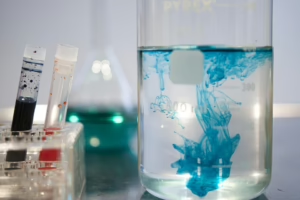





Add Comment