










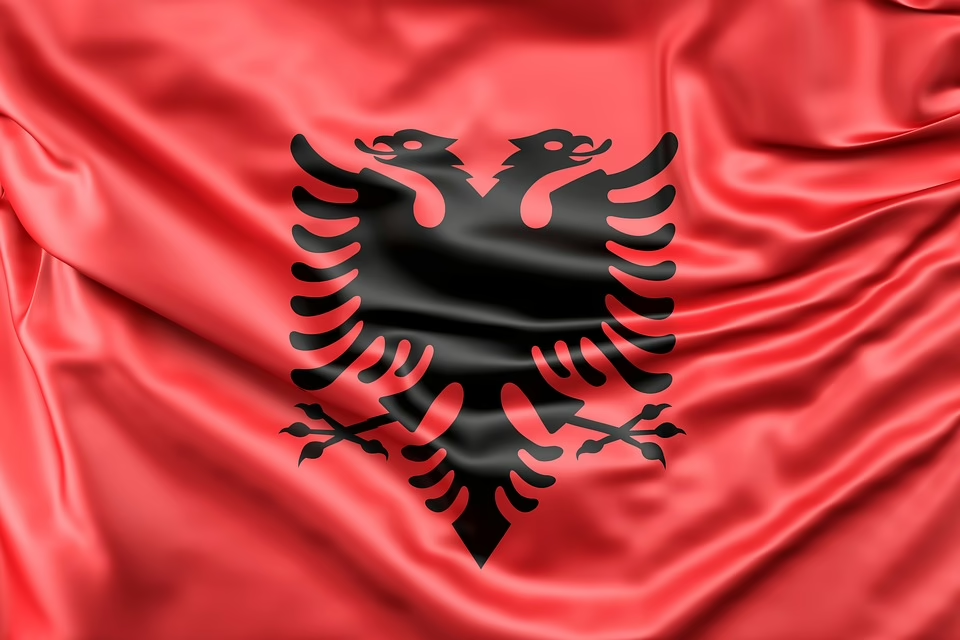

Unpacking the Meaning of ‘Albanian’: Culture, History, and Identity
Exploring the Complexities of Albanian Identity and Heritage
Albania is a country steeped in rich history and diverse cultural influences. The term ‘Albanian’ encompasses a myriad of meanings that reflect the nation’s multifaceted identity. From its ancient roots to the modern-day realities, understanding what it means to be Albanian requires a deep dive into the language, traditions, and historical narratives that shape the Albanian sense of self. This article aims to uncover the various layers of Albanian identity, exploring the cultural, historical, and socio-political factors that contribute to this understanding.
The Historical Context of Albanian Identity
Tracing the Roots of the Albanian People
The history of Albania dates back thousands of years, with a blend of Illyrian, Thracian, and later Roman influences that have significantly shaped the people’s identity. The Illyrians are considered the ancestors of modern Albanians, and their territory encompassed a large part of the Western Balkans. Understanding this ancient lineage is critical in grasping the identity of Albanians today.
The fall of the Roman Empire saw Albania become a battleground for various empires, including the Byzantine and Ottoman Empires. Each historical period brought different social, political, and cultural influences that contributed to the evolving Albanian identity. The Ottoman rule, spanning almost five centuries, played a significant role in shaping the modern Albanian state and its identity through the introduction of Islam and a feudal system that altered social structures.
As Albania transitioned into the 20th century, pivotal moments like the League of Prizren (1878) and the declaration of independence in 1912 signified the nation’s struggle for autonomy and the unification of Albanian territories. These events are crucial in understanding the modern conception of being Albanian and the ongoing quests for national identity and unity.
Language: A Key Component of Albanian Identity
The Significance of Albanian Language in Cultural Heritage
Language serves as a cornerstone of culture and identity, and the Albanian language is no exception. It is an Indo-European language that has evolved over centuries, showcasing the distinct characteristics of the Albanian people. The language is categorized into two main dialects: Gheg in the north and Tosk in the south. This linguistic division reflects regional differences and historical developments within Albania.
Albanian has a rich literary heritage, with roots in oral traditions that date back to the medieval period. The emergence of literary works, such as those by the national hero Gjergj Kastrioti (Skanderbeg), played a vital role in fostering a sense of national identity. Furthermore, the establishment of literary societies in the late 19th and early 20th centuries marked an important moment in the Albanian cultural renaissance, aiding the development of a unified Albanian language standard.
In contemporary Albania, language continues to be a unifying force and a symbol of national pride. Its preservation and promotion are vital for cultural identity, especially in the context of globalization and the diaspora. For Albanians living abroad, the language serves as a bridge to their roots and allows them to maintain a connection to their cultural heritage.
The Role of Religion in Shaping Albanian Identity
A Tapestry of Beliefs: Christianity and Islam in Albania
Religion has played a significant role in shaping the Albanian identity, which is defined by a unique blend of both Islam and Christianity. The long-standing Ottoman influence established Islam as a prominent faith in Albania, making it one of the few Muslim-majority countries in Europe. However, Christianity, including both Orthodox and Catholic traditions, has deep historical roots in the region dating back to early Roman times.
This religious plurality has fostered a spirit of tolerance and coexistence rarely seen in the Balkans. Albanians often identify themselves primarily by their familial or national ties rather than strictly by their religious affiliations. During the 20th century, especially under the communist regime, Albania was declared the world’s first atheist state, which further complicated religious identity by promoting secularism and discouraging religious practices.
Today, Albania is portrayed as a secular state where individuals celebrate their diverse religious backgrounds. This coexistence is a central part of the Albanian identity and serves as a model for understanding the complexities of national identity in a multi-religious society.
Albanian Culture: Traditions, Art, and Music
A Rich Tapestry of Cultural Practices and Expressions
Albanian culture is a rich amalgamation of ancient traditions and modern influences that reflect the country’s diverse history. The culture encompasses various aspects, including folk traditions, dance, music, and cuisine. Folklore plays a considerable role in Albanian life, with stories and songs that convey the nation’s heroic history and moral values.
Traditional music, including the polyphonic singing of the south, holds a special place in cultural expressions, with its UNESCO recognition showcasing its importance. Music and dance are integral to celebrations, weddings, and festivals, reinforcing communal bonds and national pride.
Moreover, traditional crafts such as weaving, embroidery, and silversmithing showcase the artistic skills passed down through generations. These artistic expressions are not merely decorative; they tell stories of cultural significance, identity, and community.
In contemporary Albania, the arts continue to flourish, with a burgeoning scene that includes literature, theatre, and visual arts. Young artists are increasingly exploring themes of identity, memory, and diaspora, pushing the boundaries of traditional expressions to incorporate modern influences and perspectives.
The Albanian Diaspora and Its Influence on Identity
Connection, Displacement, and National Identity
The Albanian diaspora plays an essential role in the ongoing story of Albanian identity. Waves of emigration over the past century have led to the establishment of significant Albanian communities across Europe, North America, and Australia. This diaspora often grapples with issues of identity and belonging, as individuals navigate their Albanian heritage while integrating into new cultural landscapes.
For many in the diaspora, maintaining a connection to their roots becomes a vital part of their identity. Cultural associations, language schools, and traditional festivities help bridge the gap between the homeland and the countries they now inhabit. This phenomenon is particularly evident in areas with large Albanian populations, such as the United States and Italy, where cultural identity thrives despite geographical distances.
Furthermore, the Albanian diaspora actively contributes to the economy, culture, and politics of their host countries while also influencing the cultural landscape back home. Remittances support local economies, and returning migrants often bring new ideas and perspectives that enrich Albanian society.
Understanding the dynamics of the diaspora provides a nuanced view of how identity evolves over time and across borders, highlighting the complexities of belonging and cultural continuity in an era of globalization.
Contemporary Albanian Identity: Challenges and Opportunities
Navigating Modernity and Tradition
As with many nations, contemporary Albania faces various challenges and opportunities in defining its national identity. Globalization, migration, and technological advancements present both threats and avenues for growth. The younger generation, equipped with modern educational experiences and exposure to global culture, often grapples with balancing tradition and modern identity.
Issues such as economic development, political stability, and EU integration are pivotal in shaping contemporary Albanian identity. In striving for a cohesive national identity, there are ongoing discussions regarding the preservation of cultural heritage amidst rapid modernization.
Moreover, national pride is increasingly being expressed through various platforms, from cultural festivals to international sports. Albanians are finding innovative ways to celebrate their heritage while engaging with global conversations about identity, social issues, and cultural representation.
The journey of defining what it means to be ‘Albanian’ is ongoing and ever-evolving. By embracing their rich history and diverse cultural landscape, Albanians continue to explore and articulate their national identity in a dynamic world, ensuring that their unique heritage remains a vital part of their narrative.
Conclusion: The Future of Albanian Identity
Albanian identity is a tapestry woven from millennia of history, culture, and shared experiences. The struggles and triumphs of the past have laid the groundwork for a complex and evolving understanding of what it means to be Albanian. As Albania continues to navigate the challenges of modernity and globalization, the interplay between tradition and contemporary expressions of identity will remain at the forefront of the national narrative.
Looking forward, the resilience of the Albanian spirit signifies a promising future. By fostering inclusivity, cultural preservation, and pride in their heritage, Albanians are poised to engage with the world while remaining true to their roots. The journey of unpacking Albanian national identity is far from complete, yet it offers rich insights into the dynamics of culture, history, and the human experience.
This article explores the essential elements that collectively contribute to the rich and diverse identity of the Albanian people. It highlights the intricate relationship between history, language, religion, culture, and the diaspora, illustrating how these components interact and evolve over time.






Add Comment