













Color Your Plate: The Art of Food Drawing and Its Nutritional Benefits
Introduction: The Intersection of Art and Nutrition
In a world where visual appeal significantly influences our choices, the fusion of art and nutrition opens a new door to understanding food. The practice of food drawing not only helps individuals appreciate the aesthetics of what they consume but also encourages healthier eating habits. This article will delve deeply into the art of food drawing—its historical contexts, techniques, and health benefits—while embedding the knowledge of how this artistic expression correlates with improved nutrition, leading toward a colorful, healthy plate.
The Historical Context of Food Art: From Ancient Cultures to Modern Times
Food drawing has a rich history that traverses various cultures and epochs. From the detailed depictions of fruits and vegetables in ancient Egyptian tombs to the vibrant illustrations found in medieval manuscripts, the portrayal of food has always captivated human imagination. Artistic endeavors have not only represented food but have also contributed to its cultural significance and nutritional understanding. The Renaissance period witnessed a surge in botanical illustrations that captured the intricate details of edible plants, fostering a deeper appreciation for nature’s bounty. This historical journey sets the foundation for our contemporary understanding of food art, revealing its evolution and importance in nurturing a balanced diet and healthier lifestyle.
Tools and Techniques: Essentials for Capturing Food’s Beauty
Creating food art involves a variety of tools and techniques that cater to different artistic skills and preferences. Essential supplies include pencils, watercolors, colored pencils, or digital graphics tools. The techniques vary from the realistic portrayal of food items to whimsical interpretations, allowing artists to express their vision uniquely. A notable technique is using watercolors to create vibrant, fluid representations of fruits and vegetables, which can help highlight their textures and colors. Conversely, sketching with pencils allows for detailed note-taking on nutritional values alongside the imagery. Understanding these tools and techniques can serve not only as a means of expression but also as a powerful educational resource for promoting healthier eating habits.
The Psychological Benefits of Food Drawing: Enhancing Mindfulness and Creativity
Engaging in food drawing offers significant psychological benefits that promote mindfulness and enhance creativity. The act of sketching or painting food allows individuals to slow down, fostering a sense of presence and appreciation for their surroundings. This creative practice encourages individuals to connect with their food, enhancing their awareness of ingredients and textures. Research indicates that engaging in art can reduce stress and anxiety, leading to a healthier mindset toward eating. By immersing oneself in the colors and forms of food, artists often develop a more profound respect for the nourishment they provide, which can translate into healthier food choices in daily life.
Nutritional Awareness: Understanding Food Through Art
The visual representation of food serves as an educational tool for understanding nutrition. Drawing fruits, vegetables, and whole grains enables individuals to explore their nutritional content creatively. By illustrating a colorful plate filled with diverse food items, artists can emphasize the importance of variety in a well-balanced diet. For instance, depicting a rainbow of produce showcases the different vitamins and minerals each color offers—green for iron, orange for vitamin C, and so forth. This artistic approach not only engages aspiring artists but can also serve as a valuable lesson about the importance of macronutrients and micronutrients, encouraging better food choices based on knowledge rather than habit.
The Role of Color in Nutrition: Why Variety Matters
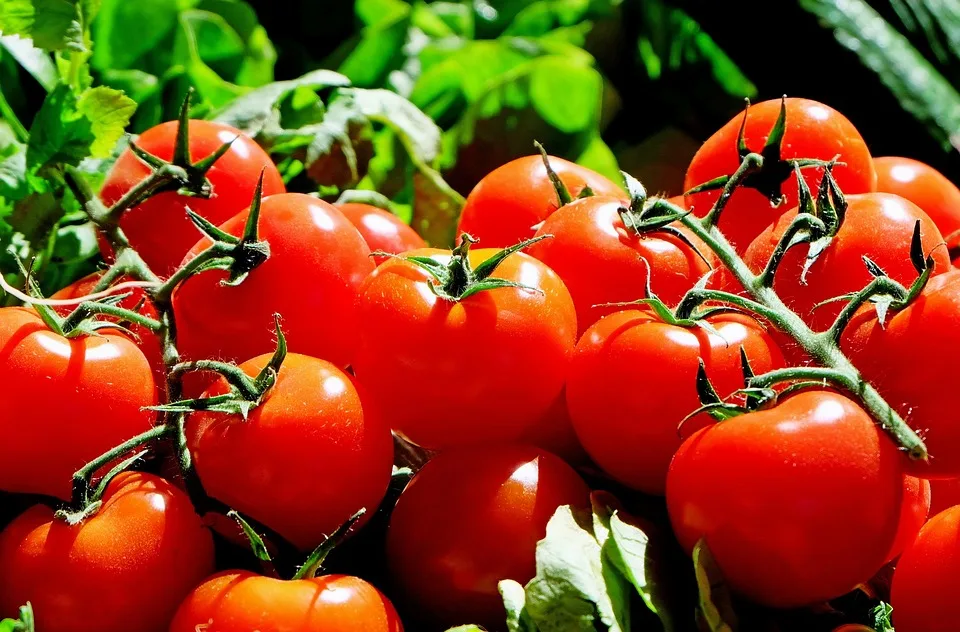
One of the essential aspects of food drawing is the representation of color, which directly correlates to nutritional benefits. Each color in fruits and vegetables signifies specific nutrients, health benefits, and antioxidants that contribute to overall wellness. For example, red foods like tomatoes are rich in lycopene, linked with heart health, while dark green foods like spinach are packed with vitamins A and K. A diet rich in colorful foods not only excites the palate but also ensures a wide range of nutrients. The practice of color-coding foods can serve as a powerful reminder to individuals that a diverse plate leads to a balanced intake of essential nutrients.
Food Drawing for Children: Inspiring Healthy Eating Habits
Introducing children to food drawing can be an effective tool for instilling healthy eating habits early in life. By encouraging them to draw their favorite fruits and vegetables, parents and educators can foster curiosity about these foods. This engagement transforms the eating experience into a multifaceted activity that blends creativity and nutrition. Moreover, when children participate in food art, they are more likely to try new foods and appreciate their flavors and textures. Programs in schools that incorporate food drawing into their curriculum can help children build lifelong habits that favor nutritious, colorful foods over processed options.
Community Engagement: Food Drawing as a Social Activity
Food drawing transcends individual practice; it can also serve as a communal activity that brings people together. Workshops centered around food art can be designed for families, friends, or community groups to foster social interaction and shared experiences. These gatherings not only promote creativity but also encourage nutritious eating habits by sharing recipes and discussing the health benefits of various foods. Engaging with others in a supportive environment can uplift participants’ spirits and inspire positive dietary changes. Community events that showcase local produce and allow for food drawing can cultivate a deeper connection between people and their food sources.
The Digital Age of Food Drawing: Utilizing Technology for Healthy Eating Promotion
The rise of technology has reshaped the landscape of food drawing, allowing artists to explore new mediums and reach broader audiences. Digital platforms enable food artists to share their work instantly, spreading awareness about the importance of nutrition and healthy eating. Social media channels can serve as powerful tools for disseminating artistic representations of food, inspiring others to adopt healthier habits. Digital drawing applications also provide resources for virtual workshops that teach food drawing, making art accessible to individuals who may not have traditional art supplies. By harnessing technology, food artists can promote nutritional awareness on a global scale.
Integrating Food Drawing into Meal Planning: A Creative Approach to Nutrition
Meal planning can often feel monotonous, but incorporating food drawing can re-energize the process. By visually representing meals through art, individuals can create a colorful map of their dietary choices for the week. Sketching a plate full of colorful foods aids in visualizing what a balanced meal looks like, ultimately promoting healthier choices. This method can also increase excitement around meal preparation, encouraging individuals to experiment with recipes and ingredients. Using food drawing can transform the act of planning meals into an enjoyable, creative experience that reinforces nutritional awareness.
Conclusion: The Lasting Impact of Colorful Plates on Health and Wellness
In conclusion, the art of food drawing serves as a multifaceted approach to understanding and appreciating nutrition. By creatively representing food, individuals can cultivate a sense of mindfulness and awareness regarding their dietary choices. From historical contexts to modern-day practices, food art embodies a rich tradition that highlights the importance of colorful, diverse plates for optimal health. Encouraging creativity in relation to food can instill lifelong habits that prioritize nutrition, leading to healthier, more fulfilling lives. Ultimately, coloring your plate is not just an artistic endeavor but a pathway to better health and wellness.
Footnotes
- [1] Historical significance of food in art.
- [2] Importance of color in nutrition.
- [3] Psychological effects of engaging in art.
- [4] Impact of community activities on healthy eating.
- [5] The role of technology in promoting art and nutrition.
This article serves as an explorative guide for anyone interested in marrying art and nutrition, encouraging readers to engage creatively with their food in ways that promote health and well-being.








Add Comment